Mongolia Travel Blog
Mongolia Tour Packages That Fit How You Travel
Compare Mongolia tour packages by season, comfort, pace, and purpose, with practical advice for choosing a journey that feels truly personal in Mongolia.
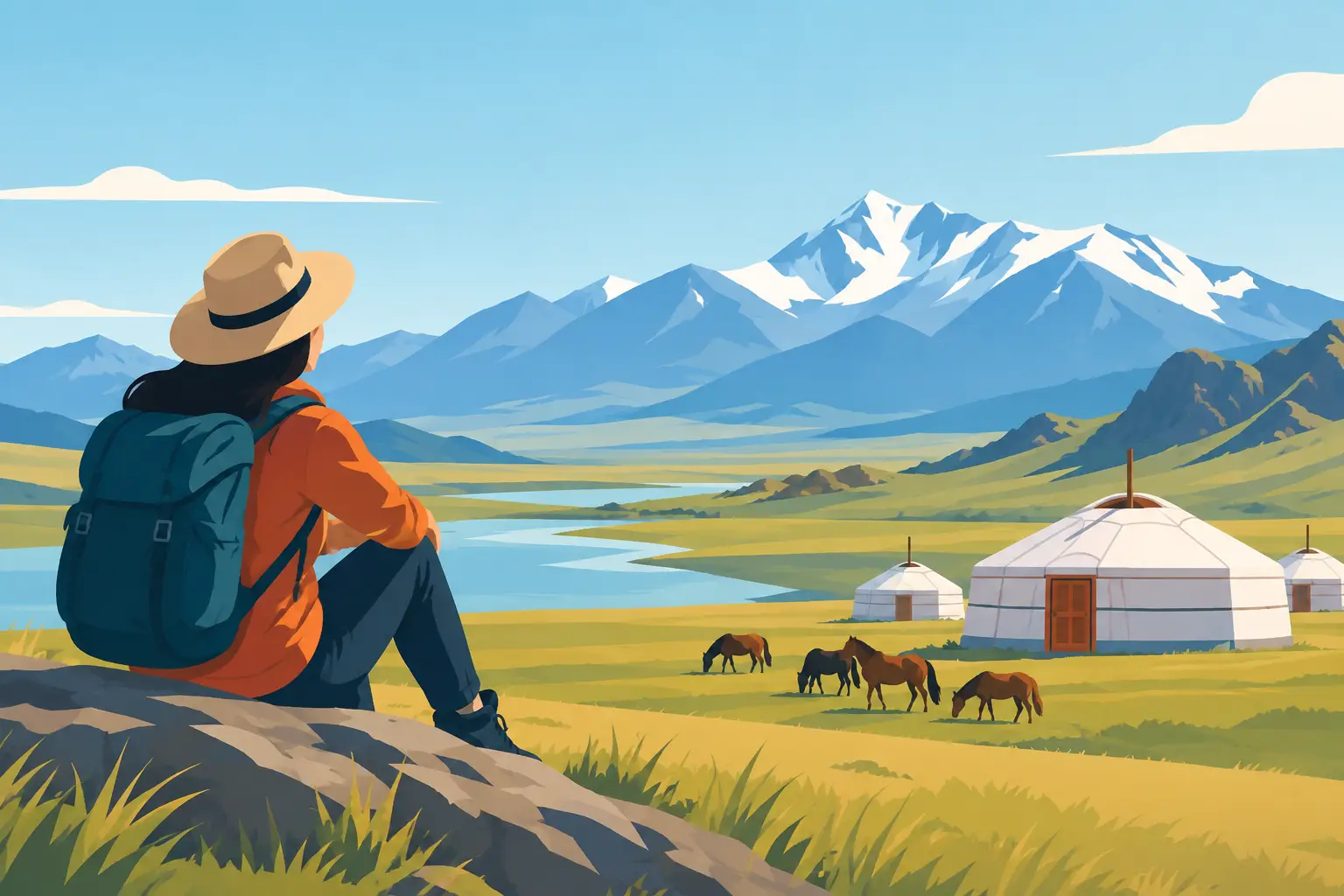
The best Mongolia tour packages do more than connect famous places on a map. They create enough time for the Gobi's silence, a welcome inside a family ger, a changing sky over the steppe, and the reality of traveling across a vast country with few paved roads. Choosing well starts with an honest question: what do you want Mongolia to feel like?
For some travelers, it is a small-group journey through the Gobi Desert and central Mongolia, sharing long road days and campfire conversations. For others, it is a private route built around photography, horse riding, family travel, or a festival in the western Altai. The right journey balances ambition with a pace that lets the nomadic heartland feel lived in rather than simply passed through.
What Should Mongolia Tour Packages Include?
A thoughtfully designed itinerary should make Mongolia's distances workable without turning every day into a race. This is especially important outside Ulaanbaatar, where routes may cross open grassland, mountain passes, river valleys, and unpaved tracks. A journey that looks short on a map can take most of a day, depending on weather, road conditions, and stops along the way.
At a minimum, look for clear information about transport, accommodation, guiding, meals, and the level of camping or ger-camp comfort involved. Mongolia is adventurous, but it should not be mysterious before you arrive. A local operator should explain how often you will drive, where facilities may be simple, and when flexibility is necessary.
The strongest itineraries also leave room for the unplanned moments that make a journey memorable: stopping to watch a herd move across the steppe, accepting milk tea from a host family, or waiting for evening light at the Flaming Cliffs. These are not staged attractions. They depend on respectful timing, local relationships, and guides who understand when to pause.
Small Group or Private Journey?
Small-group tours suit travelers who enjoy sharing the experience with a limited number of like-minded people. They offer a sociable rhythm and can work particularly well for classic summer routes, Naadam Festival travel, and wider Gobi Desert journeys. The itinerary is set, which makes planning straightforward, although there is naturally less flexibility around departure dates and daily timing.
A tailor-made private journey offers more control. It can slow down for photographers, build in easier walking days for families, focus on riding or wildlife, or include a higher level of comfort where available. Private travel is also a sensible choice if a festival, special interest, or a short travel window is central to your plans. It does not have to mean excessive luxury. Often, it simply means a route built around your priorities.
Choose a Route by Season, Not Just by Destination
Mongolia changes dramatically through the year. A package that is ideal in July may be entirely unsuitable in January, and the same region can offer very different landscapes, activities, and travel conditions.
Summer, generally from June through August, is the broadest season for first-time visitors. The steppe is green, ger camps are open, and many regions are accessible. It is a natural time for Gobi Desert travel, Khuvsgul Lake, central Mongolia, horse riding, and Naadam Festival journeys. July brings the country's best-known celebrations, but it is also a busier period for domestic travel and popular camps. Early planning helps secure preferred routes and accommodation.
September is one of Mongolia's most rewarding months for travelers who prefer clearer air, golden grasslands, and fewer visitors on the road. It is also the key period for Golden Eagle Festival and Sagsai Eagle Festival travel in western Mongolia. The Altai Mountains offer immense photographic landscapes, but the journey requires patience. Western Mongolia is remote, and internal flights, road transfers, and weather all deserve realistic planning.
Winter is for travelers drawn to stillness, stark beauty, and genuine cold. The Darkhad Valley, northern taiga communities, and frozen landscapes can be extraordinary, yet winter travel is not simply a summer itinerary with extra layers. Temperatures can fall far below freezing, daylight is shorter, and reliable vehicles, experienced local crews, and appropriate clothing become fundamental. Comfort takes a different form: a warm ger, a capable driver, a thermos of tea, and a team prepared for changing conditions.
Spring can bring wind and variable weather, while late autumn has limited tourism infrastructure in some regions. These seasons can still suit private travelers with flexible expectations, particularly those seeking quieter landscapes rather than a full menu of activities.
Match the Pace to Mongolia's Real Distances
A common planning mistake is trying to fit the Gobi, Khuvsgul Lake, the Altai Mountains, Karakorum, and a major festival into one short trip. Mongolia is not a destination to tick off at high speed. A better package usually chooses one main region, then adds complementary experiences along a logical route.
For a first journey of around 10 to 14 days, central Mongolia and the Gobi Desert make a satisfying combination. You can move from ancient monastery landscapes and open grasslands to the dunes of Khongoryn Els, Yolyn Am gorge, and wide desert valleys. It offers contrast without requiring the logistical leap to the far west or deep north.
Travelers with more time can consider an extended western Mongolia route, a northern lake and taiga journey, or a dedicated photography expedition. If you have only a week, resist the temptation to cross the country. A well-paced private route near Ulaanbaatar and central Mongolia, or a focused fly-in Gobi journey where appropriate, will usually feel more rewarding than long days spent chasing distance.
Accommodation Is Part of the Experience
Mongolia's ger camps are often central to the journey, not merely a place to sleep. A traditional ger is round, warm, and practical, with beds arranged around a stove. Facilities vary considerably. Many established camps provide separate shower and toilet blocks, restaurant gers, and comfortable beds, while more remote areas may have simpler arrangements.
Ask whether the itinerary uses established tourist ger camps, family stays, tents, hotels, or a mixture. Each has a different character. A family ger stay can offer a closer view of daily nomadic life, but it requires sensitivity and flexibility around facilities. Remote camping provides access to places without camps, particularly in the Altai or along specialist photography routes, but it involves a more expedition-style setup.
In Ulaanbaatar, a comfortable hotel is usually valuable at the beginning or end of a trip. It gives you time to rest after international flights, organize gear, and enjoy a proper shower before heading into the countryside.
Look for Cultural Respect, Not Performances
Nomadic hospitality is generous, but it is not a product. Responsible Mongolia tour packages should approach family visits with care, use local guides who can interpret customs, and avoid treating homes as open sets for photography.
Small gestures matter. Accept food or tea when you comfortably can, use your right hand or both hands when receiving something, and wait for guidance before photographing people or entering a ger. Do not step on a threshold, and avoid pointing your feet toward the family altar or hearth. Your guide can help with etiquette, translation, and the right timing for questions.
Photography deserves particular consideration. Mongolia offers striking portraits, working herders, eagles, horses, dunes, and vast skies, but asking permission is essential. During festivals, a specialist photography journey can create more time for early light, quieter locations, and respectful access, rather than trying to make serious images between rushed sightseeing stops.
Questions Worth Asking Before You Book
Before deciding, ask how many hours of driving are planned on the longest days, what happens if weather affects a flight or route, and who leads the journey once you are outside the capital. Ask whether you will have a Mongolian guide, an English-speaking guide where needed, and a dedicated driver or shared transport arrangement.
It is also wise to discuss dietary needs, fitness expectations, luggage limits on domestic flights, and what clothing is appropriate for the season. A responsible operator will answer plainly rather than promising that every part of Mongolia is easy or predictable. From our experience operating tours in Mongolia, clear expectations are one of the best foundations for a relaxed and meaningful trip.
Nomadic of the Blue Sky designs small-group and tailor-made journeys around this principle: practical logistics should support the experience, not overshadow it. Whether your interest lies in the Gobi, the Eternal Blue Sky above the Altai, a Naadam wrestling ground, or a quiet morning beside Khuvsgul Lake, give the journey enough space to unfold. Mongolia is at its most powerful when you are not hurrying past it.
Plan Your Mongolia Journey
Explore locally operated tours or ask our Mongolia team to tailor a private journey.