Mongolia Travel Blog
What a Darkhad Valley Winter Expedition Feels Like
Plan a Darkhad Valley winter expedition with reindeer herders, frozen landscapes, expert local guides, and practical advice for Mongolia's extreme cold.
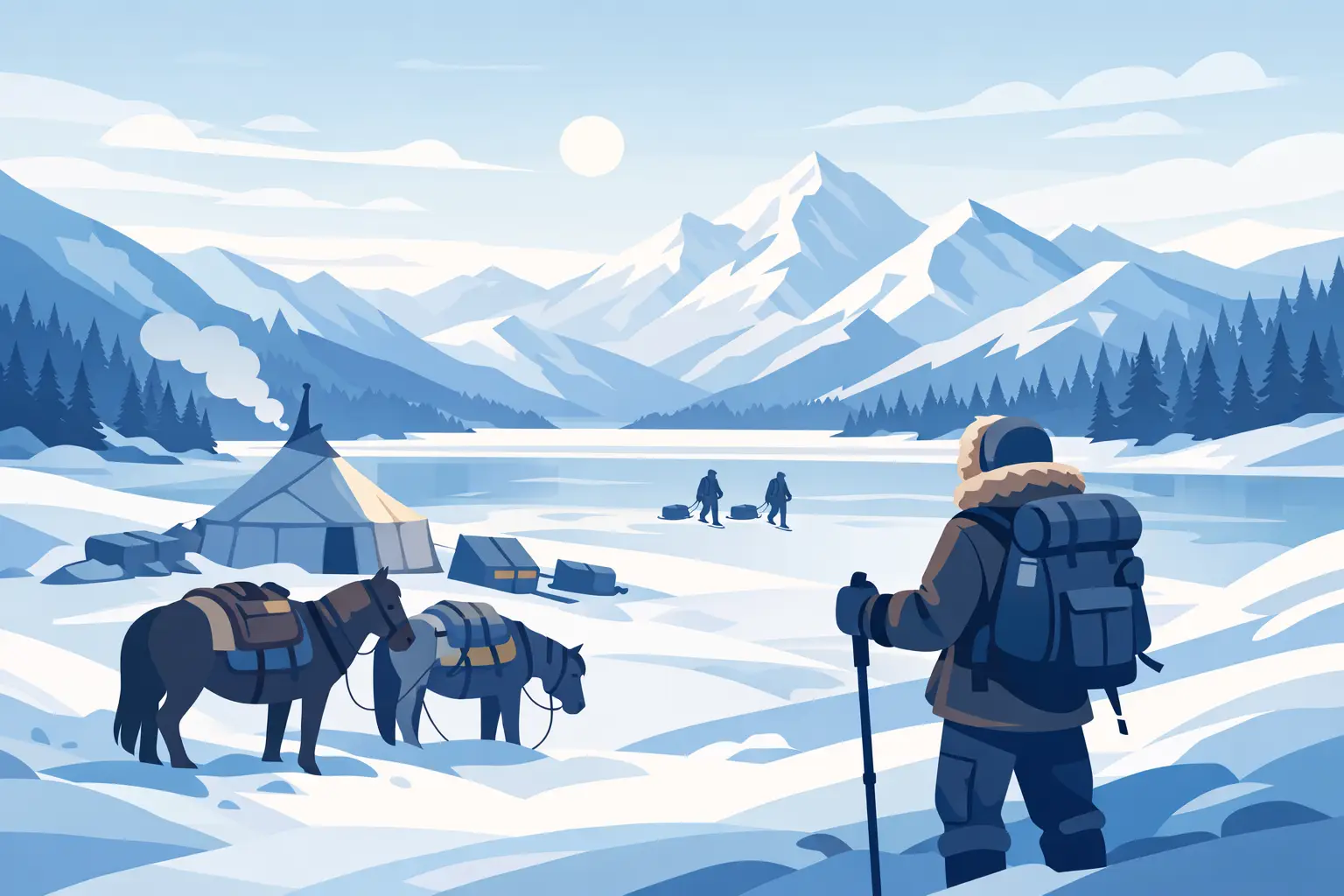
A Darkhad Valley winter expedition begins where the familiar idea of travel ends. Roads narrow beneath packed snow, smoke rises from distant gers, and the silence of northern Mongolia feels almost physical. This is a journey into one of the country’s most remote and culturally rich regions, where winter brings both extraordinary beauty and real demands.
For travelers drawn to Mongolia’s nomadic heartland, the Darkhad Depression offers something rare: a chance to travel through a vast white landscape, meet reindeer-herding families when circumstances allow, and experience daily life shaped by weather, animals, and the rhythm of the season. It is not a trip designed around rushing from sight to sight. It is an expedition that rewards patience, preparation, and curiosity.
Why Winter Changes the Darkhad Valley
The Darkhad Valley lies in northern Mongolia, close to the forests and mountains of the Khuvsgul region. In summer, its broad valleys are green with grass and alive with herding activity. In winter, the landscape transforms into a world of frozen rivers, snow-covered taiga, and long blue-shadowed afternoons beneath the Eternal Blue Sky.
Cold is not a backdrop here. It shapes every decision. Temperatures can fall well below zero, vehicles need careful winter preparation, and travel times depend on snow, ice, and local conditions. Yet this same intensity is what gives the journey its character. There are few visitors, the air is remarkably clear, and the sense of distance from ordinary life is profound.
Winter also brings a more intimate view of nomadic resilience. Families continue caring for livestock, maintaining warm homes, preparing food, and moving through a landscape that outsiders may see as inhospitable. A respectful visit offers perspective, not performance. The most meaningful moments are often simple: warming your hands beside a stove, sharing milk tea, listening to a guide translate a family story, or watching horses move across a silent valley.
The Route Is Part of the Expedition
Reaching the Darkhad Valley takes commitment. Most journeys begin with travel north from Ulaanbaatar, usually combining flights or long overland sections with carefully planned vehicle transfers. In winter, a fixed schedule matters less than sound judgment. Snow conditions, local advice, daylight hours, and the well-being of the group all influence the day’s route.
A well-organized expedition uses experienced Mongolian drivers, reliable four-wheel-drive vehicles, winter fuel planning, and guides who understand the region’s practical realities. There may be long drives, bumpy tracks, and nights in local guesthouses or heated gers. Comfort is relative, but it is never ignored: warm sleeping arrangements, nourishing meals, hot drinks, and dependable support make a significant difference after a day in the cold.
Travelers should come ready for flexibility. A river crossing that is straightforward one week may require a different approach the next. A planned visit may need to shift around a family’s herding work or a sudden change in weather. These adjustments are not shortcomings of the journey. They are part of traveling responsibly in a living landscape rather than following a staged itinerary.
Meeting Reindeer Herders With Respect
The reindeer herders of northern Mongolia, often known as Tsaatan or Dukha, are among the region’s best-known communities. Their lives are closely connected to the taiga and to reindeer, which provide transport, milk, and an enduring cultural bond. A visit to a reindeer-herding camp can be a powerful part of a Darkhad Valley winter expedition, but it should never be treated as a guaranteed attraction.
Families may be away from a usual camp, occupied with seasonal work, or simply not in a position to receive visitors. Responsible travel begins with accepting that their privacy and priorities come first. Local guides help arrange visits thoughtfully, communicate expectations, and ensure that travelers understand appropriate behavior.
That means asking before taking photographs, avoiding intrusive questions, listening more than speaking, and recognizing that hospitality is a gift rather than a service. Purchasing locally made handicrafts, when available and fairly offered, can provide more direct support than treating the encounter as a photo stop. Small groups are particularly well suited to these visits because they can arrive quietly and spend time without overwhelming a household.
What the Days Feel Like
No two winter expeditions follow exactly the same rhythm, but days often begin early with a hot breakfast and layers added before stepping outside. The cold can be sharp at sunrise, while the light is often spectacular for photography. Drives may lead through open valley country, along forest edges, or toward settlements where local families continue winter routines.
The pace alternates between motion and stillness. One hour might be spent crossing a broad frozen plain in a 4WD; the next might be spent in a ger, drinking tea while a host tends the stove. When conditions are right, short walks and snowshoe outings provide a closer feeling for the landscape. At night, the sky can be intensely clear, though time outdoors should be managed sensibly in severe temperatures.
For photographers, winter offers clean compositions: frost-covered larch trees, horse tracks in snow, smoke against blue air, and portraits that carry real texture and place. The trade-off is technical. Batteries drain quickly, lenses can fog when brought indoors, and changing equipment in the cold takes care. Keep spare batteries close to your body and use a protective bag when moving between heated interiors and the outdoors.
Preparing for the Cold Without Overpacking
The right clothing is essential, but warmth is more than owning the thickest coat. It comes from a system of layers that allows you to adjust as you move between vehicles, gers, and open ground. Start with moisture-wicking base layers, add insulating wool or fleece, then wear a windproof and insulated outer layer. A long insulated parka is especially useful for standing outside during stops or photography sessions.
Your extremities deserve equal attention. Bring insulated waterproof boots with room for thick socks, warm mittens rather than thin gloves alone, a wool hat that covers the ears, a neck gaiter or balaclava, and hand warmers. Avoid cotton next to the skin because it holds moisture and loses warmth quickly.
A few small habits make a major difference. Drink water even when you do not feel thirsty, carry lip balm and moisturizer for dry air, and protect cameras and phones from rapid temperature changes. Tell your guide promptly if fingers or toes remain numb, or if you feel unusually tired or unwell. This is not a place to prove toughness. Good winter travel is attentive, steady, and well paced.
Who This Journey Suits
This expedition is ideal for travelers who value cultural depth and remote landscapes over predictable hotel-to-hotel touring. It suits adventurous couples, solo travelers joining a small group, photographers, and private groups who want a more personal route through Mongolia’s north. It can also work for active families with older children, provided everyone is prepared for long drives and serious cold.
It may not suit travelers seeking guaranteed wildlife encounters, a packed sightseeing schedule, or consistently high-standard accommodation every night. The reward is different: the privilege of seeing a part of Mongolia in its most elemental season, guided by people who know when to press onward and when to pause.
With more than 15 years of local experience, Nomadic of the Blue Sky plans winter journeys around safety, seasonal knowledge, and respectful connections with host communities. A private itinerary can allow for added flexibility, while a small-group departure brings shared warmth and companionship to the long northern days.
If the idea of stepping into a quiet white valley, far from crowds and close to Mongolia’s living traditions, stays with you, begin planning early. Winter in the Darkhad is demanding, but in capable local hands, it becomes the kind of journey that remains vivid long after the snow has melted.
Plan Your Mongolia Journey
Explore locally operated tours or ask our Mongolia team to tailor a private journey.