Mongolia Travel Blog
How Much Does a Mongolia Tour Cost in 2027?
Mongolia tour cost depends on season, route, group size and comfort. See what shapes your trip price, from the Gobi to festival and winter expeditions too.
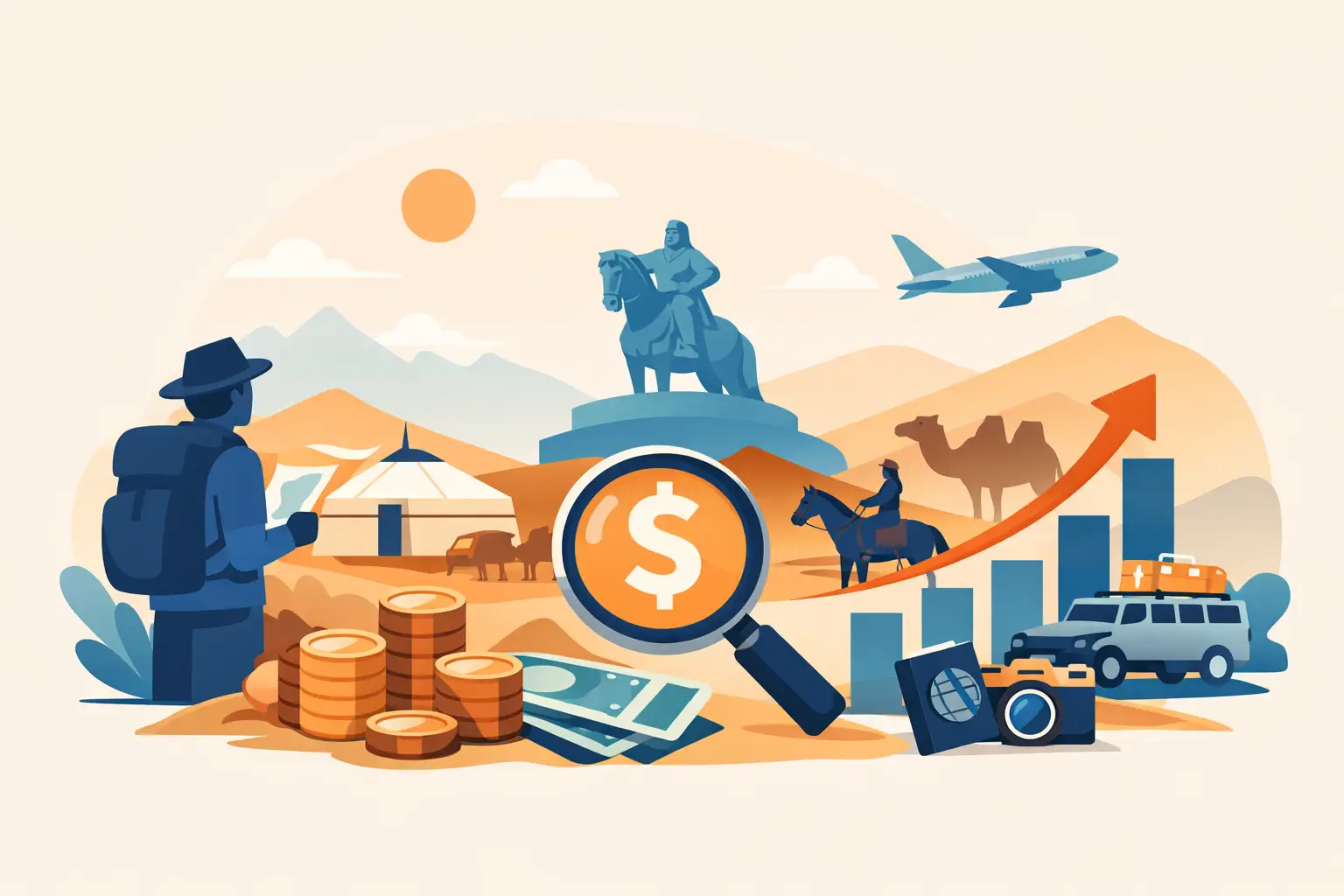
A Mongolia tour cost is shaped less by hotel star ratings than by the realities of traveling across a vast nomadic country. A journey may include long overland drives, a skilled local driver and guide, ger camps far from the nearest town, domestic flights, festival access, and time shared with herding families. The route that looks simple on a map can involve days of careful logistics beneath the Eternal Blue Sky.
That is why the best question is not simply, “What is the cheapest way to see Mongolia?” It is: what kind of experience do you want, and what level of support will make that experience comfortable, safe, and meaningful? A well-planned trip can range from a sociable small-group adventure to a deeply personal private expedition, with the cost reflecting those choices.
What Determines Mongolia Tour Cost?
The largest influence is your itinerary. Mongolia is one of the world’s least densely populated countries, and distances between the Gobi Desert, the Altai Mountains, Khuvsgul Lake, and the northern taiga are substantial. Moving between these regions requires time, fuel, reliable vehicles, and experienced teams who understand seasonal road conditions.
A shorter journey centered on Ulaanbaatar and nearby national parks is generally simpler to operate than a cross-country route through the Gobi, Orkhon Valley, and central steppe. An expedition to meet Tsaatan reindeer herders in the Darkhad Valley, or to reach eagle hunter communities in Bayan-Ulgii, involves more complex transport and local arrangements. These journeys are extraordinary precisely because they go far beyond the usual route.
The number of travelers matters as well. On a small-group tour, vehicle, guide, and operational costs are shared among participants. A tailor-made private journey offers more flexibility - perhaps extra time with a nomadic family, a photography-focused sunrise in the dunes, or a route adjusted for children or older family members - but the same essential services are arranged for fewer people.
Accommodation and comfort also shape the final price. Mongolia offers a memorable range of stays, from traditional ger camps with private bathrooms to simpler family gers where the welcome is warm and the facilities are more basic. In remote regions, comfort is often defined by good planning: a dependable vehicle, a thoughtful camp setup, nourishing meals, and a guide who knows where to find the right stop after a long day on the steppe.
The people behind the journey
A capable Mongolian guide and driver are not incidental details. They are central to an exceptional journey. They read changing weather, manage long-distance travel, explain customs with sensitivity, communicate with host families, and know when a small change in the plan will improve the day.
Responsible operators also build fair local payments into the trip. That can include ger-stay hosting, meals prepared by families, local horse or camel support, community guides, and festival-related services. These arrangements help ensure that authentic encounters bring value to the communities sharing their homeland and traditions.
Season Can Change the Price and the Experience
Mongolia’s travel seasons are distinct, and choosing the right one should be about more than cost alone.
Summer, from June through August, brings open landscapes, green valleys, and Mongolia’s most celebrated cultural event: Naadam. July departures around the festival are in high demand, especially when an itinerary includes the opening ceremony, wrestling, archery, horse racing, and time in the countryside afterward. Availability for well-located accommodations, domestic flights, and experienced guides can become limited, so early planning is wise.
The Gobi is especially rewarding from late spring through early fall. Travelers can walk among the flaming cliffs of Bayanzag, watch the light shift across Khongor Sand Dunes, and stay with camel-herding families. A Gobi route typically requires several days of vehicle support, which is a major factor in the overall tour cost, but it also gives the journey its sense of scale and freedom.
Autumn is the season for Golden Eagle Festival journeys in western Mongolia. The main festival and the more intimate Sagsai Eagle Festival offer remarkable access to Kazakh eagle hunter traditions, mountain landscapes, and powerful photography opportunities. Because western Mongolia is remote and festival departures are limited, these tours require particularly careful advance arrangements.
Winter has a different appeal altogether. Temperatures are serious, roads and accommodation require closer planning, and specialist equipment may be needed. Yet winter expeditions can reveal Mongolia at its most still and intimate: frozen lakes, smoke rising from gers, horse tracks in fresh snow, and journeys toward the reindeer herders of the north. Winter trips may include additional transport planning and support, but they offer an experience that summer travelers rarely see.
What Should a Mongolia Tour Include?
When comparing proposals, look beyond the headline number. A lower quote can leave out the very services that make remote travel run smoothly. Ask for a clear, day-by-day outline of inclusions and exclusions, particularly for routes outside Ulaanbaatar.
A thoughtfully organized tour commonly includes the following:
- Ground transportation appropriate to the route, along with fuel, driver, and vehicle support
- An English-speaking local guide, accommodation, and meals specified in the itinerary
- National park entry fees, planned activities, and local hosting arrangements
- Domestic flights or airport transfers when they are part of the route
International flights, travel insurance, visas where applicable, personal purchases, and some drinks are often separate. Tipping practices vary by group and itinerary, so it is helpful to ask for practical guidance before departure rather than guessing while on the road.
For photography tours, also ask about the pace of the itinerary. The cost may reflect early starts, flexible timing for light and wildlife, extra baggage planning, or access to local specialists. A faster route may cover more ground, but photographers often gain more from unhurried mornings with eagle hunters, herder families, wild horses, or the changing colors of the Gobi.
Small Group or Private Tour: Which Offers Better Value?
Small-group travel is often the strongest value for solo travelers and couples who enjoy sharing the road with like-minded people. It spreads fixed costs while preserving the feeling of an expedition rather than a large organized bus tour. It also brings unexpected advantages: conversations around a camp dinner, a shared celebration during Naadam, and a group of travelers ready to wait patiently for the right wildlife sighting.
Private travel is worth considering when your priorities are flexibility and personal pace. Families may want shorter driving days. A couple may wish to add a few quiet nights at Khuvsgul Lake. A photography group may need to follow the weather rather than a fixed schedule. Private travel costs more per person in many cases, but it can create a journey designed around exactly why you came to Mongolia.
There is no universally better choice. A small group can offer excellent value and companionship, while a private itinerary can make the most of limited time or a highly specific interest.
How to Plan Your Budget With Confidence
Start with your non-negotiables. If attending Naadam, seeing eagle hunters, crossing the Gobi, meeting reindeer herders, or photographing winter landscapes is the reason for your trip, build around it first. Trying to add every region into one short itinerary can increase transport costs while leaving too little time for genuine encounters.
Then decide where comfort matters most. Some travelers prefer private facilities whenever possible; others are happy with simpler ger stays if it means reaching a more remote valley. Both approaches can be rewarding when expectations are clear.
Finally, plan early for signature seasonal departures. This is particularly true for Naadam Festival tours, Golden Eagle Festival tours, Sagsai experiences, and winter expeditions. Early planning does not just help secure space. It gives your Mongolia specialist time to coordinate the right vehicle, guide, domestic flights, and local hosts for the journey you actually want.
The most valuable Mongolia trip is rarely the one that promises the most stops. It is the one that leaves enough room for a herder’s invitation, a sudden herd of horses on the horizon, or an evening in a ger when the stories continue long after the road has ended.
Plan Your Mongolia Journey
Explore locally operated tours or ask our Mongolia team to tailor a private journey.