Mongolia Travel Blog
Mongolia 2027 Travel Outlook for Smart Planning
Mongolia 2027 travel outlook for thoughtful travelers: seasons, festivals, routes, accommodation, and the practical choices that shape a meaningful trip.
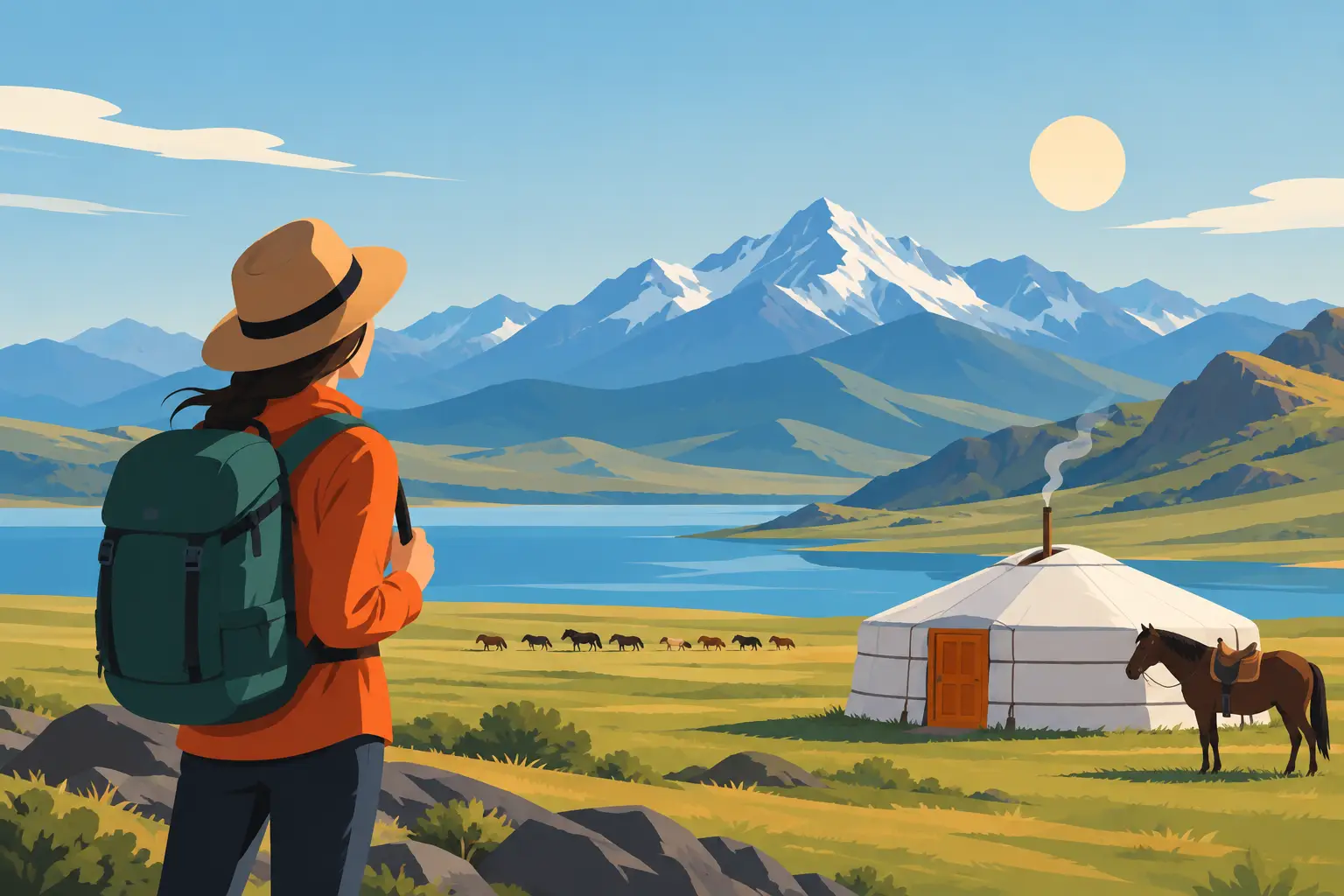
A Mongolia 2027 travel outlook begins with a simple truth: the country rewards travelers who plan around a season and a purpose, not just a list of sights. The Gobi’s open horizons, the Altai’s eagle hunters, the green summer steppe, and the winter silence of the north are not interchangeable experiences. Each asks for a different route, pace, level of comfort, and willingness to spend time on the road.
For travelers considering 2027, Mongolia remains an extraordinary choice for meaningful, experience-led journeys. Its appeal lies in the space between destinations as much as the destinations themselves: a ger camp beneath the Eternal Blue Sky, a family visit in the nomadic heartland, horses moving across a valley at dawn, or a guide explaining the customs behind a shared meal. The most rewarding trips will be those built with realistic expectations and enough time for Mongolia’s distances to unfold.
Mongolia 2027 travel outlook: plan by season
Mongolia’s travel year is defined by sharp seasonal changes. There is no single “best” time for every traveler. Instead, 2027 planning should start with the experience you most want to have.
Summer: wide-open travel and festival energy
June through August is the broadest window for classic Mongolia journeys. The steppe is green, temperatures are generally warmer, and the main network of ger camps is operating. This is the natural season for combining Ulaanbaatar with the Gobi Desert, the Orkhon Valley, Khuvsgul Lake, or central Mongolian landscapes.
July is particularly sought after because of Naadam, Mongolia’s celebrated festival of wrestling, archery, and horse racing. Naadam brings color, ceremony, and powerful photography opportunities, but it also creates higher demand for flights, vehicles, guides, and well-located accommodation. Travelers who want the festival atmosphere without the busiest city days may consider an itinerary that includes a smaller provincial or countryside Naadam, subject to local scheduling.
Summer has trade-offs. Popular departure periods require earlier planning, roads can be dusty or muddy depending on weather, and some routes take longer than the map suggests. Mongolia’s most memorable places are often connected by long drives across open country rather than by paved highways. A good itinerary protects time for stops, weather changes, and the occasional invitation for salty milk tea in a family ger.
Early fall: clear light and the Altai’s cultural season
Late August through September is often one of the finest periods for photographers, couples, and travelers who prefer crisp air to midsummer heat. The landscapes begin to shift toward gold, tourist traffic eases in many regions, and the light can be especially beautiful across the Gobi and central steppe.
It is also the season when many travelers turn west toward Bayan-Ulgii Province and the Altai Mountains for eagle hunter culture and autumn festival journeys. The Golden Eagle Festival and Sagsai Eagle Festival are major draws, but their precise programs, venues, and local arrangements should always be confirmed closer to departure. Festival travel works best when it is not rushed. The journey to western Mongolia is substantial, and the surrounding valleys, Kazakh traditions, and mountain scenery deserve time beyond a single event day.
Winter: a serious, intimate Mongolia
Winter travel is not a softer version of summer Mongolia. It is a distinct expedition season, with intense cold, short daylight, and landscapes of exceptional clarity. For the right traveler, it can be deeply moving: frozen lakes, smoke rising from gers, winter livestock work, and a sense of solitude that summer rarely offers.
A winter journey requires reliable vehicles, specialist equipment, warm accommodation planning, and guides who understand the conditions. Remote northern routes, including journeys toward the Darkhad Valley and Tsaatan communities, should be approached with flexibility. Weather, trail conditions, and community circumstances can shape what is possible. This is precisely why small groups and tailor-made arrangements are often the strongest fit for winter.
Spring: less predictable, often overlooked
Spring is a transition period. The weather can change quickly, winds are common, and some ger camps may not yet be open. It is not the easiest season for a first visit focused on classic comfort, but it can suit travelers seeking quieter landscapes, birdlife, and a more unvarnished view of rural Mongolia. The itinerary needs to be particularly practical, with dependable accommodation alternatives and reasonable daily driving distances.
What will shape the best 2027 itineraries
The strongest Mongolia journeys in 2027 are likely to favor depth over coverage. Mongolia is vast, and trying to pair the Gobi, Khuvsgul Lake, western Altai, and a major festival in one short trip can turn a remarkable country into a series of transfers. Internal flights can save time, but they should not be treated as immune to weather or operational changes. Road travel offers freedom and scenery, while asking for patience.
For many first-time visitors, a 10- to 14-day route is enough to combine two regions well. A longer journey can add a third region or allow more time for horse riding, photography, family stays, and unhurried exploration. Private travel is especially valuable for travelers with particular interests, such as wildlife, archaeology, riding experience, or a preferred pace. A small-group expedition is often ideal for those who want shared adventure with logistics already carefully organized.
Accommodation also shapes the experience. In Ulaanbaatar, travelers can choose comfortable hotels and use the city as a practical arrival point. In the countryside, ger camps provide the most established level of comfort in many regions, usually with proper beds and communal or private facilities depending on the camp. Nomadic family stays are more personal and less standardized. They can be a privilege, but travelers should welcome them with humility rather than expect hotel-style privacy or fixed routines.
Festivals, culture, and respectful encounters
Mongolia’s festivals are vivid and photogenic, yet they are living community events rather than performances designed around visitors. At Naadam, horse racing is tied to tradition, family pride, and the lives of young riders. In the Altai, eagle hunting carries deep cultural meaning within Kazakh communities. A thoughtful guide can help travelers understand what they are seeing and when photography is appropriate.
Respectful behavior is uncomplicated but meaningful. Ask before photographing people closely, especially inside a family ger. Accept offered food or drink graciously when possible, use your right hand or both hands when receiving something, and avoid casually stepping over household items or touching a person’s head. Dress for the environment while remaining modest in community settings. Genuine interest, patience, and a few Mongolian greetings go further than trying to stage an encounter.
Responsible travel also means recognizing that rural hospitality has value. Family visits should be arranged with care, not treated as a quick stop for photographs. Choosing local guides, drivers, cooks, camps, and community partners helps ensure that travel benefits the people who make these journeys possible.
Practical decisions to make early
For a 2027 departure, begin by deciding whether your trip is led by landscape, culture, a festival, or a particular activity. That answer determines the season. Next, consider how much driving you will genuinely enjoy. Some travelers find the long cross-country days meditative and exhilarating; others are happier using a domestic flight to preserve time for the destination itself.
Once those choices are clear, secure the elements that have limited availability: festival-period arrangements, internal flights, experienced guides, suitable vehicles, and preferred ger camps. Travelers planning private journeys should discuss dietary needs, mobility considerations, riding ability, photographic priorities, and comfort expectations early. Mongolia can be wonderfully adaptable, but remote logistics work best when they are anticipated rather than improvised.
Travel documents and entry requirements should be checked directly with the appropriate official authorities for your nationality before booking. Bring travel insurance appropriate for remote adventure travel, and pack for temperature swings even in summer. A layered clothing system, sun protection, a refillable water bottle, and a flexible attitude are more useful than excessive gear.
A year for journeys with room to breathe
From our experience as a Mongolia-based operator, the travelers who leave with the richest memories are rarely those who try to see everything. They are the ones who allow time for a delayed herd crossing, an unplanned tea stop, a changing sky over the Gobi, or an extra morning beside a sacred mountain.
Mongolia in 2027 will be best approached as a place to travel with intention. Choose one or two regions, travel in the season that suits them, and leave space for the country’s natural rhythm. That is where an itinerary becomes a genuine journey.
Plan Your Mongolia Journey
Explore locally operated tours or ask our Mongolia team to tailor a private journey.