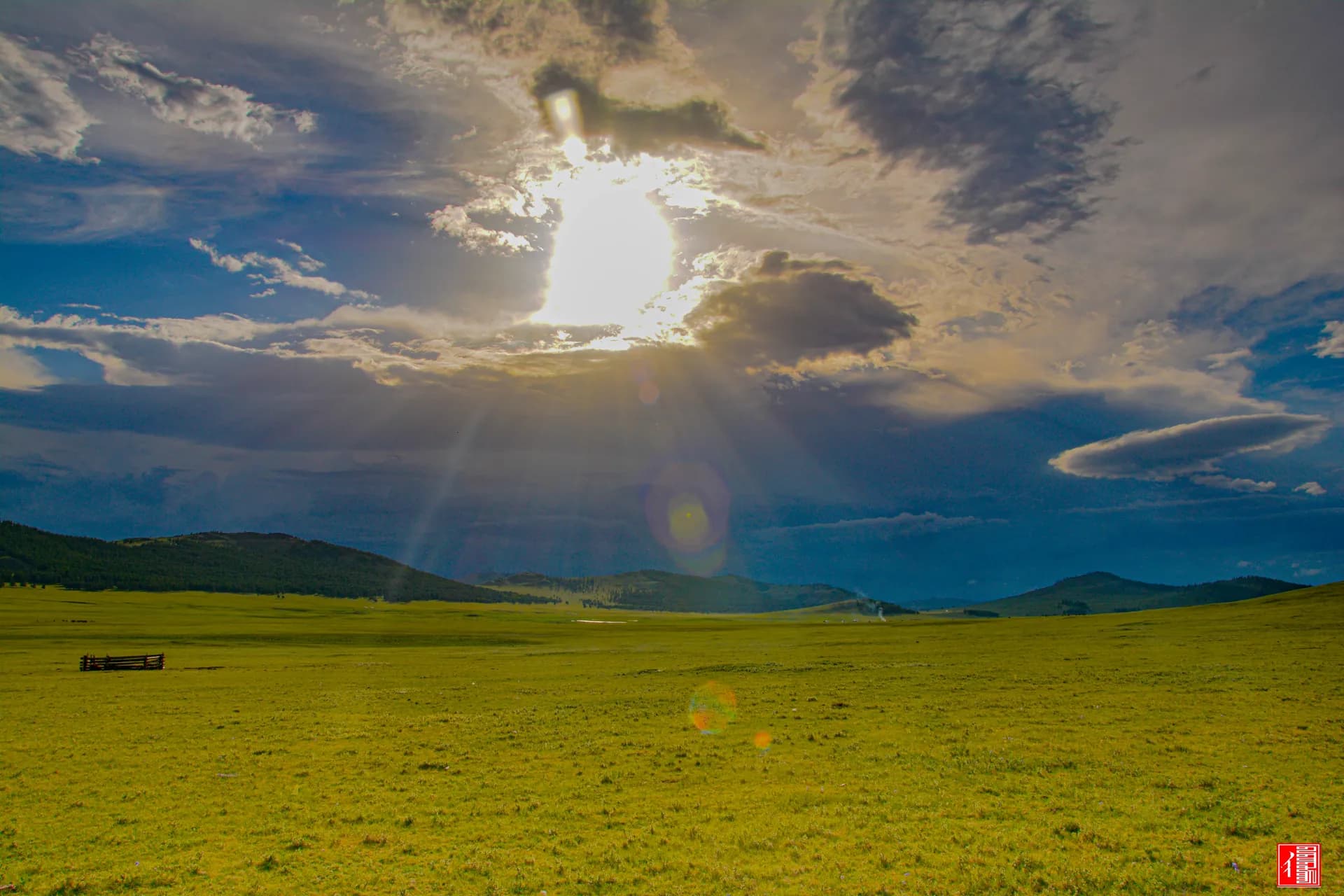
In the Footsteps of Genghis Khan
Follow in the footsteps of Genghis Khan through eastern Mongolia, exploring his birthplace, sacred historic sites, vast steppes, and authentic nomadic life.
Journey into the legendary homeland of Genghis Khan on this immersive 8-day Eastern Mongolia tour, combining the history of the Mongol Empire with authentic nomadic culture and the vast wilderness of Khentii Province.
Travel across endless grasslands, forested mountains and peaceful river valleys to discover some of Mongolia’s most important historical sites connected to the life of Genghis Khan. Visit Khar Zurkhnii Khukh Nuur, traditionally associated with Temujin’s rise as Genghis Khan, explore the remarkable Baldan Bereeven Monastery and mysterious Uglugch Wall, and continue to Deluun Boldog, traditionally regarded as the birthplace of Genghis Khan. The journey also reaches Khuduu Aral, an important historical landscape associated with the early Mongol Empire.
Beyond its history, this journey offers a genuine experience of Mongolia’s nomadic way of life. Meet local nomadic families, discover centuries-old traditions, see horses and livestock roaming freely across the steppe, and experience the extraordinary silence and open landscapes of rural Mongolia.
Far from the country’s busiest tourist routes, In the Footsteps of Genghis Khan is ideal for travelers seeking Mongolian history, authentic cultural encounters, spectacular landscapes and a deeper understanding of the land that shaped one of the world’s greatest empires.
Welcome to Mongolia! Upon arrival at **Chinggis Khaan International Airport**, your local guide will meet you and transfer you to your hotel in Ulaanbaatar, Mongolia’s vibrant capital city. After check-in, the remainder of the day is yours to relax and recover from your journey. Depending on your arrival time, you may explore the nearby area at your own pace or simply rest and prepare for the adventure ahead. During this Mongolia tour, several days will involve longer overland journeys through the country’s vast and remote landscapes. We recommend preparing a small daypack with essentials such as a fully charged camera, power bank, flashlight, comfortable walking shoes, sun protection, and suitable clothing for outdoor activities, including horse and camel riding. Your first evening in Ulaanbaatar offers a chance to settle in and get ready to discover Mongolia’s nomadic culture, spectacular landscapes, and remarkable history.
After breakfast, meet your experienced guide and driver and begin your journey east toward **Khentii Province**, the historic homeland of Genghis Khan. Today you will travel approximately **210 km**, leaving Ulaanbaatar behind as the city gradually gives way to Mongolia’s vast open steppe. Along the way, stop at the impressive **Chinggis Khaan Equestrian Statue**, one of Mongolia’s most recognizable landmarks. Rising 40 meters above the surrounding landscape, this monumental stainless-steel statue depicts Genghis Khan on horseback and offers a striking introduction to the history that will accompany you throughout this journey. Continue through the countryside to **Khar Zurkhnii Khukh Nuur (Blue Lake of the Black Heart)**, a peaceful mountain lake deeply connected with the early history of the Mongol Empire. Khar Zurkhnii Khukh Nuur – Blue Lake of the Black Heart Situated at approximately **1,615 meters above sea level** near Khar Zurkh Mountain, Khar Zurkhnii Khukh Nuur is one of the most historically significant places associated with Genghis Khan. According to Mongolian historical tradition, it was here in **1189** that Temujin was proclaimed **Genghis Khan**, marking a crucial step toward the eventual unification of the Mongol tribes and the rise of the Mongol Empire. The name *Khar Zurkhnii Khukh Nuur* translates approximately as **“Blue Lake of the Black Heart.”** Today, the tranquil lake and surrounding forested landscape provide a remarkable contrast to the world-changing events associated with this remote location. Near the lakeshore stands a historical memorial complex commemorating Genghis Khan and the rulers, family members, and military leaders connected with Mongolia’s imperial history. The complex features numerous wooden and stone carvings, including representations of Genghis Khan, his father **Yesugei**, his mother **Hoelun**, his wife **Börte**, Mongolian rulers, and prominent generals. Informational panels in Mongolian and English introduce visitors to important figures and events in Mongolian history. Spend time exploring the memorial and walking along the peaceful lakeshore before settling in for the evening. Surrounded by forested hills, open countryside, and extraordinary silence, this is an atmospheric place to begin your journey through the homeland of Genghis Khan. **Driving Distance:** Approximately 210 km
After breakfast, continue deeper into **Khentii Province**, traveling through the peaceful valleys, forested mountains, and open steppe of eastern Mongolia. Today’s destination is **Baldan Bereeven Monastery**, one of Mongolia’s most historically significant Buddhist sites and a remarkable place to experience the spiritual heritage of the Khentii region. Hidden among the sacred mountains, the monastery offers a fascinating combination of **Buddhist history, ancient rock carvings, dramatic scenery, and profound silence**. ### Baldan Bereeven Monastery Baldan Bereeven was once one of the largest and most influential Buddhist monastic centers in Mongolia. Its name derives from the Tibetan **Drepung**, meaning “pile of rice,” and the monastery was originally inspired by the great Drepung monastic tradition of Tibet. At its height, Baldan Bereeven was an important center of Buddhist learning and religious life. Much of the original complex was destroyed during the religious purges of the late 1930s, when monasteries throughout Mongolia were closed or demolished. In recent decades, several temples have been restored, while the foundations and ruins of numerous temples, stupas, and other religious structures remain scattered throughout the valley. The monastery is surrounded by the sacred mountains of **Munkh Ulziit, Arvan Gurvan Sansar, Bayan Baraat, and Bayan Khangai**, part of the Khentii mountain range. According to local Buddhist tradition, the surrounding mountains resemble four powerful guardian creatures: **a lion to the east, a dragon to the south, a tiger to the west, and a Garuda to the north**. Behind the monastery rises the dramatic cliff of Munkh Ulziit Mountain. Here you can discover Buddhist rock carvings, sacred inscriptions and mantras, images of Buddhist deities, and a large **Soyombo symbol**, Mongolia’s historic national emblem. Take time to walk through the monastery grounds, explore the ancient ruins and restored temples, and enjoy the extraordinary natural setting. Far from the crowds of Ulaanbaatar, Baldan Bereeven provides an atmospheric glimpse into Mongolia’s Buddhist past and the sacred landscapes of **Genghis Khan’s homeland**.
After breakfast, leave Baldan Bereeven Monastery and continue your journey deeper into the remote landscapes of **Khentii Province**, the historic homeland of Genghis Khan. Travel through forested mountains, broad river valleys, and vast stretches of open steppe toward one of eastern Mongolia’s most intriguing archaeological sites — **Uglugch Wall (Uglugchiin Kherem)**. Far from Mongolia’s main tourist routes, today offers a fascinating combination of wilderness, archaeology, and the mysteries of the country’s ancient past. ### Uglugch Wall – An Ancient Mystery of Khentii Hidden among the forested mountains near **Batshireet soum**, Uglugch Wall is an impressive ancient stone structure built from carefully arranged rocks without the use of mortar. The remains of the wall extend across the rugged landscape, creating one of the most unusual archaeological sites in the Khentii region. The exact origins and purpose of Uglugch Wall remain the subject of archaeological study and historical debate. The surrounding area contains ancient burial sites and other archaeological remains, suggesting that this remote valley was important to the peoples who inhabited eastern Mongolia centuries ago. Walking along the surviving sections of the wall offers a rare opportunity to imagine the civilizations that once moved through this part of Mongolia long before the modern era. Surrounded by dense forest, mountains, and almost complete silence, the site has an atmosphere of mystery that makes it particularly memorable. Beyond its archaeological significance, the journey to Uglugch Wall reveals another side of **Genghis Khan’s homeland** — a remote region where Mongolia’s ancient history remains embedded in an almost untouched natural landscape. Spend time exploring the wall and surrounding area with your guide before settling in for the evening amid the peaceful wilderness of Khentii.
After breakfast, continue through the remote and beautiful landscapes of Khentii Province toward Dadal soum, an area deeply connected with the early life of Genghis Khan. Surrounded by forested hills, rivers, and sweeping grasslands, this region is considered the heartland of the great Mongol leader and provides one of the most meaningful historical experiences of the journey. Today you will visit Deluun Boldog, traditionally recognized as the birthplace of Genghis Khan (Chinggis Khaan). Deluun Boldog – Birthplace of Genghis Khan According to The Secret History of the Mongols, Mongolia’s most important historical chronicle, Temujin — later known to the world as Genghis Khan — was born at Deluun Boldog in the 12th century. Located near Dadal in northeastern Mongolia, Deluun Boldog remains an important historical and symbolic destination for Mongolians. Standing amid the peaceful landscapes of Khentii offers a remarkable opportunity to experience the environment in which Temujin was born and spent part of his early life — long before he united the Mongol tribes and established the Mongol Empire. In 1962, a monument dedicated to Genghis Khan was erected in the area to commemorate the 800th anniversary of his birth. The monument remains one of the key landmarks for visitors following the history and legacy of Genghis Khan through eastern Mongolia. Nearby is Khajuu Bulag, a natural spring traditionally associated with Genghis Khan’s birth. According to local tradition, the newborn Temujin was washed with water from this spring. Visitors can still walk to the spring and taste its fresh water while hearing the stories and traditions that have been passed down through generations. Beyond its historical importance, Dadal is surrounded by some of the most beautiful scenery in northeastern Mongolia — a landscape of forests, rivers, rolling hills, and open steppe that remains far removed from the country's busiest tourist routes. Spend time exploring Deluun Boldog and its surroundings while your guide shares stories about Temujin’s childhood, his family, and the events that eventually led to the rise of Genghis Khan.
After breakfast, continue your historical journey across Khentii Province toward Khuduu Aral, a vast steppe closely associated with Genghis Khan, the early Mongol Empire, and one of Mongolia’s greatest historical works — The Secret History of the Mongols. Today’s journey takes you through the sweeping landscapes of the Kherlen River Valley, following the historical heartland where some of the most important events of the Mongol Empire unfolded. Khuduu Aral – Heartland of the Mongol Empire Khuduu Aral is an extensive steppe covering approximately 600 square kilometers, situated south of Kherlenbayan Ulaan Mountain in the Kherlen River basin. Its broad grasslands and river valleys formed part of an important political and cultural center during the era of Genghis Khan and his successors. The area is closely associated with Avraga, believed to have been the location of an important royal settlement connected with Genghis Khan and the early Mongol rulers. Archaeological discoveries in the region provide fascinating evidence of the political and ceremonial importance this landscape once held. Khuduu Aral is also traditionally associated with The Secret History of the Mongols, the remarkable 13th-century chronicle that records the ancestry, childhood, rise, conquests, and legacy of Genghis Khan, as well as the early history of the Mongol Empire. The Secret History of the Mongols Monument To commemorate this extraordinary historical legacy, a monument dedicated to The Secret History of the Mongols was erected at Khuduu Aral in 1990, marking the 750th anniversary associated with the completion of the chronicle. Today, the monument stands amid the immense open steppe, creating a powerful connection between Mongolia’s written history and the landscape in which many of its events took place. Explore the monument and surrounding historical area with your guide while learning about the origins of The Secret History of the Mongols, the rise of the Mongol Empire, and the significance of Khuduu Aral in Mongolia’s national heritage. More than simply visiting a historical monument, today offers the opportunity to stand within the landscapes where the story of Genghis Khan and the early Mongol Empire was shaped and preserved for future generations.
After breakfast, begin the journey back to Ulaanbaatar, leaving behind the historic landscapes of Khentii Province and the homeland of Genghis Khan. Enjoy the changing scenery along the way as Mongolia’s vast open steppe gradually gives way to the capital city. Upon arrival in Ulaanbaatar, continue with a guided city tour, offering a final glimpse into Mongolia’s fascinating blend of ancient traditions and modern urban life. Depending on the arrival time and local conditions, visit some of the capital’s key landmarks and enjoy time for shopping at carefully selected Mongolian souvenir and cashmere stores. This is an excellent opportunity to find locally made handicrafts, traditional gifts, and Mongolia’s internationally renowned cashmere products. Mongolian National Folklore Performance In the evening, enjoy a memorable traditional Mongolian folklore performance, a fitting cultural finale to your journey through the homeland of Genghis Khan. The performance introduces some of Mongolia’s most distinctive cultural traditions, which may include khöömii (throat singing), morin khuur (horse-head fiddle), traditional long song, folk music, dance, and colorful traditional costumes. After the performance, return to your hotel for a comfortable final night in Ulaanbaatar. From the sacred landscapes of Khentii and the birthplace of Genghis Khan to the ancient sites connected with the Mongol Empire, today brings your historical journey full circle as you return to modern-day Ulaanbaatar.
After breakfast at your hotel, enjoy your final moments in **Ulaanbaatar** before your private transfer to **Chinggis Khaan International Airport** for your departure flight. Your journey through the historic homeland of **Genghis Khan** comes to an end, taking with you unforgettable memories of Mongolia’s vast landscapes, ancient heritage, nomadic culture, and the remarkable places that shaped the history of the Mongol Empire. Thank you for traveling with us. We hope your time in Mongolia has been an inspiring and memorable experience, and we look forward to welcoming you back for another adventure.
Our Mongolia travel team responds within 12 hours.
Planning Your Mongolia Trip
Compare other Mongolia tours, explore private tailor-made travel, or use our local planning guides to choose the right season and travel style.
You Might Also Like
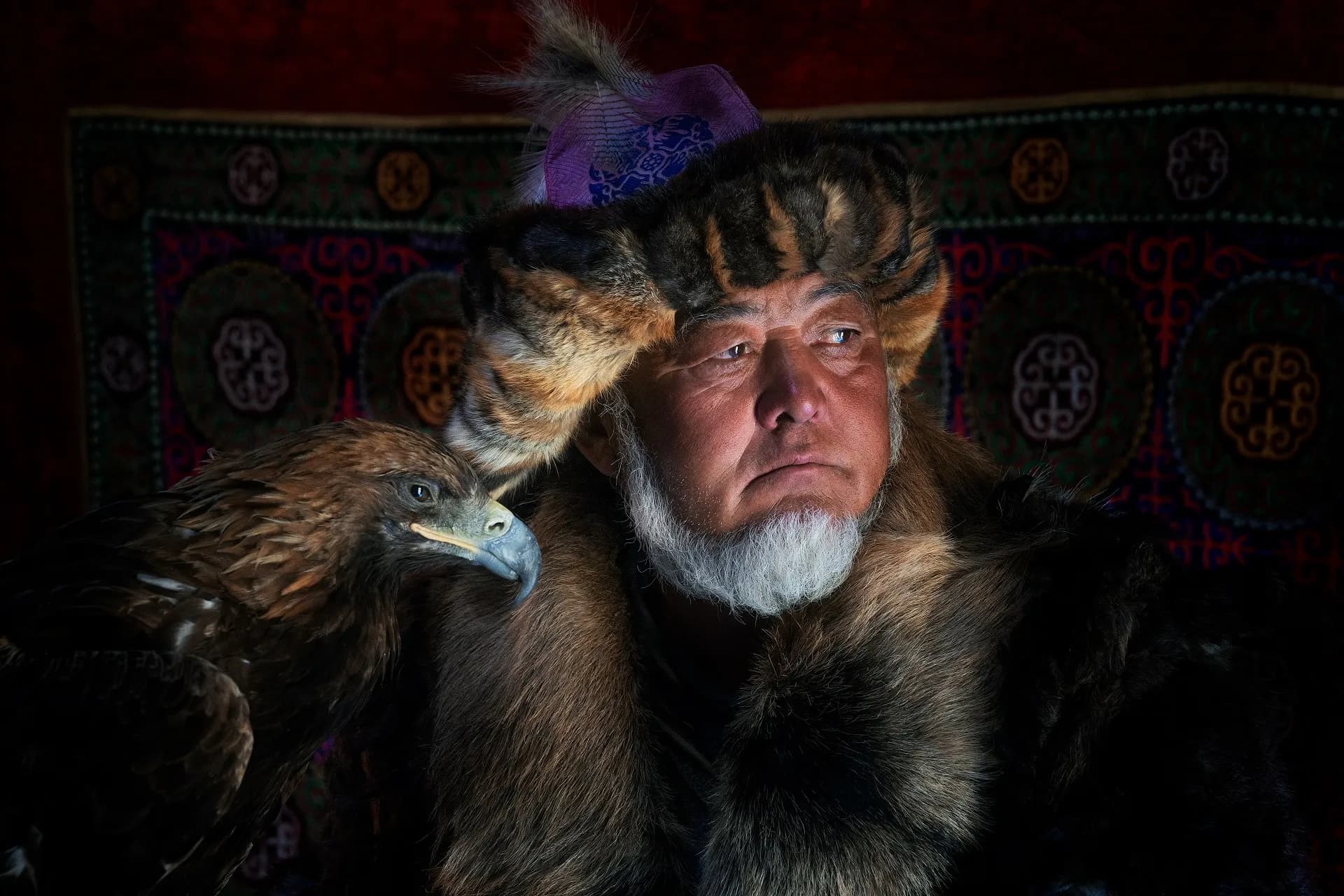
Private Eagle Festival Photography Tour — 10 Days
Experience a private gathering of 10–15 Kazakh eagle hunters at our seasonal ger camp beneath Tsambagarav Mountain. This 10-day Mongolia photography tour combines eagle hunter portraits, horseback and golden eagle photography, nomadic culture, camel photography at Elsen Tasarkhai and the historic capital of Kharkhorin.
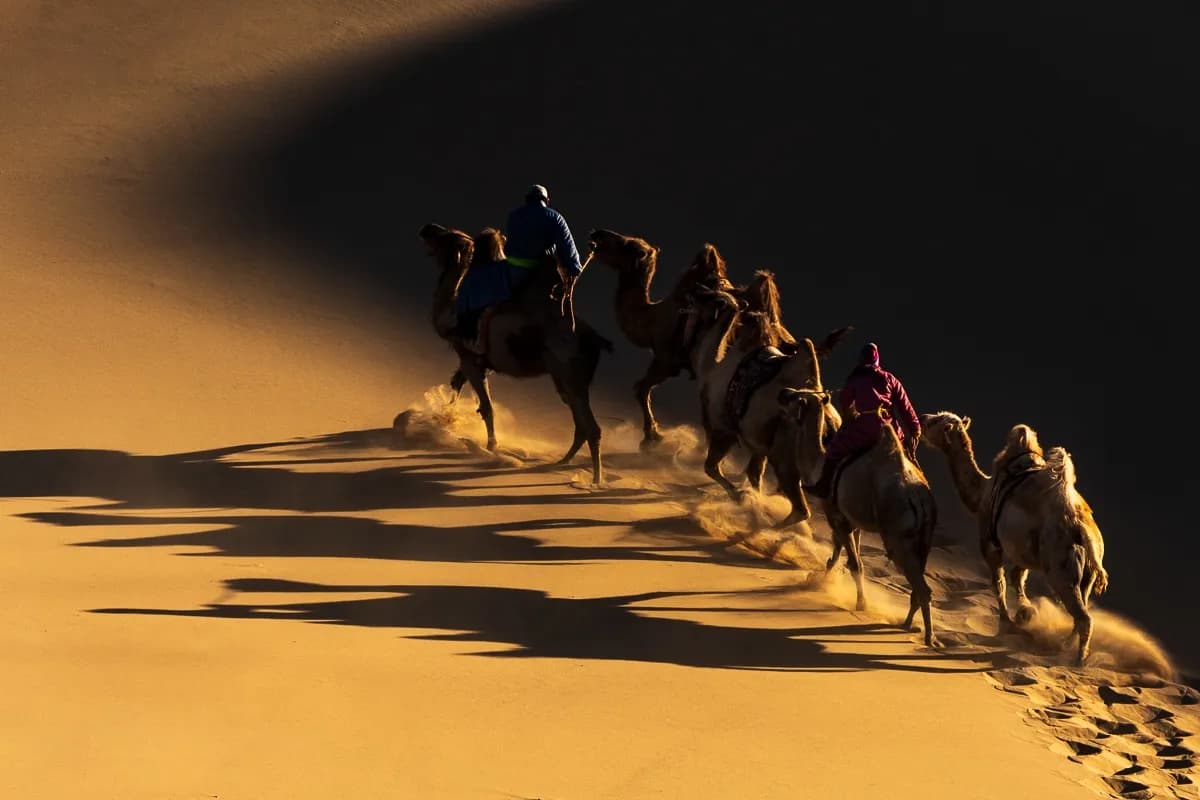
Thousand Camel Festival & Winter Gobi Expedition
Experience Mongolia’s spectacular Thousand Camel Festival on an 8-day winter Gobi adventure featuring Bactrian camel culture, frozen Yolyn Am, Bayanzag Flaming Cliffs and authentic encounters with Gobi nomadic families.
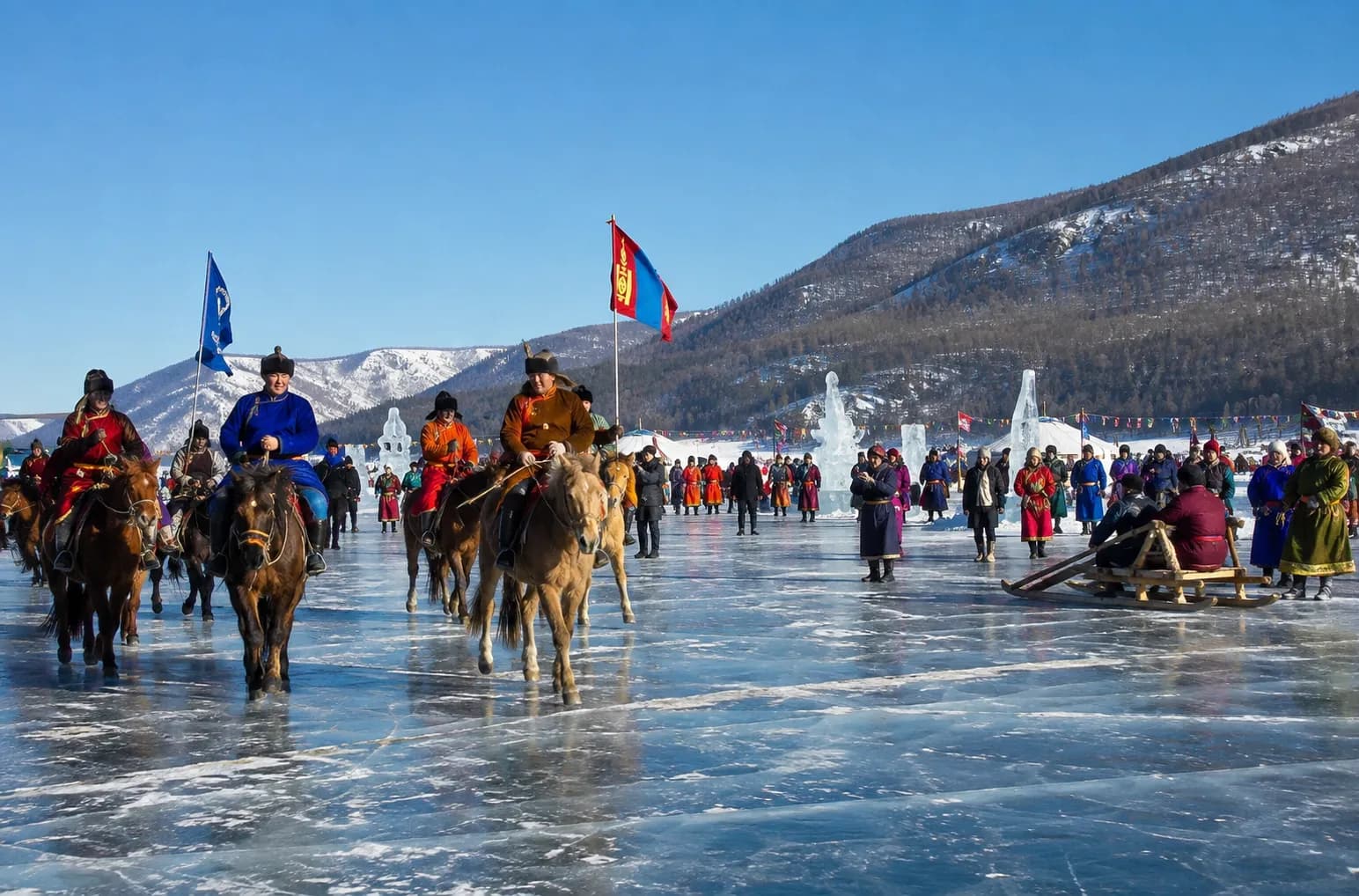
Khuvsgul Ice Festival & Reindeer Adventure 2027
Journey into Mongolia’s remote winter north on an 8-day expedition combining East Taiga reindeer herders, the Khuvsgul Ice Festival, frozen Lake Khuvsgul and the ancient Uushigiin Uvur Deer Stones.