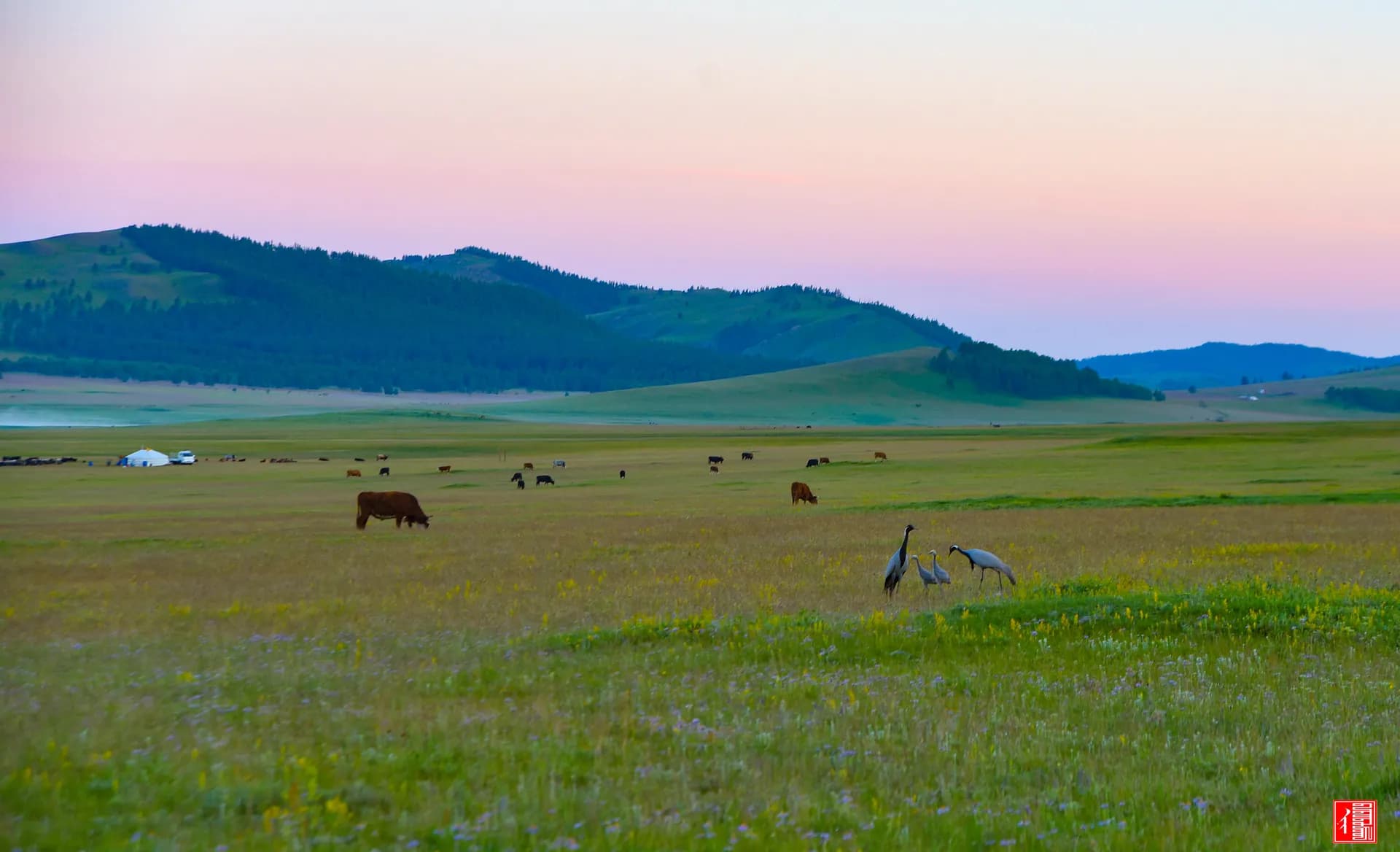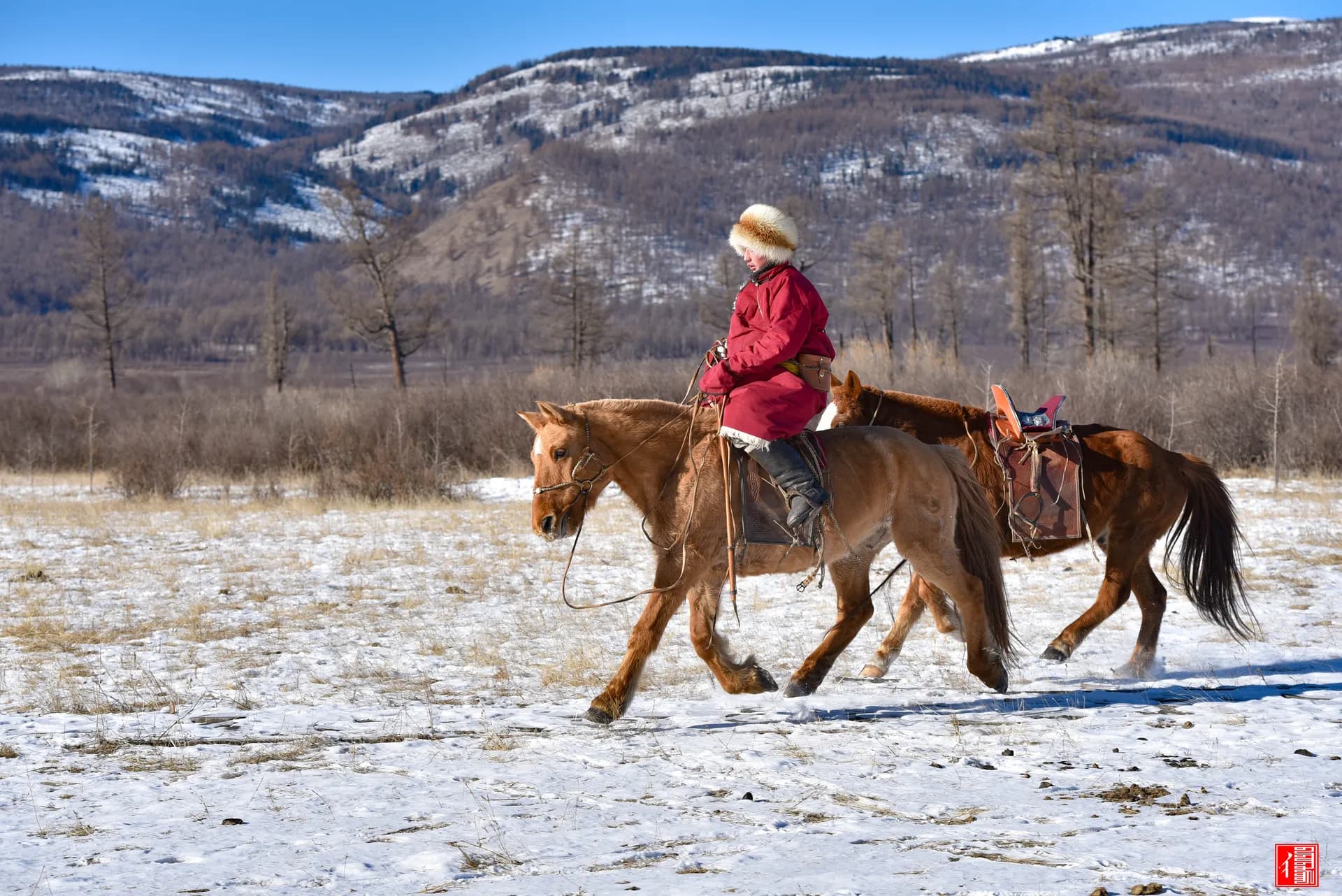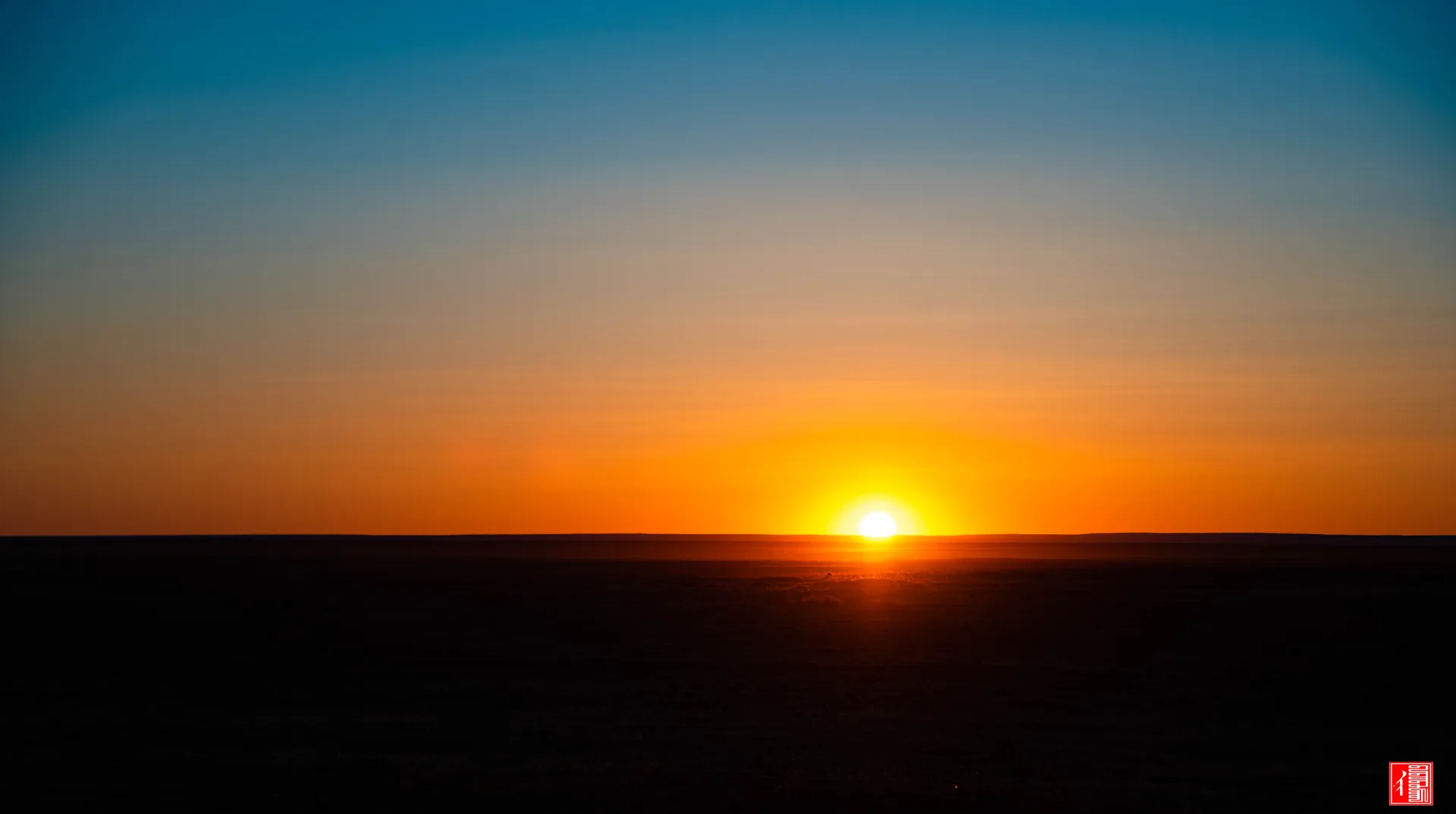
Mongolia is one of the few places left in the world where travel can still feel like a true journey.
Beyond Ulaanbaatar, roads disappear into open steppe, horses graze beneath enormous skies, nomadic families move with the seasons, and landscapes stretch for hundreds of kilometers without a city in sight.
To the south lies the vast Gobi Desert, where towering sand dunes rise beside ancient fossil sites and dramatic mountain valleys. Central Mongolia is home to the Orkhon Valley and Karakorum, the historic heartland of the Mongol Empire. In the north, forests, mountains and Khuvsgul Lake create an entirely different landscape, while western Mongolia is dominated by the Altai Mountains and the centuries-old traditions of Kazakh eagle hunters.
And then there are Mongolia's people.
For many travelers, the most memorable moments are not necessarily at famous landmarks. They happen while drinking milk tea inside a family ger, watching horses being gathered at sunset, sharing a meal with people you have only just met, or simply stopping somewhere in the steppe where there is nothing but silence in every direction.
This guide was created to help you understand Mongolia before you travel.
It covers the best time to visit, where to go, how long to stay, suggested itineraries, transportation, accommodation, costs, festivals, food, nomadic culture, winter travel, what to pack and many of the practical questions first-time visitors ask us.
Whether you are planning a short introduction to Mongolia or a three-week journey across the country, start here.
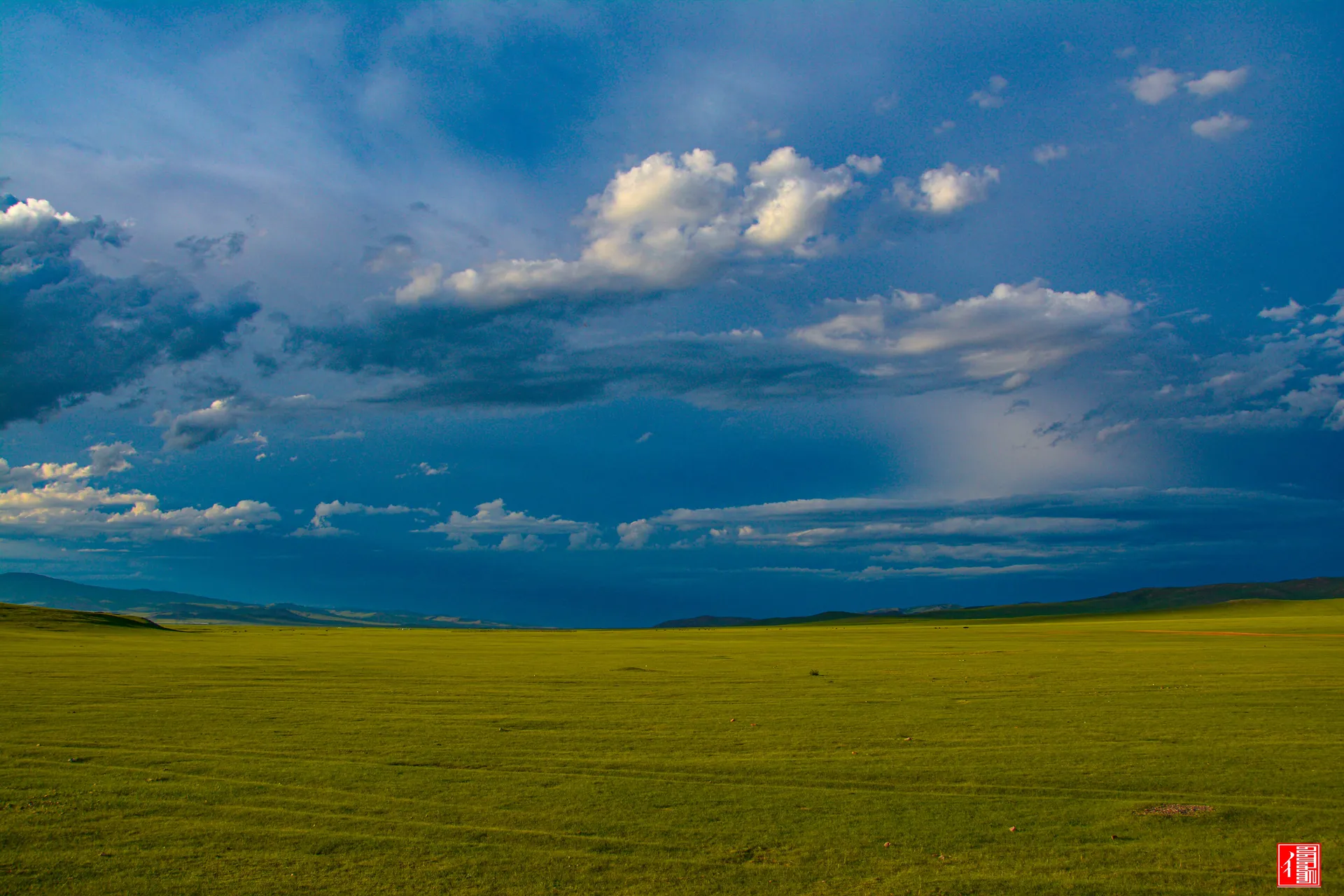
Mongolia at a Glance
Mongolia lies between Russia and China in the heart of Asia. It is one of the world's most sparsely populated countries, covering more than 1.5 million square kilometers while remaining home to only a few million people.
That enormous amount of space is one of the defining features of traveling here.
Outside Ulaanbaatar and the provincial towns, Mongolia can feel remarkably empty. Paved roads do not reach many of the country's most interesting places, settlements may be separated by vast distances, and much of the countryside remains open pastoral land.
Mongolia is also far more geographically diverse than many first-time visitors expect.
The country includes:
• the Gobi Desert and semi-desert landscapes of the south
• vast grasslands across central and eastern Mongolia
• forested mountains and lakes in the north
• the Altai Mountains of western Mongolia
• volcanic landscapes, rivers and alpine valleys
• enormous areas shaped by nomadic pastoral life
A large share of Mongolia's population lives in Ulaanbaatar, while herding remains an important part of life across the countryside.
This contrast between a rapidly changing capital and an immense rural landscape is part of what makes Mongolia so fascinating to explore.
Quick Facts About Mongolia
Capital: Ulaanbaatar
Language: Mongolian
Currency: Mongolian Tögrög (MNT)
Time zones: UTC+7 and UTC+8, depending on the region
Best-known landscapes: Gobi Desert, Altai Mountains, Khuvsgul Lake, Orkhon Valley and the Mongolian steppe
Major cultural events: Naadam Festival, Golden Eagle Festival and regional nomadic festivals
Typical travel styles: Private tours, small-group expeditions, overland journeys, horse trekking, photography trips and cultural experiences
Why Travel to Mongolia?
People travel to Mongolia for very different reasons.
Some come for the landscapes. Others are fascinated by the history of Chinggis Khan and the Mongol Empire. Photographers come for the light, wildlife and traditional cultures. Adventurous travelers come because Mongolia still offers journeys that cannot easily be reproduced elsewhere.
Several things make Mongolia particularly unusual.
Space and Silence
In many parts of the world, wilderness exists inside protected areas surrounded by towns, highways and development.
In Mongolia, the scale can feel reversed.
You can travel for hours across open country without passing a major settlement. Stop the vehicle somewhere in the countryside and there may be no buildings, traffic or artificial sound around you.
For travelers accustomed to crowded destinations, that sense of space can be one of Mongolia's greatest luxuries.
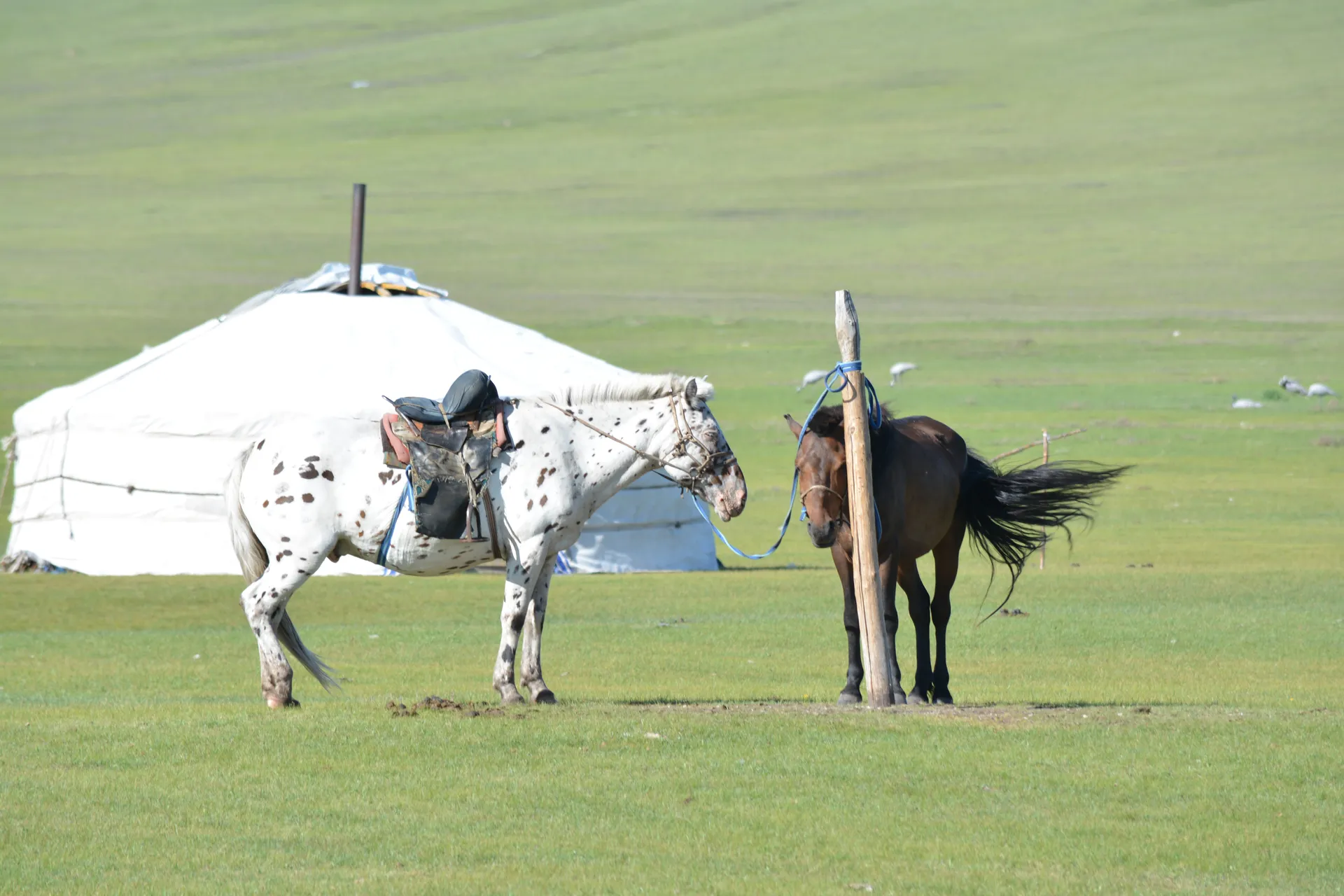
A Living Nomadic Culture
Mongolia's nomadic traditions are not simply something preserved for visitors.
Across the countryside, herding families continue to raise horses, sheep, goats, cattle, yaks and camels while adapting their lives to Mongolia's seasons and environment.
The traditional ger remains central to rural life. Its portable design is particularly suited to pastoral communities that may move between seasonal grazing areas.
Visiting a nomadic family can therefore be much more than a sightseeing stop.
It is an opportunity to understand how weather, livestock, distance, family and the landscape continue to shape everyday life.
Responsible visits should always respect that these are people's homes rather than tourist attractions.
Extraordinary Landscapes
One of the biggest mistakes first-time travelers make is imagining Mongolia as one enormous flat grassland.
It is not.
A journey across Mongolia can take you through landscapes that look like entirely different countries.
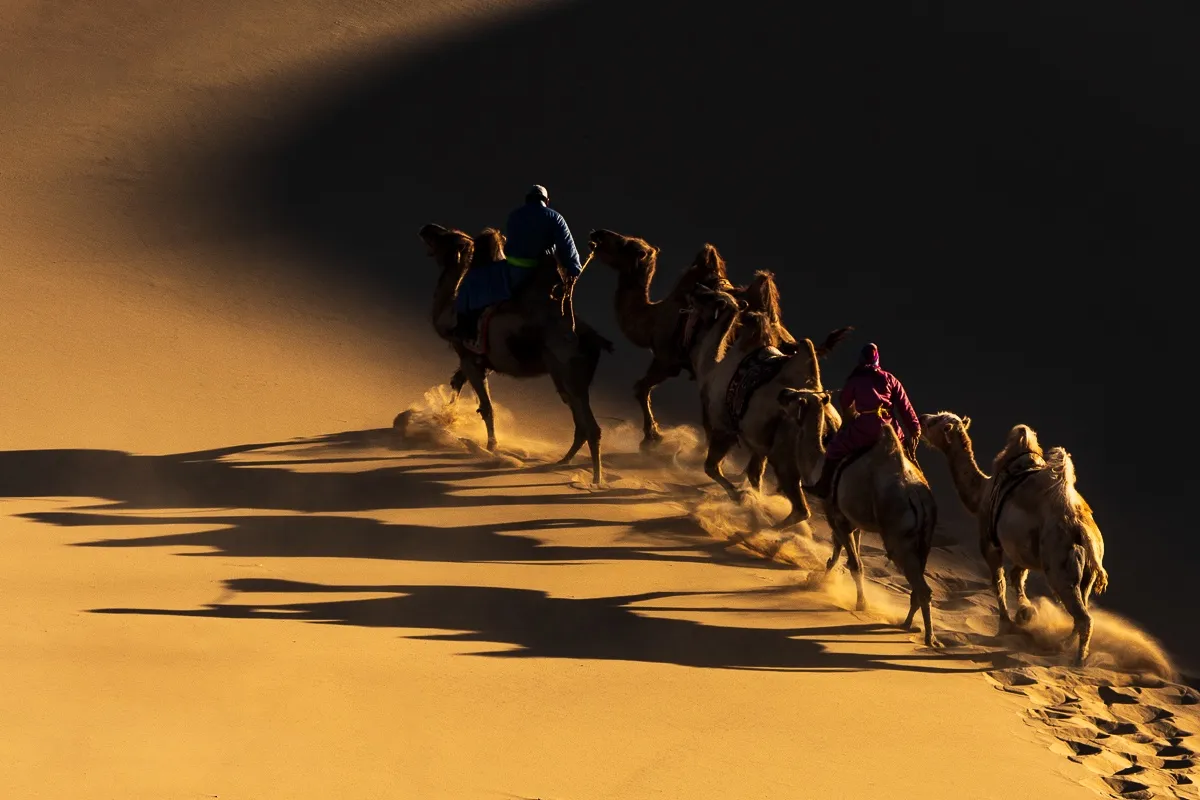
In the south, the Gobi Desert contains sand dunes, rocky mountains, deep valleys and fossil-rich cliffs.
Central Mongolia combines rolling steppe with volcanic landscapes, monasteries and the historic Orkhon Valley.
Northern Mongolia becomes greener and more mountainous, eventually reaching the forests and clear waters surrounding Khuvsgul Lake.
Travel west and the landscape rises dramatically into the Mongolian Altai, home to glaciers, high mountain valleys and remote communities.
This diversity is why choosing the right Mongolia itinerary matters so much.
Distances are enormous, and trying to see everything in a few days usually means spending too much of the journey inside a vehicle.
History on an Epic Scale
Mongolia's influence on world history is extraordinary.
In the early 13th century, Chinggis Khan united the Mongol tribes and established the foundation of what would become the largest contiguous land empire in history.
His successors expanded the Mongol Empire across much of Eurasia, profoundly influencing trade, diplomacy, warfare and cultural exchange.
But Mongolia's history extends far beyond the Mongol Empire.
Ancient burial sites, deer stones, petroglyphs, Turkic monuments, Buddhist monasteries and archaeological remains are scattered across the country.
Unlike visiting history inside a museum, traveling through Mongolia often means encountering it directly in the landscape.
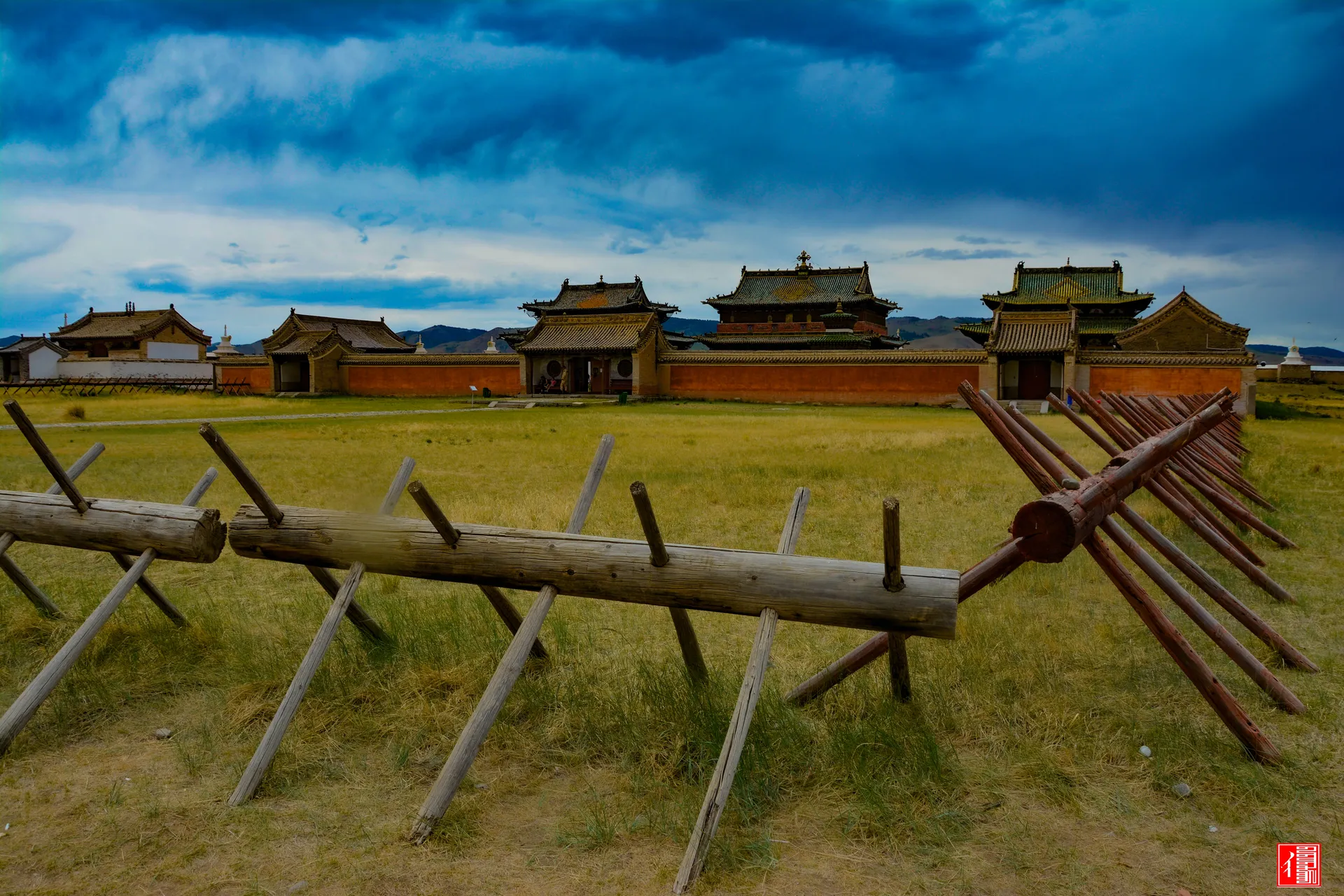
Karakorum, the former imperial capital, is one of the most important places for understanding this story.
Nearby stands Erdene Zuu, Mongolia's oldest surviving Buddhist monastery, established in the late 16th century near the ruins of the ancient city.
For travelers particularly interested in Chinggis Khan, eastern and central Mongolia contain important landscapes and historical sites associated with his life and legacy.
Festivals That Are Still Part of Life
Mongolia's festivals offer another way to understand the country.
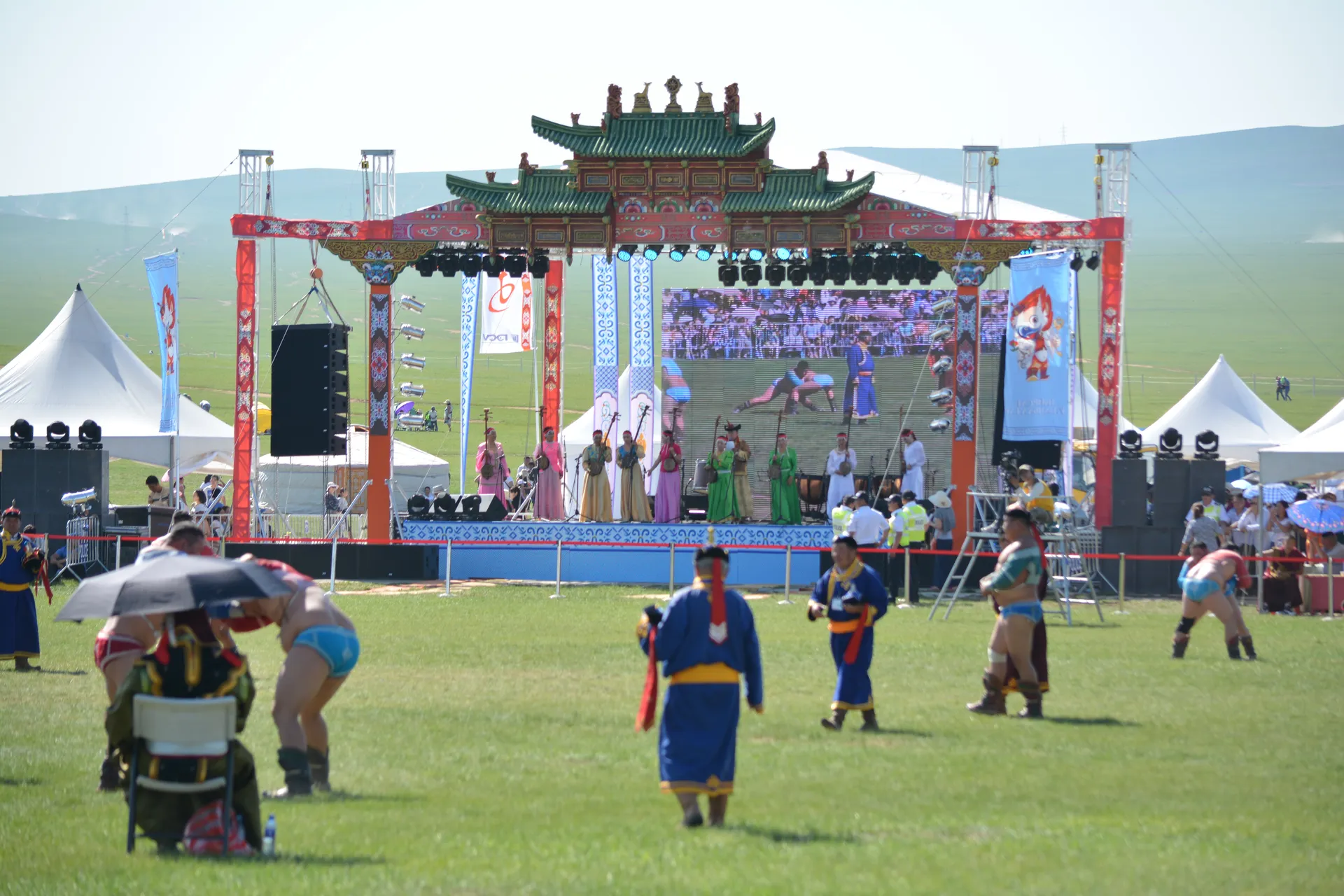
The best known is Naadam, Mongolia's national festival, centered on the traditional sports of wrestling, horse racing and archery.
In western Mongolia, the Golden Eagle Festival celebrates the hunting traditions and cultural heritage of Mongolia's Kazakh eagle hunters.
Other events highlight regional traditions, livestock, music, crafts, horsemanship and nomadic heritage.
These festivals are visually spectacular, but their real value is cultural. They bring together communities and traditions that have developed over generations.
Travelers who coordinate their journey with one of Mongolia's major festivals can experience a very different side of the country.
Is Mongolia Worth Visiting?
For the right traveler, absolutely.
But Mongolia is not a destination that should be judged by the same standards as a conventional city holiday.
Travel here often involves long driving distances. Roads can be rough. Weather can change quickly. Mobile coverage disappears in remote regions. Accommodation outside cities may be simple.
That is also precisely why many people fall in love with Mongolia.
The reward is access to places that remain remarkably uncrowded, communities where hospitality is deeply important, and landscapes where the journey itself becomes part of the experience.
If your ideal holiday requires everything to happen according to a rigid schedule, Mongolia may occasionally test your patience.
If you value nature, culture, photography, history, adventure and the unexpected, it can be one of the most rewarding countries you ever visit.
Best Time to Visit Mongolia
There is no single best month to visit Mongolia.
The right season depends on what you want to experience.
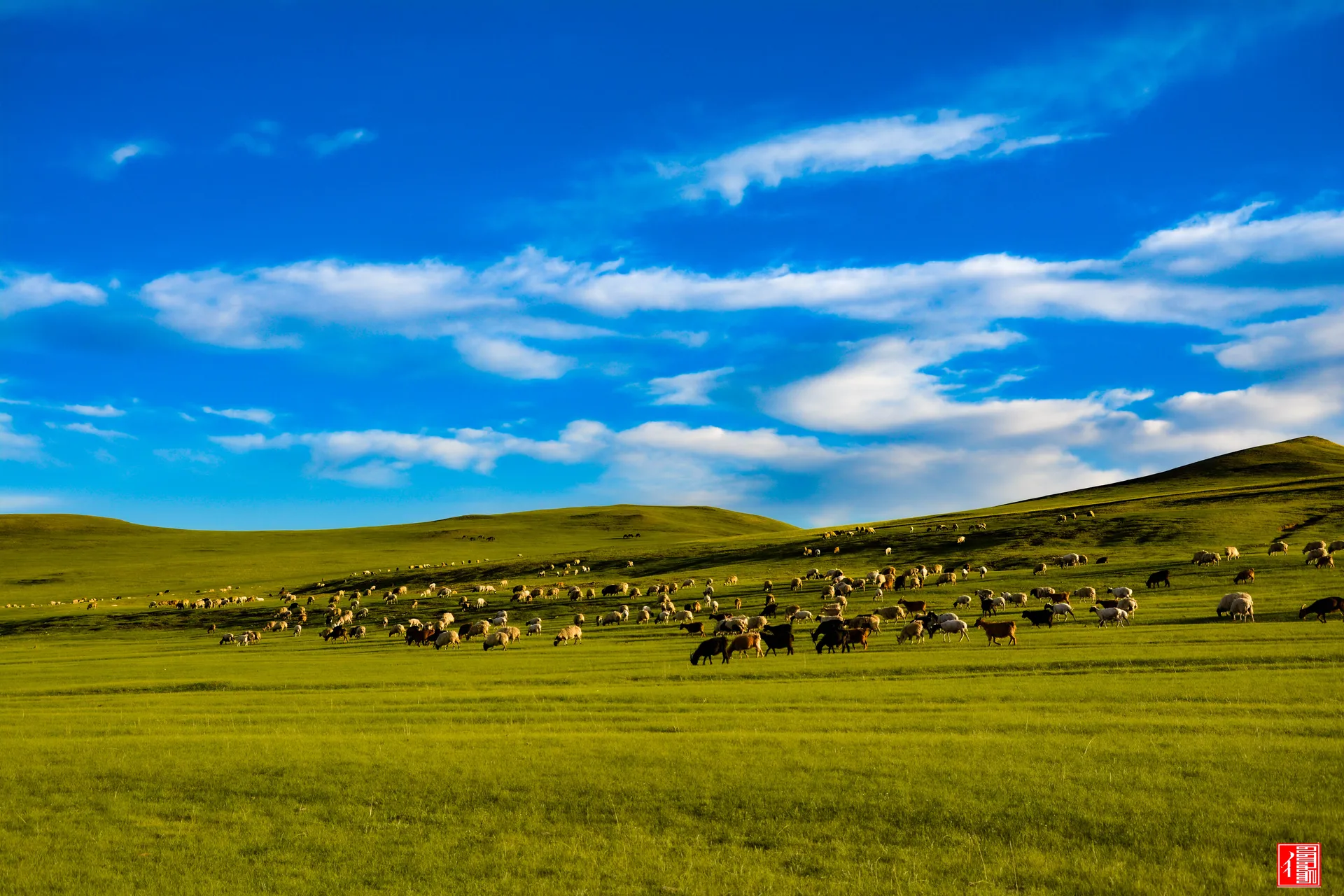
For most first-time visitors interested in classic overland travel, the main season runs through the warmer months when countryside routes are easier to access and ger camps are operating.
June offers long daylight hours and increasingly green landscapes.
July brings Mongolia's most famous cultural event, Naadam, as well as peak summer travel.
August is excellent for longer overland journeys and combining several regions.
September brings cooler temperatures, autumn landscapes and an important season for journeys into western Mongolia.
Winter is something entirely different.
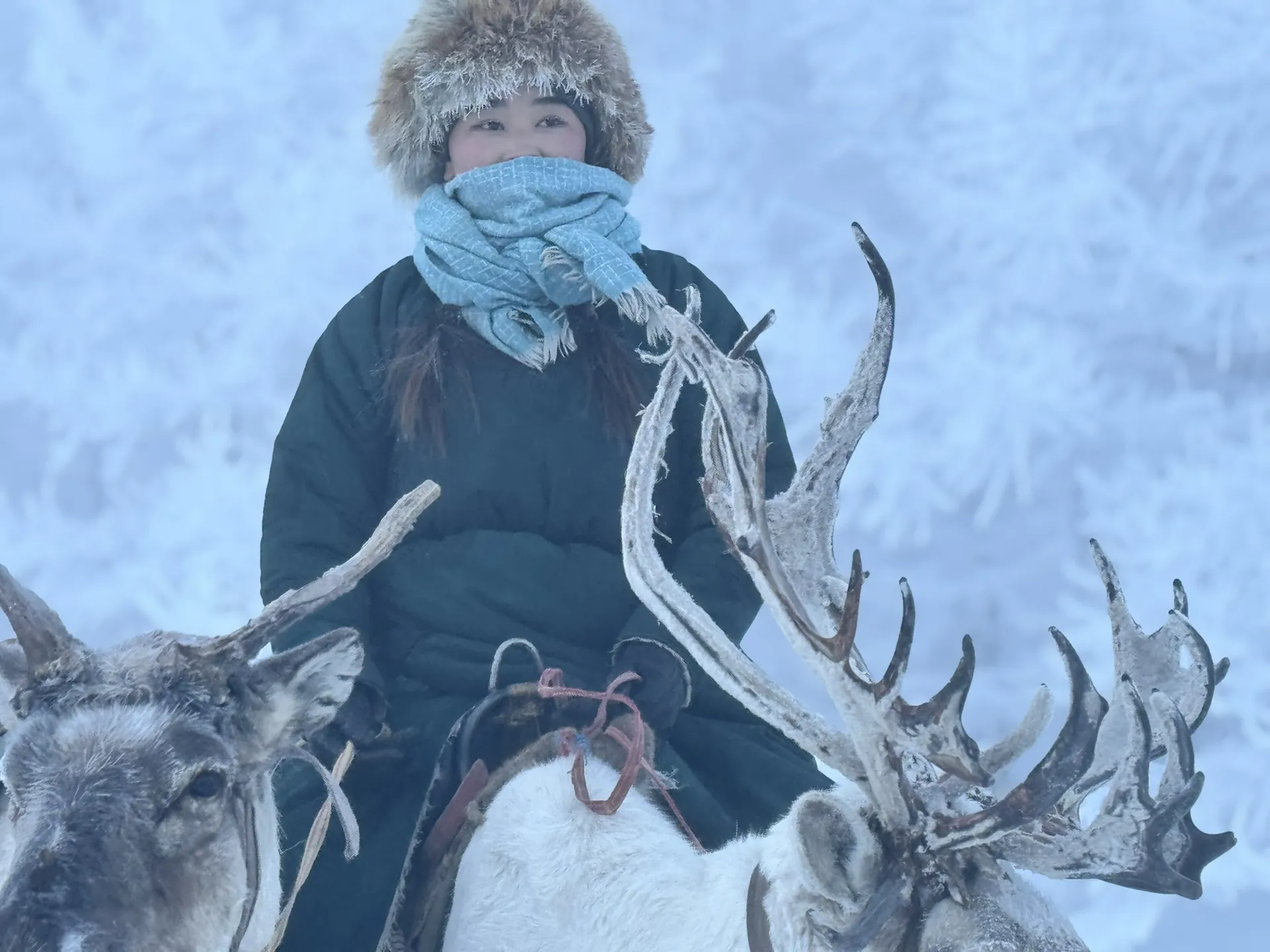
From late autumn into early spring, Mongolia becomes a specialist destination for travelers interested in frozen landscapes, photography, winter nomadic life, reindeer-herding communities and seasonal festivals.
For a detailed month-by-month comparison of weather, landscapes and experiences, read our complete Best Time to Visit Mongolia guide.
Mongolia by Season
Summer: June to August
Summer is the easiest season for a broad first journey through Mongolia.
Most major regions are accessible, the countryside becomes greener, daylight hours are long and traditional ger camps operate throughout popular tourism routes.
June is particularly attractive for travelers who want summer landscapes before the busiest weeks.
July is the country's major festival month because of Naadam.
August remains excellent for the Gobi, Central Mongolia, Khuvsgul, horse trekking and longer overland adventures.
Autumn: September to October
Autumn can be one of Mongolia's most beautiful periods.
September often combines relatively comfortable travel conditions with clearer light, changing colors and fewer peak-summer visitors.
It is especially important for western Mongolia, where Kazakh eagle-hunting culture becomes a major attraction for photographers and cultural travelers.
Temperatures fall rapidly as the season progresses, particularly at night.
Winter: November to March
Winter Mongolia is not simply the summer destination covered in snow.
It requires different planning, vehicles, clothing and expectations.
The reward is a Mongolia that relatively few international visitors experience: frozen rivers, snow-covered valleys, winter camps, Bactrian camels against white landscapes and remote northern communities living through one of the world's most demanding climates.
Travelers specifically interested in winter should read our complete Mongolia Winter Tours guide before planning their journey.
Spring: April to May
Spring is a transition period.
Temperatures begin to rise, but conditions can be unpredictable. Strong winds, dust and sudden changes in weather are possible.
For travelers with flexible expectations, spring can still offer interesting cultural and photographic experiences, but it requires more careful itinerary design than peak summer.
How Many Days Do You Need in Mongolia?
This is one of the most important questions in Mongolia travel planning.
The country is enormous.
Trying to visit too many regions in too little time is one of the easiest ways to turn a great journey into a sequence of long driving days.
As a broad guide:
5–7 days: Choose one main region or a compact combination near Ulaanbaatar.
8–10 days: Enough time for a meaningful Gobi, Central Mongolia or specialized cultural journey.
11–14 days: An excellent duration for many first-time visitors and allows several major experiences to be combined.
15–21 days: Suitable for deeper exploration or combining distant regions.
Three weeks or more: Opens the possibility of ambitious cross-country expeditions, western Mongolia, northern wilderness or multiple major regions.
7-Day Mongolia Itinerary Idea
With one week, resist the temptation to cross the entire country.
A strong first-time route might combine:
Ulaanbaatar → Terelj National Park → Central Mongolia → Karakorum → nomadic experience → return to Ulaanbaatar.
Another option is to concentrate entirely on the Gobi if transportation and routing are designed efficiently.
The goal should be depth rather than a long list of destinations.
10-Day Mongolia Itinerary Idea
Ten days provides considerably more flexibility.
A classic itinerary can combine several highlights of the Gobi Desert, or Central Mongolia with additional national parks and cultural experiences.
For travelers with a particular interest, ten days is also enough for a focused horseback, winter or festival journey.
14-Day Mongolia Itinerary Idea
Around two weeks is one of the strongest choices for a first trip.
It provides enough time to combine regions without making every day a race.
Depending on the season, a 14-day journey could combine the Gobi Desert and Central Mongolia, or use domestic flights to incorporate western Mongolia.
It also creates space for unscheduled encounters — something especially valuable in Mongolia.
21-Day Mongolia Itinerary Idea
Three weeks allows Mongolia to reveal itself more slowly.
Travelers can consider combinations such as the Gobi, Central Mongolia and Khuvsgul, or dedicate more time to remote western and northern regions.
Longer journeys also allow rest days, hiking, horseback riding, photography and longer stays with local communities.
The extra time is not simply about seeing more.
It allows you to travel better.
Best Places to Visit in Mongolia
There is no single route that represents all of Mongolia.
These are some of the regions most worth considering.
The Gobi Desert
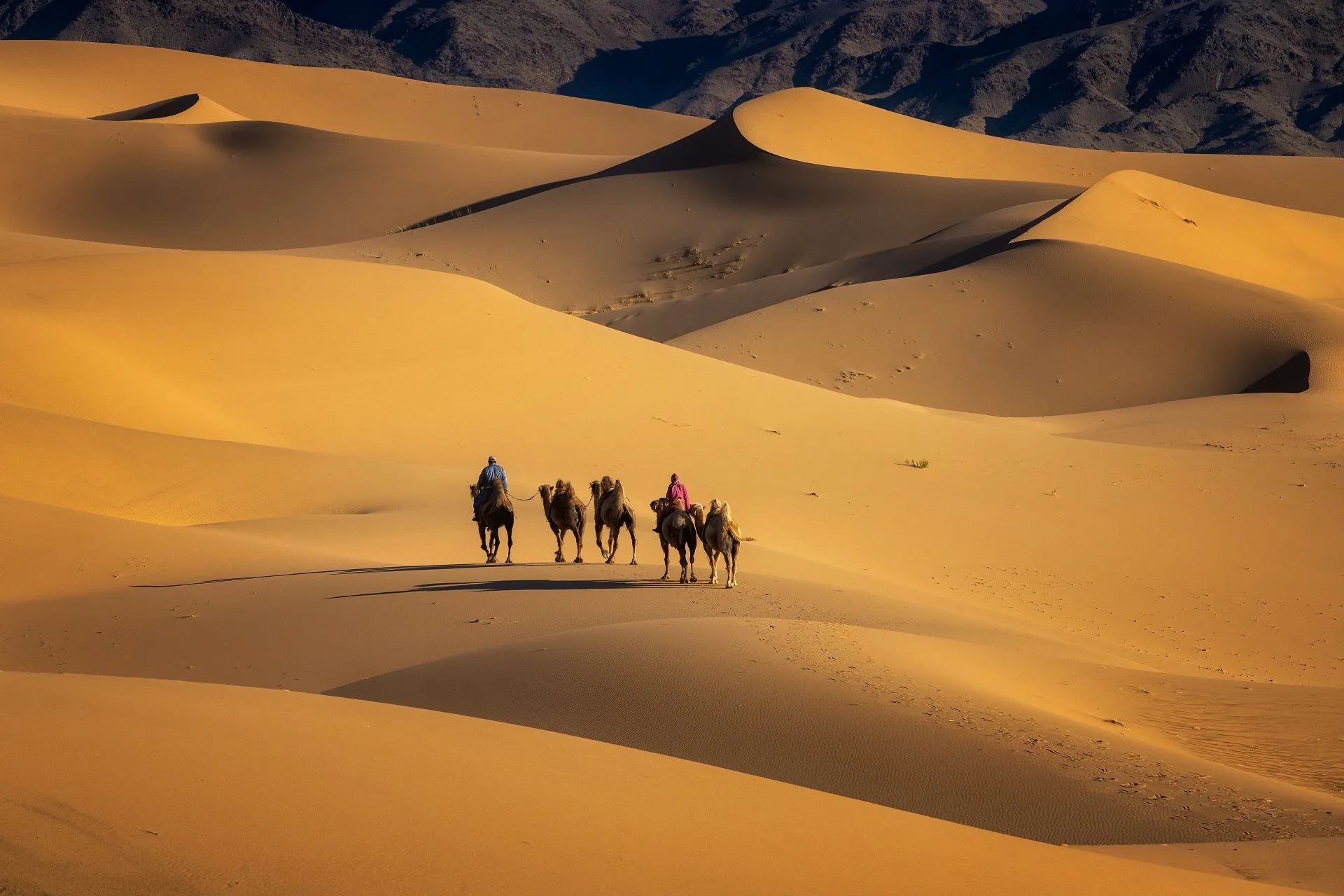
The Mongolian Gobi is much more diverse than the word “desert” suggests.
Its landscapes include enormous dunes, mountain ranges, rocky plains, canyons, fossil sites and areas of desert steppe used by camel-herding families.
Among the best-known destinations are Yolyn Am, Khongor Sand Dunes and Bayanzag, internationally known as the Flaming Cliffs.
Longer overland routes may also include Tsagaan Suvarga, Baga Gazriin Chuluu and Ongi Monastery.
Central Mongolia and the Orkhon Valley
Central Mongolia combines history, nomadic culture and classic steppe landscapes.
Karakorum was the imperial capital of the Mongol Empire, while nearby Erdene Zuu remains one of Mongolia's most important Buddhist sites.
The wider Orkhon Valley contains archaeological and cultural landscapes connected to centuries of pastoral life and earlier empires.
Central Mongolia is particularly easy to combine with nomadic family visits, horseback riding and other regions on longer journeys.
Khuvsgul Lake and Northern Mongolia
Northern Mongolia feels very different from the Gobi.
Forests, mountains and freshwater landscapes dominate the region around Khuvsgul Lake.
The lake is one of Mongolia's great natural destinations and works particularly well for travelers interested in hiking, horse riding, photography and slower nature-based travel.
Farther north and west, journeys become more expeditionary as routes approach the Darkhad Valley and remote taiga.
Western Mongolia and the Altai
Western Mongolia is one of the country's most dramatic regions.
The Mongolian Altai contains high mountains, glaciers, broad valleys and communities with distinct cultural traditions.
Bayan-Olgii Province is particularly famous for its Kazakh population and the tradition of hunting with golden eagles.
Because of the enormous distance from Ulaanbaatar, domestic flights are often an important part of western Mongolia itineraries.
Terelj National Park
Terelj is one of the most accessible natural areas from Ulaanbaatar.
Its granite formations, valleys and mountain scenery make it useful for travelers with limited time or as the beginning or end of a longer Mongolia itinerary.
Activities can include hiking, horseback riding, visiting local families and exploring well-known sites such as Turtle Rock and Aryabal Meditation Temple.
Terelj should not be mistaken for the whole of rural Mongolia, but it can provide an excellent short introduction to the landscape outside the capital.
Eastern Mongolia and the Land of Chinggis Khan
Eastern Mongolia receives fewer international visitors than the Gobi or Central Mongolia.
Its vast steppe landscapes are deeply connected to the history and legends surrounding Chinggis Khan.
For travelers interested in Mongolian history, the region offers a journey built less around famous tourist attractions and more around landscape, archaeological sites and historical meaning.
What Is It Like to Stay in a Mongolian Ger?
Staying in a ger is one of the defining experiences of travel outside Ulaanbaatar.
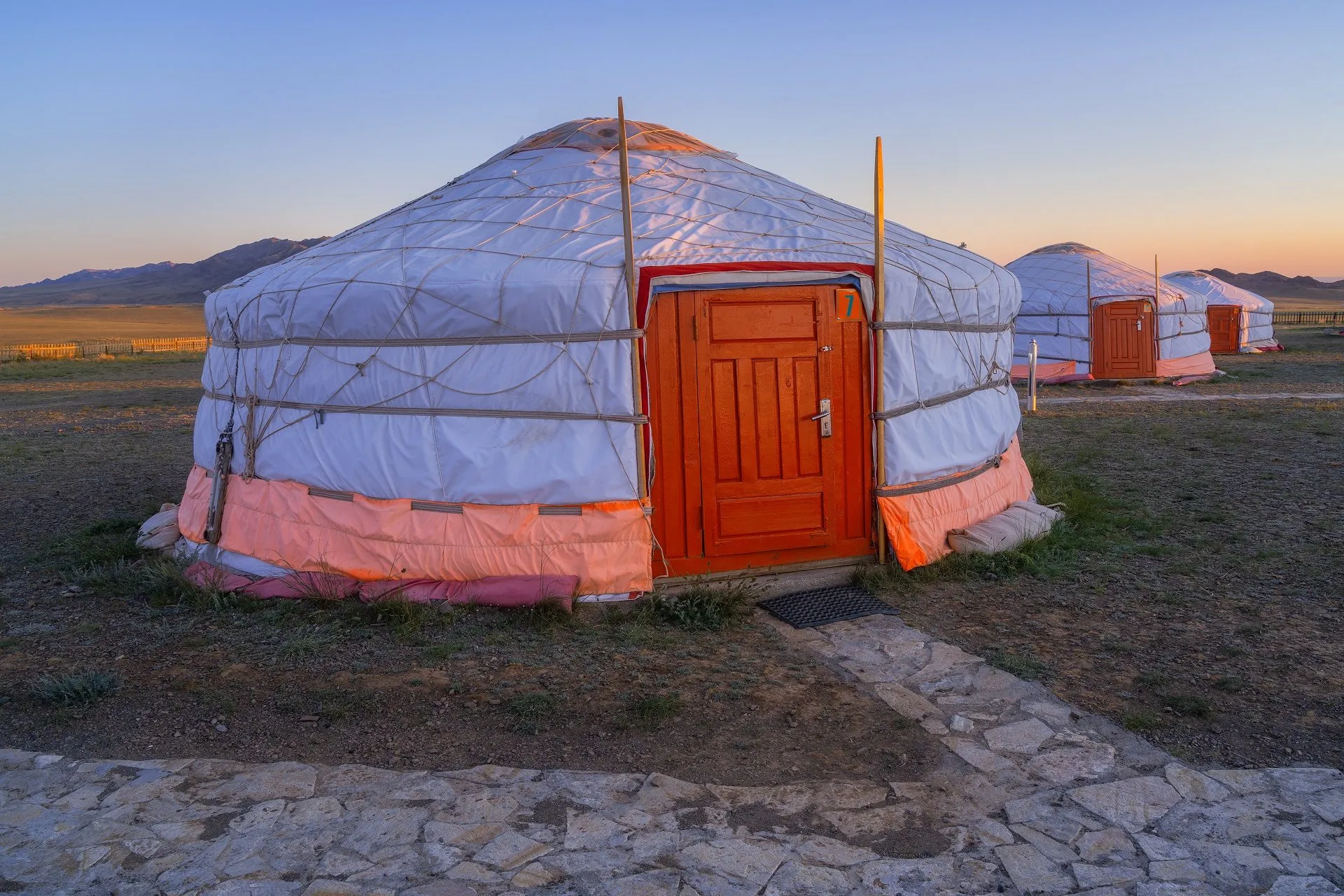
A traditional Mongolian ger is a circular portable dwelling designed for life in the country's continental climate.
Tourist ger camps range from simple traditional accommodation to comfortable camps with restaurants, showers, private bathrooms or upgraded facilities.
Facilities vary enormously by location.
A remote family stay should not be expected to offer the same comfort as a premium ger camp near a major destination.
That difference is part of understanding Mongolia.
A ger is not simply unusual accommodation created for tourism. It remains part of everyday life for many Mongolian families.
Meeting Nomadic Families
For many guests, meeting a herding family becomes one of the most memorable experiences of their journey.
A good visit is not about arriving for a staged performance.
It is about spending time with people, sharing tea or food, learning about livestock and understanding a lifestyle shaped by the seasons.
Depending on the family and time of year, travelers may see horses being gathered, dairy products being prepared, animals being moved or everyday work around the camp.
Every family is different.
The experience should therefore be approached with curiosity rather than a checklist.
Ask before photographing people closely, respect private spaces, and follow your guide's advice regarding local customs.
Mongolian Food: What Should You Try?
Traditional Mongolian cuisine developed around livestock, dairy products and the practical realities of life in a cold continental climate.
Meat — particularly mutton and beef — is important, while dairy products appear in many forms.
Travelers may encounter dishes such as buuz, steamed dumplings filled with meat; khuushuur, fried meat pastries; noodle dishes; soups; grilled or boiled meats; and a variety of traditional dairy foods.
Suutei tsai, Mongolian milk tea, is commonly served when visiting families.
In Ulaanbaatar, the food scene is much broader, with Mongolian and international restaurants offering considerably more variety.
Vegetarian and special dietary requirements can usually be managed on organized journeys when operators are informed in advance, although options become more limited in very remote areas.
How Much Does a Trip to Mongolia Cost?
The cost of traveling in Mongolia depends heavily on how you travel.
A shared group journey, private trip and luxury expedition have completely different operating structures.
Important cost factors include:
• number of travelers
• duration
• route and total driving distance
• domestic flights
• vehicle type
• accommodation standard
• private versus group travel
• guide and support team
• included meals and activities
• festival tickets or specialist arrangements
The cheapest advertised trip is not necessarily the best value.
In remote Mongolia, the quality of the vehicle, driver, guide and logistical support can have a major effect on the experience.
For current price ranges and examples, read our complete Mongolia Tour Cost guide.
Private Tour or Small Group Tour?
Both can work extremely well.
The better choice depends on your travel style.
Private Mongolia Tours
A private journey provides greater flexibility.
It can be designed around your dates, interests, preferred pace, photography requirements, accommodation level and family needs.
Private travel is particularly useful for couples, families, photographers and travelers combining unusual regions.
Small Group Mongolia Tours
Small-group departures can offer better value while retaining much of the intimacy that makes Mongolia special.
They also allow travelers to share the experience with people who have similar interests.
The key word is small.
Large coach-style tourism is poorly suited to many of Mongolia's remote routes and cultural experiences.
Traveling Around Mongolia
Transportation is one of the most important things to understand before planning a Mongolia trip.
Distances can be enormous.
Some routes use paved highways, while others follow gravel roads or tracks across open countryside.
Travel times should therefore be treated as realistic estimates rather than exact promises.
Overland Vehicles
Depending on the route and travel style, journeys may use modern 4WD vehicles, vans or other vehicles suited to local conditions.
The quality and experience of the driver are particularly important outside the main road network.
Domestic Flights
Flights can save enormous amounts of driving time when visiting distant regions such as western Mongolia.
However, domestic schedules may be limited or change seasonally.
A good itinerary should account for this rather than building unrealistic connections.
Horse Travel
Mongolia is one of the world's great horse cultures.
Horseback journeys range from short rides near ger camps to multi-day expeditions into areas that vehicles cannot easily reach.
Long expeditions require appropriate riding ability, experienced local horsemen and realistic daily distances.
Road Conditions and Driving Distances
This deserves its own section because it is one of the most common sources of misunderstanding.
Two hundred kilometers in Mongolia does not always mean the same thing as two hundred kilometers on a European motorway.
Some days may involve paved roads.
Others may involve dirt tracks, river crossings, mountain passes or slow travel through remote terrain.
Weather can also affect conditions.
This is why we strongly recommend judging an itinerary by realistic travel time rather than simply measuring straight-line distances on a map.
In Mongolia, the drive itself is often part of the experience.
Unexpected wildlife, nomadic camps, changing landscapes and photography stops are among the reasons not to rush.
Getting to Mongolia
Most international visitors enter Mongolia through Ulaanbaatar.
International flight connections change over time and by season, so travelers should check current schedules when planning.
Some travelers also arrive overland by rail.
Because international routes, border procedures and entry requirements can change, always confirm current information with official sources before purchasing non-refundable arrangements.
Do I Need a Visa for Mongolia?
Visa requirements depend on nationality, passport type, purpose of travel and length of stay.
Mongolia has visa-free arrangements for citizens of various countries, while other travelers may require a visa or other authorization.
Because immigration policies can change, do not rely on an old blog post or social media comment.
Check the latest requirements through an official Mongolian embassy, consulate or government immigration source before travel.
Money and Payments in Mongolia
Mongolia's currency is the Mongolian Tögrög.
Cards and electronic payments are widely used in Ulaanbaatar and increasingly in larger towns, but cash remains useful when traveling through remote countryside.
Do not assume that a small village, family camp or roadside stop will accept an international card.
It is sensible to carry an appropriate amount of local currency when traveling outside the capital.
ATMs are available in Ulaanbaatar and many larger towns, but access becomes less predictable on remote itineraries.
Internet, Mobile Coverage and Electricity
Ulaanbaatar has modern mobile and internet services, and coverage exists in many towns.
Once you travel into remote countryside, however, mobile signal may become weak or disappear completely.
Some ger camps offer Wi-Fi.
Others do not.
For many travelers, this temporary disconnection becomes part of Mongolia's appeal.
Electricity availability also varies. Comfortable camps may provide regular power and charging facilities, while remote camps or family stays can be more limited.
A power bank is useful on overland journeys.
Is Mongolia Safe to Travel?
Mongolia is generally considered a welcoming destination for international travelers, but normal travel precautions still apply.
In Ulaanbaatar, use the same awareness you would in any capital city, particularly with valuables in busy areas.
Outside the city, the more relevant risks are often practical rather than criminal: long distances, changing weather, road conditions, vehicle issues and limited medical facilities in remote regions.
This is one reason experienced drivers, realistic itineraries and reliable local support matter.
Travel insurance suitable for your planned activities is strongly recommended.
Mongolia for Families
Mongolia can be an extraordinary family destination when the itinerary is designed correctly.
Children can experience horses, camels, ger camps, open landscapes, fossils, wildlife and nomadic family life in ways that feel completely different from conventional sightseeing.
The biggest consideration is pace.
Families should avoid excessive consecutive driving days and include enough time for activities and rest.
Private journeys work particularly well because daily timing can be adapted to the family.
Mongolia for Photographers
Few destinations offer Mongolia's combination of landscape, culture and open space.
Photography opportunities include:
• Gobi landscapes and dunes
• nomadic families and horses
• eagle hunters
• festivals and traditional clothing
• monasteries and historical sites
• wildlife
• winter landscapes
• night skies
• remote mountain environments
The best photography itinerary is rarely the fastest itinerary.
Good light requires time.
So does building trust when photographing people.
Dedicated photography journeys should allow early starts, sunset sessions, flexible stops and longer stays in key locations.
Mongolia in Winter
Most international travelers visit Mongolia during summer.
That is exactly why winter feels so different.
Snow and extreme cold reshape the landscape and daily life.
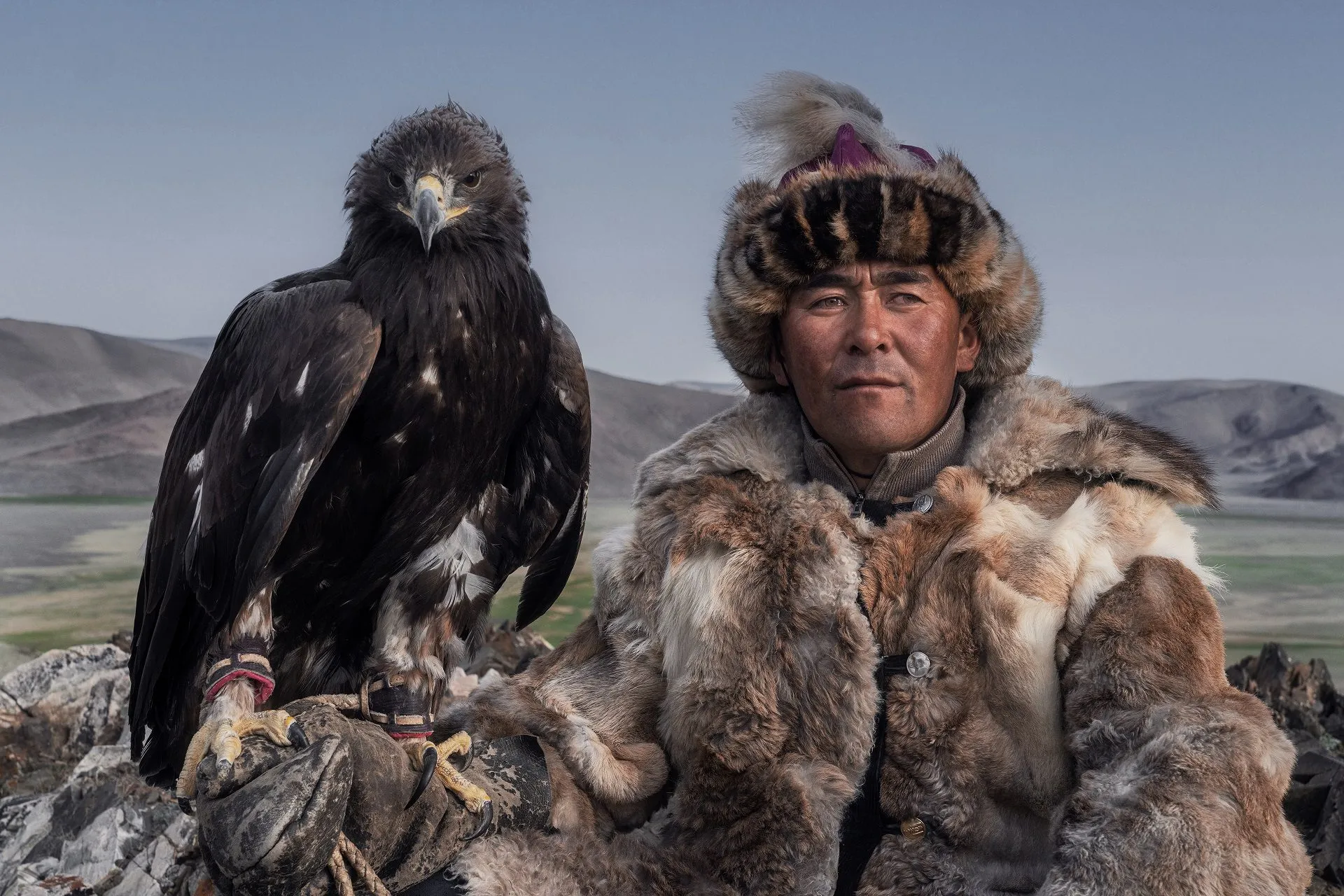
Northern journeys can involve frozen rivers, reindeer-herding communities and deep winter valleys. Western experiences may focus on eagle hunters, while the Gobi reveals Bactrian camels and desert landscapes under winter conditions.
Winter travel requires proper clothing and experienced logistics.
It should not be treated as a cheap off-season version of a summer tour.
It is a specialist experience in its own right.
What to Pack for Mongolia
Packing depends heavily on season and itinerary, but one principle applies almost year-round:
Bring layers.
Mongolia's continental climate can produce large temperature changes between day and night.
For a typical summer journey, consider:
• comfortable layered clothing
• warm fleece or light insulated jacket
• waterproof or wind-resistant outer layer
• comfortable walking shoes
• hat and sun protection
• sunglasses
• reusable water bottle
• small daypack
• personal medications
• power bank
• camera protection against dust
• basic toiletries
For horse trekking, specialist expeditions or winter travel, the list changes considerably.
Always pack for your actual route rather than for “Mongolia” as a single climate.
Responsible Travel in Mongolia
Mongolia's greatest tourism assets are also fragile.
The landscapes are enormous, but ecosystems can be sensitive.
Nomadic culture is resilient, but it should not be turned into a performance simply because travelers want photographs.
Responsible travel means:
• respecting local families and private spaces
• asking permission before close-up photography
• reducing unnecessary waste
• avoiding damage to archaeological sites
• respecting wildlife
• using established tracks where appropriate
• supporting local guides, camps and communities
• understanding that cultural encounters involve real people, not attractions
The best tourism should create value for both travelers and the communities they visit.
Should You Travel Independently or With a Local Tour Operator?
Independent travel is possible in parts of Mongolia, but the country presents logistical challenges that travelers should understand.
Outside major routes, navigation can be difficult, public transportation may not reach the places you want to visit, and accommodation cannot always be booked through conventional online platforms.
Organized journeys are therefore common.
A good local operator provides more than a vehicle and hotel reservations.
They coordinate drivers, guides, camps, family visits, domestic flights, permits where required, meals and contingency planning.
When comparing operators, ask:
• Is the company legally registered?
• How long has it operated?
• Is the itinerary realistic?
• What exactly is included?
• Who provides support during the journey?
• What type of vehicles and accommodation are used?
• Are payment and cancellation terms clear?
Price matters, but accountability matters too.
Planning Your First Mongolia Trip
If this is your first journey to Mongolia, begin with four questions.
When can you travel?
Your season immediately determines which experiences make the most sense.
How many days do you have?
Be realistic. Mongolia rewards time.
What matters most to you?
The Gobi? History? Horses? Photography? Festivals? Nomadic culture? Wildlife? Winter? Luxury? Remote wilderness?
How much driving are you comfortable with?
This question can completely change the quality of an itinerary.
Once these four things are clear, building the route becomes much easier.
Best Mongolia Tours for First-Time Visitors
There is no universal “best Mongolia tour.”
For many first-time visitors, however, several journey styles work particularly well.
A Gobi Desert journey offers some of the country's most iconic landscapes.
Central Mongolia combines history, nomadic culture and steppe scenery.
A Gobi and Central Mongolia combination provides a broad introduction for travelers with enough time.
Naadam journeys are excellent for travelers visiting in July.
Golden Eagle Festival journeys suit travelers interested in western Mongolia and Kazakh culture.
Khuvsgul works well for nature, horses and northern landscapes.
Winter expeditions are designed for travelers seeking something far outside the normal summer season.
Rather than choosing the tour with the longest destination list, choose the journey that best matches your time, season and interests.
Frequently Asked Questions About Mongolia Travel
What is the best month to visit Mongolia?
June through September works well for many classic journeys, but the best month depends on your interests. July is famous for Naadam, September is attractive for autumn and western Mongolia, while winter offers completely different experiences.
How many days are enough for Mongolia?
Around 10–14 days is an excellent duration for many first-time visitors. A shorter trip can work if you focus on one region, while two or three weeks allows deeper exploration.
Is Mongolia expensive to travel?
Costs vary significantly depending on whether you join a group or travel privately, your accommodation level, domestic flights and the remoteness of your route.
Can I visit Mongolia without a tour?
Yes, but independent travel becomes more complicated outside major towns and transport corridors. Remote journeys often benefit from a local driver, guide and pre-arranged accommodation.
Is English widely spoken in Mongolia?
English is increasingly spoken in tourism and among some younger Mongolians, particularly in Ulaanbaatar. It should not be assumed in remote rural communities, which is one reason a local guide can add considerable value.
What is Mongolia most famous for?
Mongolia is known for Chinggis Khan and the Mongol Empire, nomadic culture, horses, the Gobi Desert, Naadam, vast steppe landscapes and the Kazakh eagle hunters of western Mongolia.
Is the Gobi Desert worth visiting?
Yes. The Mongolian Gobi is one of the country's most varied regions, combining dunes, mountains, canyons, fossil sites and camel-herding culture.
Can I stay with a nomadic family?
Yes, some journeys include family visits or overnight experiences. Facilities are usually much simpler than tourist ger camps, and visits should be organized respectfully.
What is Naadam Festival?
Naadam is Mongolia's national festival and is famous for wrestling, horse racing and archery, alongside ceremonies, food, music and traditional clothing.
Where is the Golden Eagle Festival?
The best-known autumn eagle festivals take place in Bayan-Olgii Province in western Mongolia, where the country's Kazakh eagle-hunting tradition remains strong.
Can you travel to Mongolia in winter?
Yes. Winter travel is possible and can be extraordinary, but it requires appropriate clothing, suitable transportation and an itinerary specifically designed for cold-weather conditions.
Is Mongolia good for solo travelers?
It can be. Solo travelers should consider logistics carefully outside Ulaanbaatar because distances are enormous and public transportation does not reach every tourism destination. Joining a small group can be a practical alternative.
Is Mongolia good for couples?
Yes. Private journeys are particularly popular with couples because routes can be adapted around preferred pace, accommodation and interests.
Is Mongolia suitable for children?
Yes, provided the itinerary avoids excessive driving and matches the children's ages and interests. Horses, camels, ger stays and outdoor experiences can make Mongolia particularly memorable for families.
Do I need to bring cash?
It is sensible to carry Mongolian Tögrög outside Ulaanbaatar. Cards are common in the capital but should not be relied upon in every remote location.
Is there internet in Mongolia?
Yes in Ulaanbaatar and many towns, but mobile and internet coverage becomes limited in remote regions.
What should I wear in Mongolia?
Layers are essential. Even during summer, evenings can become cool and weather can change quickly. Winter requires specialist cold-weather clothing.
Can I ride horses in Mongolia?
Yes. Horse riding ranges from short experiences to multi-day expeditions. Choose an activity appropriate to your experience and fitness.
Can I visit Mongolia for photography?
Absolutely. Mongolia is particularly strong for landscape, cultural, wildlife, festival and night-sky photography.
Can I combine the Gobi and Khuvsgul Lake?
Yes, but allow enough time. They are far apart, so a rushed itinerary can involve excessive driving or require domestic transportation.
Can I combine Naadam with the Gobi Desert?
Yes. This is one of the strongest July combinations because it pairs Mongolia's national festival with the country's most famous desert landscapes.
How far in advance should I book Mongolia?
For peak summer, major festivals and itineraries requiring domestic flights or specific high-quality camps, booking well in advance is sensible. More flexibility may be available outside peak periods.
What is the most important thing to know before visiting Mongolia?
Do not underestimate distance.
A successful Mongolia journey is not about collecting the largest number of destinations.
It is about giving each place enough time.
Why Travel With Nomadic of the Blue Sky?
A Mongolia itinerary looks simple on a map.
Operating it well is different.
Distances, road conditions, seasonal weather, domestic flights, ger camp availability and local logistics all influence the journey.
Nomadic of the Blue Sky, the local company behind Journey Mongolia, has been organizing journeys across Mongolia since 2010.
Over the years, we have learned that the best itineraries are not necessarily the ones with the most stops.
They are the journeys that respect Mongolia's scale.
We design private and small-group journeys around realistic travel times, experienced local teams and the interests of the people traveling with us.
Some guests come for the Gobi.
Some come for Naadam.
Others want to photograph eagle hunters, ride horses through remote valleys, meet reindeer-herding communities or experience Mongolia in winter.
Our job is not simply to take you from one attraction to another.
It is to help you experience the Mongolia between them.
Start Planning Your Mongolia Journey
Mongolia is difficult to understand from a map.
The distances look smaller.
The mountains look closer.
The Gobi looks like one landscape.
And a ger can look like nothing more than an unusual place to sleep.
Then you arrive.
You drive beyond Ulaanbaatar and the buildings begin to disappear.
The horizon gets wider.
A road becomes a track.
You stop beside a family ger for tea.
Horses move across the valley.
The sun drops behind mountains that seemed impossibly far away that morning.
And gradually Mongolia stops being a list of places you planned to visit.
It becomes a journey.
If you are beginning to plan your first trip, tell us when you would like to travel, how many days you have and what you most want to experience.
We will help you build a route that fits the season, the distances and the Mongolia you came to see.
EXPLORE OUR MONGOLIA TOURS
PLAN MY PRIVATE MONGOLIA JOURNEY
Come to see Mongolia.
Leave understanding why the journey matters.