Best Time to Visit Mongolia: Month-by-Month Travel Guide
When is the best time to visit Mongolia?
After more than 15 years of organizing journeys across Mongolia, our answer is simple: there is no single best month for everyone.
The right time depends entirely on what you want to experience.
July brings the famous Naadam Festival and the energy of Mongolia's short summer. June offers long days and green landscapes. September brings beautiful autumn colors and eagle hunting traditions in the west. Winter transforms northern Mongolia into a frozen wilderness that feels like an entirely different country.
Mongolia is a land of extreme seasons, and each one offers a different reason to visit.
This month-by-month guide will help you decide when to travel based on weather, landscapes, festivals, crowds and the experiences you want most.
WHEN IS THE OVERALL BEST TIME TO VISIT MONGOLIA?
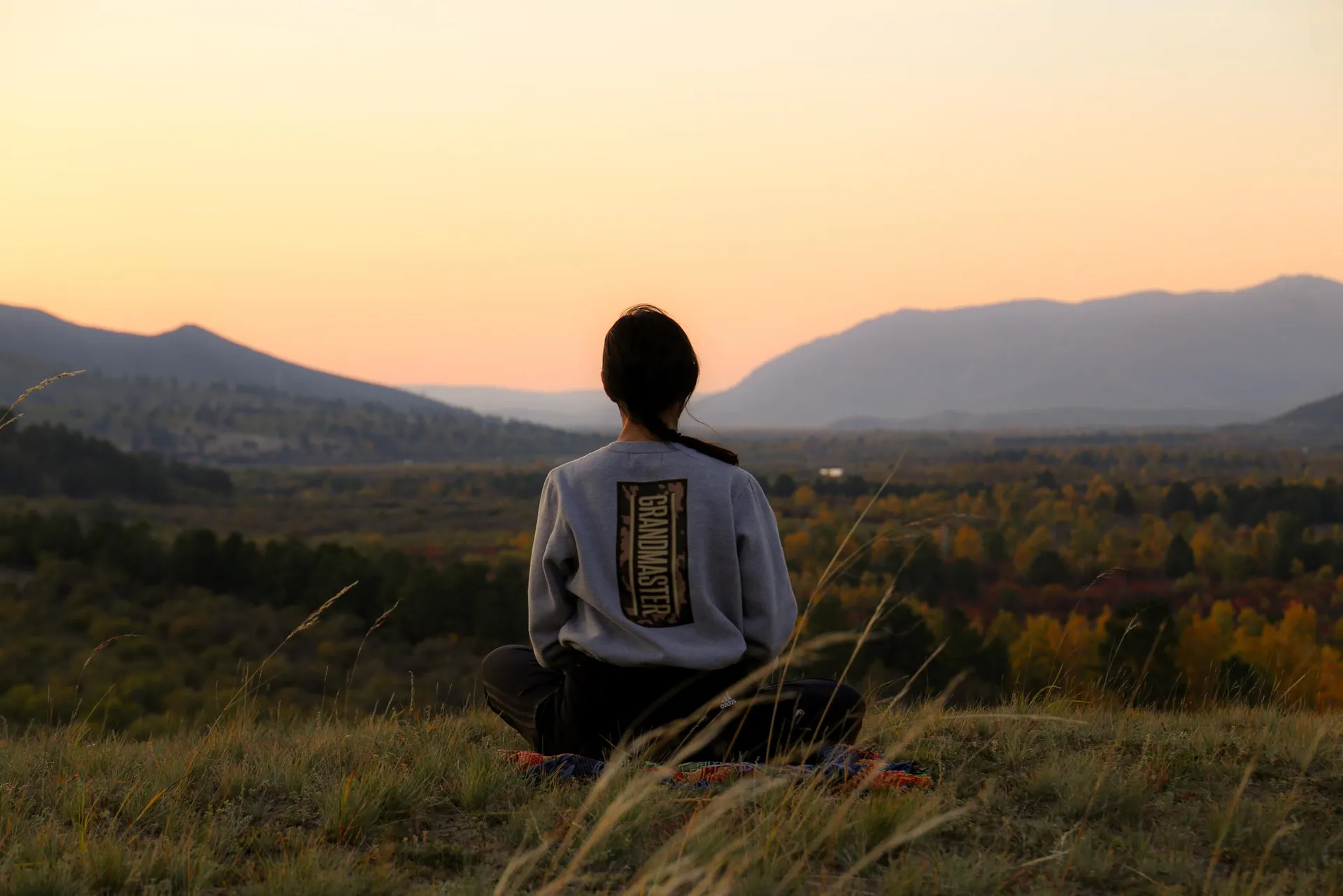
For most first-time travelers, June through September is the easiest and most popular period to visit Mongolia.
Days are generally warmer, ger camps across the countryside are operating, roads are more accessible and most classic Mongolia itineraries can be organized during this period.
However, "best" does not necessarily mean "peak season."
May can be excellent for travelers looking for fewer visitors.
September is one of our favorite months for photography and cultural travel.
October brings colder conditions but unique opportunities in Western Mongolia.
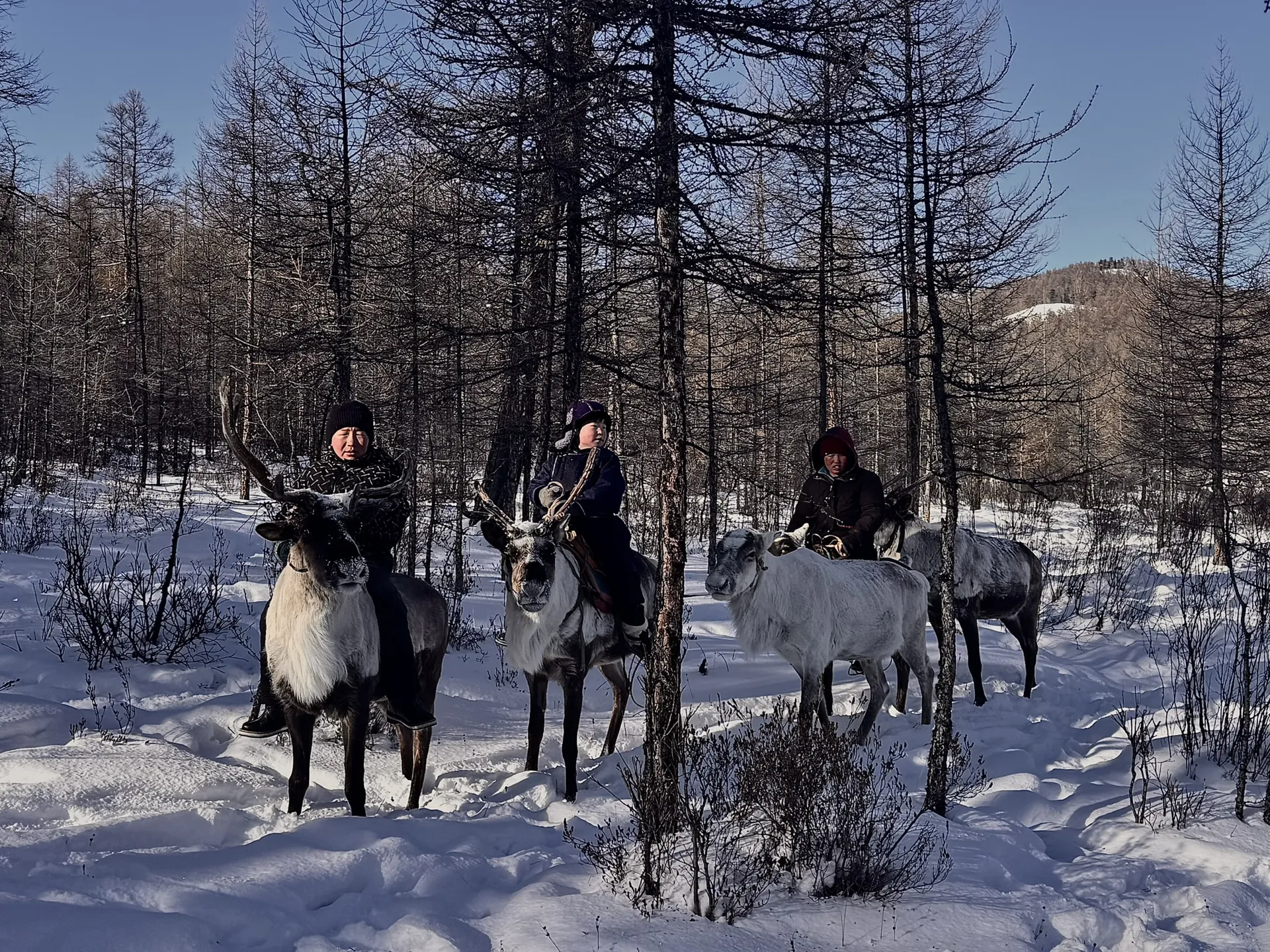
From November through February, Mongolia becomes a true winter destination for travelers seeking snow, frozen landscapes, reindeer-herding culture and experiences far beyond conventional tourism.
The important question is therefore not simply "When should I visit Mongolia?"
It is:
"What do I want to experience in Mongolia?"
JANUARY – DEEP WINTER AND FROZEN WILDERNESS
January is Mongolia in its most powerful winter form.
Temperatures can fall far below freezing, particularly at night and in northern valleys. Rivers and lakes are frozen, the countryside is quiet and snow can transform the landscape into an extraordinary photographic environment.
This is not the ideal month for travelers looking for a conventional sightseeing holiday.
It is a month for people who deliberately want winter.
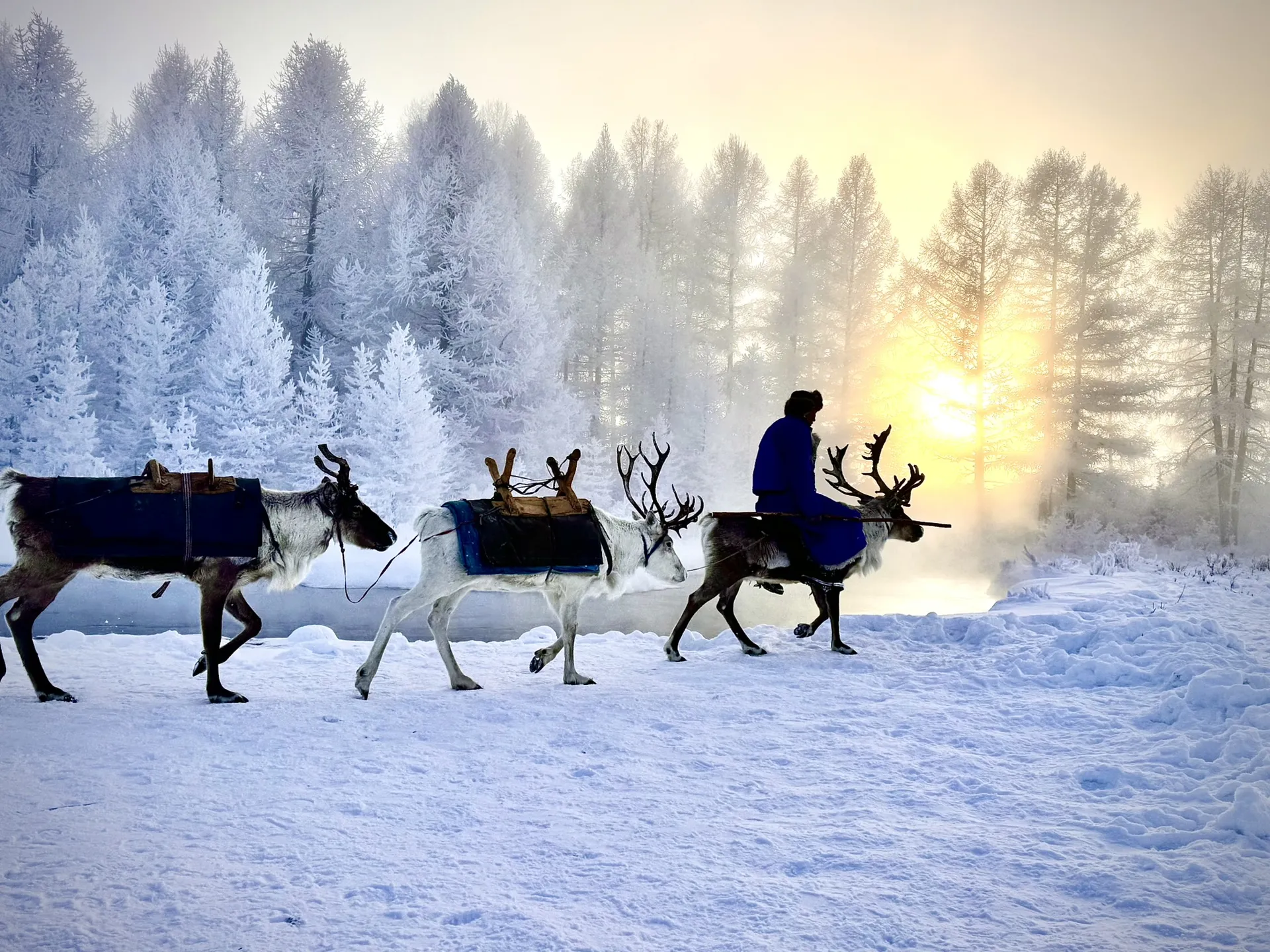
Northern Mongolia is particularly rewarding. The Darkhad Valley, Khuvsgul region and remote taiga offer frozen rivers, snowy mountains, forests and opportunities to experience how local communities live through the Mongolian winter.
January can also be exceptional for photographers because of the low winter light, snow-covered landscapes and almost complete absence of mass tourism.
Best for:
Winter expeditions, photography, reindeer-herding culture, snow landscapes and adventurous travelers.
Keep in mind:
Expect genuine cold and prepare with proper winter clothing. Flexible planning is important because winter conditions can affect road travel.
FEBRUARY – WINTER FESTIVALS AND LONGER DAYS
February remains firmly winter, but daylight gradually increases.
It is one of the most interesting months for travelers who want a combination of frozen landscapes and cultural events.
Northern Mongolia remains spectacular, while Lake Khuvsgul is frozen during the winter season.
Depending on annual schedules, winter festivals and local celebrations can create opportunities to experience traditional games, horse culture, ice activities and community gatherings.
For travelers who want to visit reindeer-herding communities, February can also be a rewarding period for a carefully planned northern expedition.
Best for:
Winter festivals, frozen Lake Khuvsgul, photography, reindeer herders and winter adventure.
Keep in mind:
Festival dates can vary, and Mongolia remains extremely cold. Winter journeys should be planned around realistic driving times and weather conditions.
MARCH – THE TRANSITION FROM DEEP WINTER
March is a transition month.
Winter does not suddenly disappear when the calendar changes. Snow and freezing temperatures can continue, particularly in northern and mountainous regions.
At the same time, days become noticeably longer.
March can appeal to experienced travelers who are comfortable with unpredictable conditions and want to see Mongolia outside the normal tourism season.
It can also be an interesting period for photography and cultural travel, but visitors should not expect the green landscapes associated with summer.
Best for:
Off-season travel, photographers and travelers comfortable with changing weather.
Keep in mind:
Conditions can vary enormously between regions. March is not usually our first recommendation for a first-time visitor wanting a classic Mongolia journey.
APRIL – QUIET, WINDY AND TRULY OFF-SEASON
April is one of Mongolia's least conventional travel months.
Spring is arriving, but the countryside may still look dry after the long winter. Strong winds are common, and weather can change quickly.
The advantage is almost complete freedom from tourist crowds.
Travelers interested primarily in culture, research, specialized photography or a very quiet journey may find April fascinating.
For most first-time leisure travelers, however, waiting until May or June generally provides a more comfortable introduction to Mongolia.
Best for:
Special-interest travelers, cultural experiences and off-season exploration.
Keep in mind:
Expect wind, large temperature changes and limited seasonal tourism infrastructure in some regions.
MAY – THE TRAVEL SEASON BEGINS
May is an underrated time to visit Mongolia.
The country begins waking from winter, days become warmer and overland travel becomes increasingly practical.
There are fewer international visitors than in June, July and August, making May attractive for travelers who prefer quieter destinations.
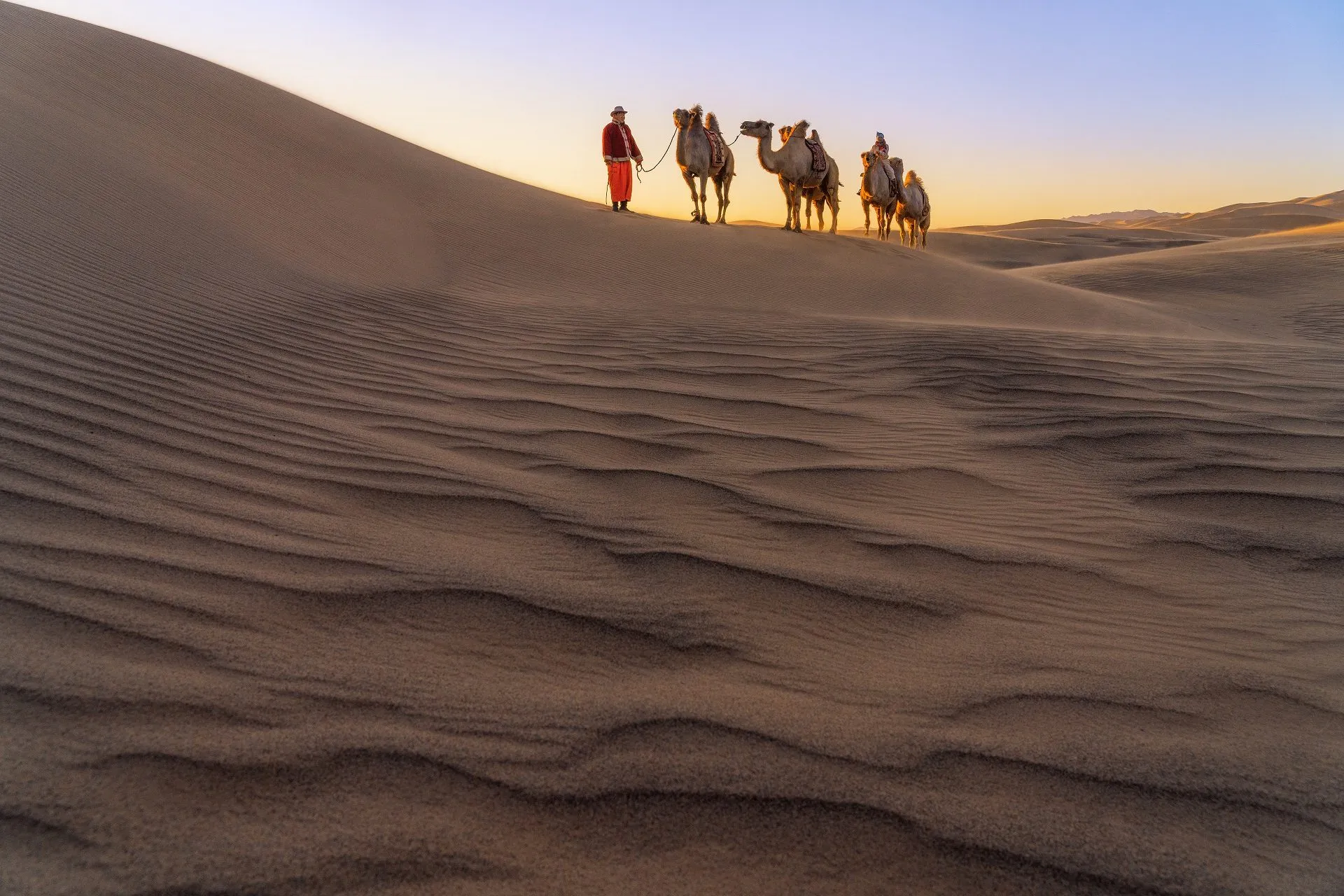
The Gobi Desert can be particularly interesting during late spring. Temperatures are generally more comfortable than during the hottest part of summer, although mornings and nights may still be cold.
Central Mongolia also begins opening up for overland journeys.
Best for:
Gobi Desert tours, cultural travel, fewer crowds and early-season adventures.
Keep in mind:
The landscape may not yet have the deep green colors of summer, particularly early in the month. Nights can still be cold.
JUNE – GREEN LANDSCAPES AND LONG DAYS
June is one of the best all-round months for visiting Mongolia.
The countryside begins turning green, temperatures become more comfortable and the long daylight hours allow travelers to enjoy more time outdoors.
It is an excellent month for Central Mongolia, the Gobi Desert, national parks and journeys toward Lake Khuvsgul.
Horse riding, hiking, nomadic family visits and camping experiences become increasingly enjoyable.
June also comes before the busiest period around Naadam, so travelers can experience many of Mongolia's famous destinations with fewer visitors than in July.
Best for:
First-time visitors, families, Gobi tours, Central Mongolia, Khuvsgul, hiking, horseback riding and photography.
Keep in mind:
Mongolian weather is always changeable. Even in summer, travelers should carry warm layers and a light waterproof jacket.
JULY – NAADAM AND PEAK SUMMER
July is Mongolia's most famous travel month.
The reason is Naadam.
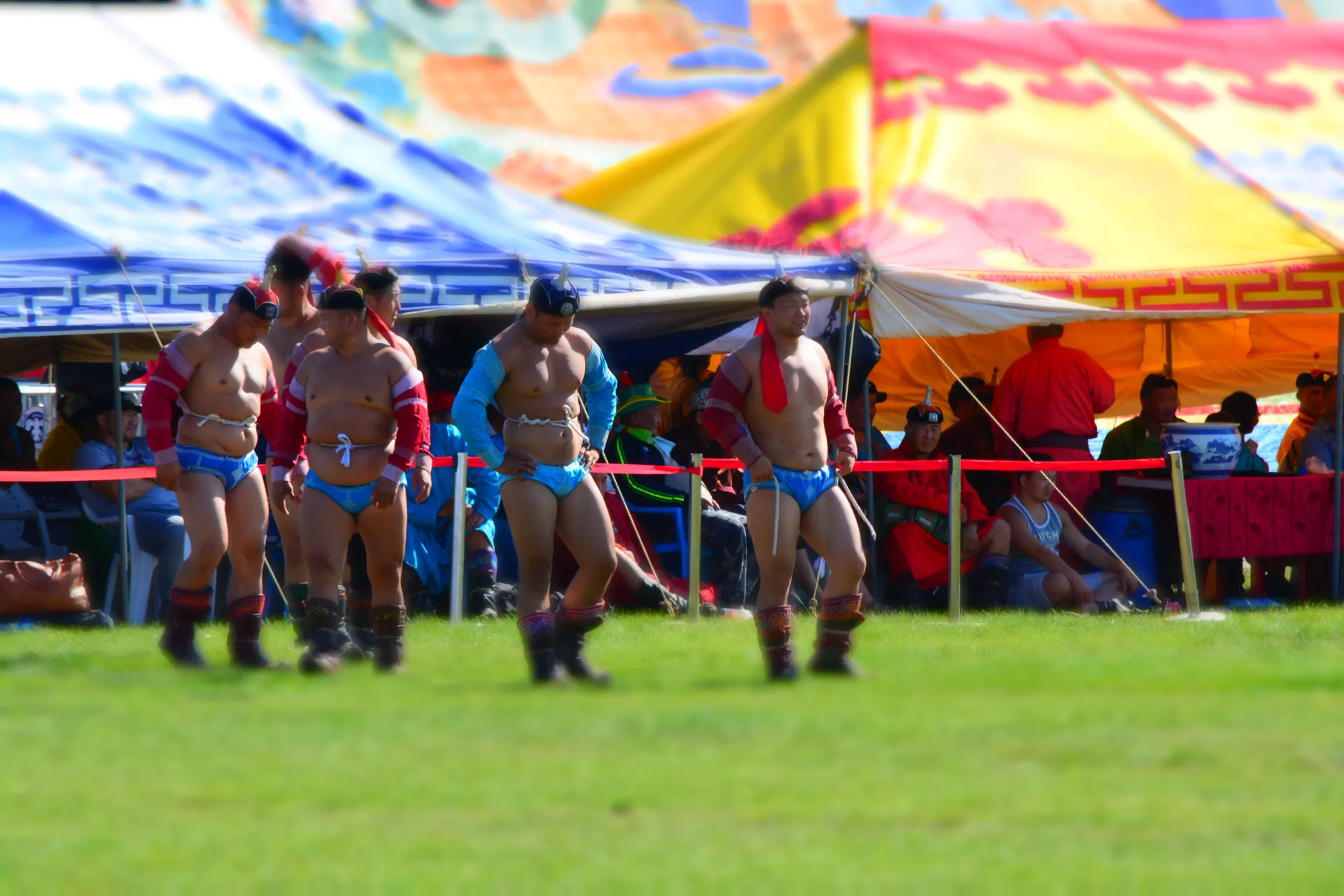
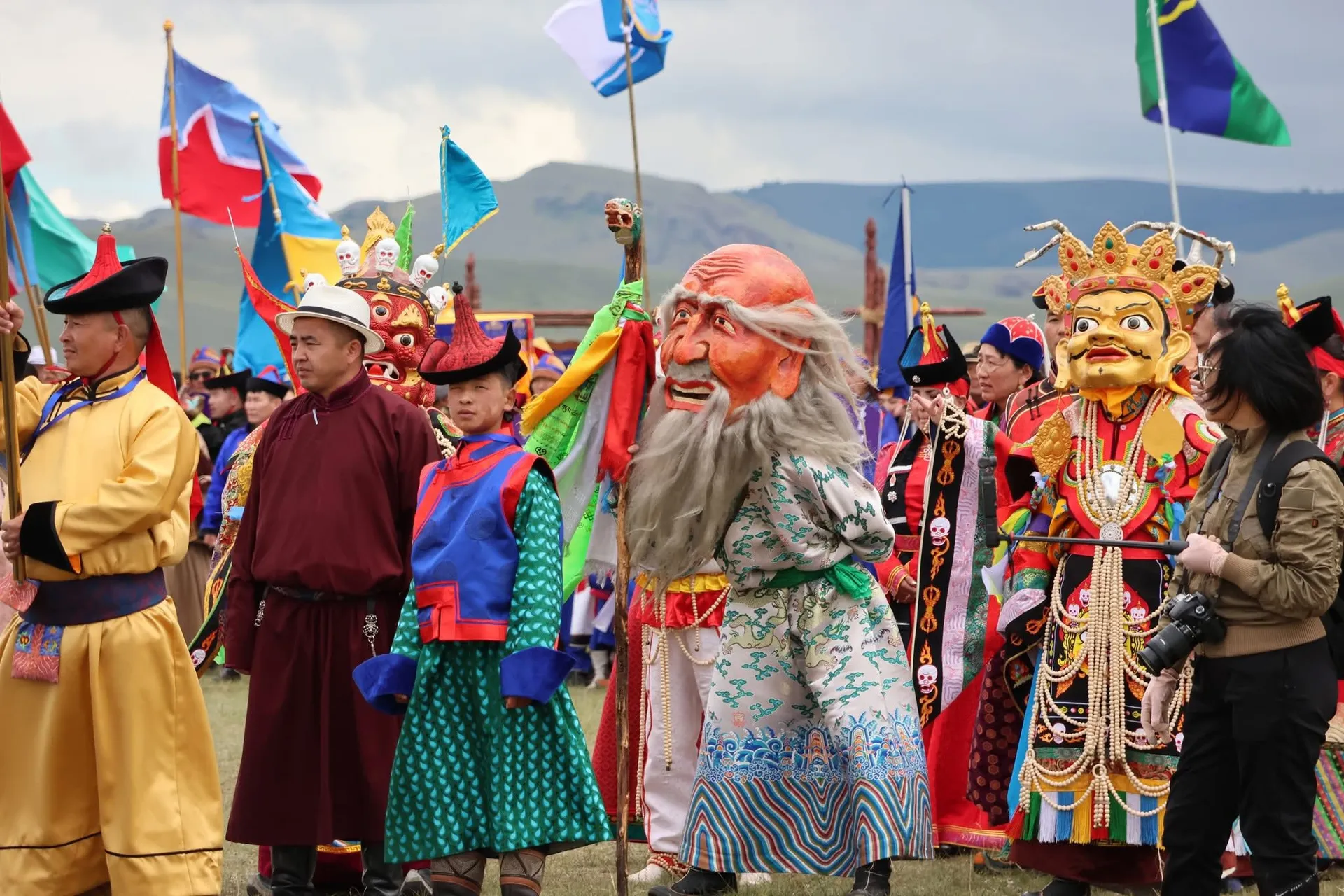
Mongolia's national festival celebrates traditional wrestling, horse racing and archery, along with music, national dress, ceremonies and a powerful sense of national pride.
For international travelers, experiencing Naadam can become one of the highlights of an entire Mongolia journey.
July also brings warm summer weather and green countryside across much of the country.
Almost every major tourism region is accessible, from the Gobi Desert and Central Mongolia to Lake Khuvsgul and Western Mongolia.
However, July is also peak season.
Hotels, quality ger camps, experienced guides, vehicles and domestic flights can become heavily booked, especially around Naadam.
If you want to travel during Naadam, early planning is strongly recommended.
Best for:
Naadam Festival, first-time visitors, families, cultural experiences and classic Mongolia tours.
Keep in mind:
This is one of the busiest periods of the year. Book well ahead, particularly if your itinerary requires domestic flights or specific accommodation.
AUGUST – SUMMER ADVENTURE ACROSS MONGOLIA
August remains one of Mongolia's best months for broad overland exploration.
The countryside is generally still green, temp
eratures are comfortable and almost all major routes remain accessible.
This is an excellent period for longer journeys combining several regions.
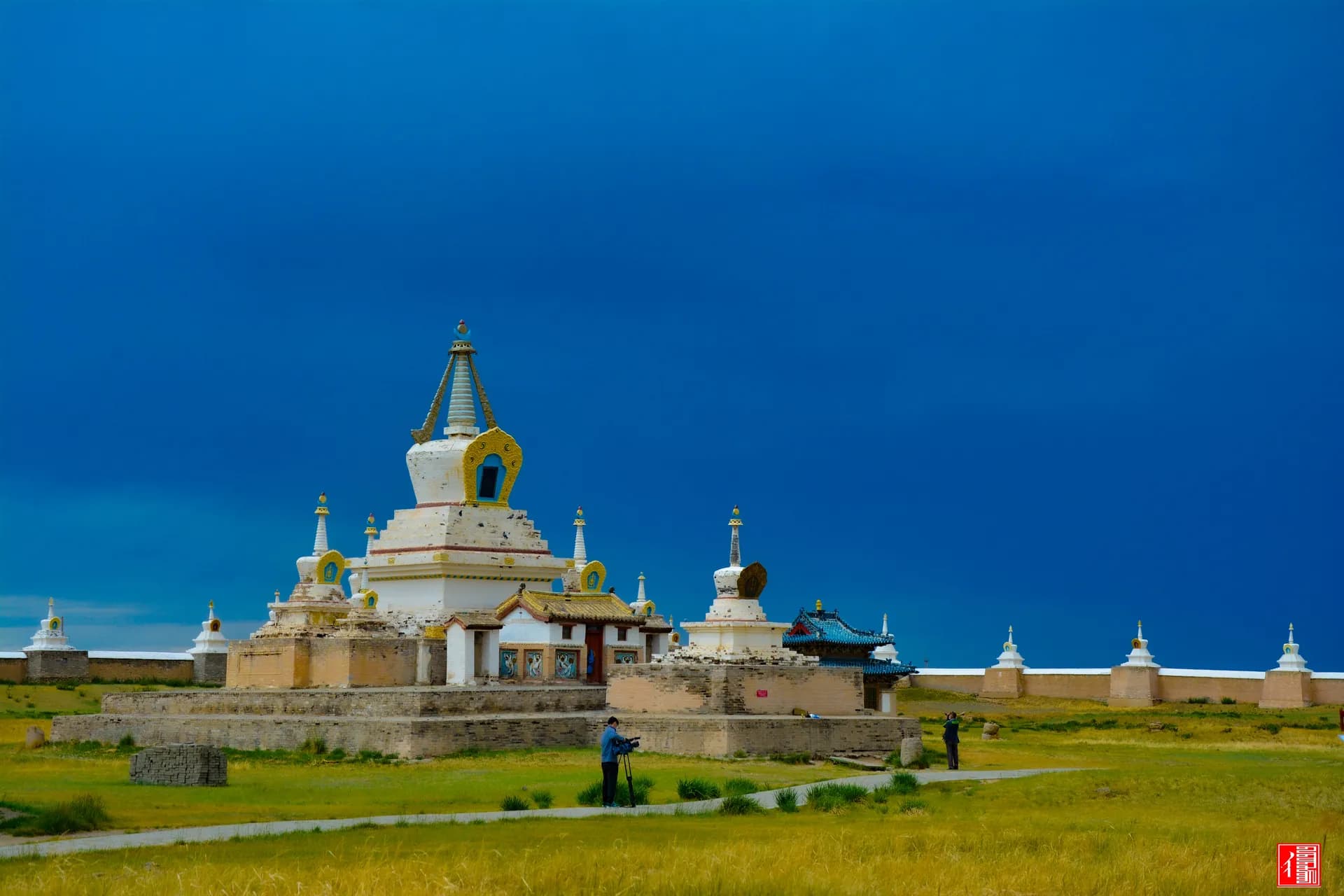
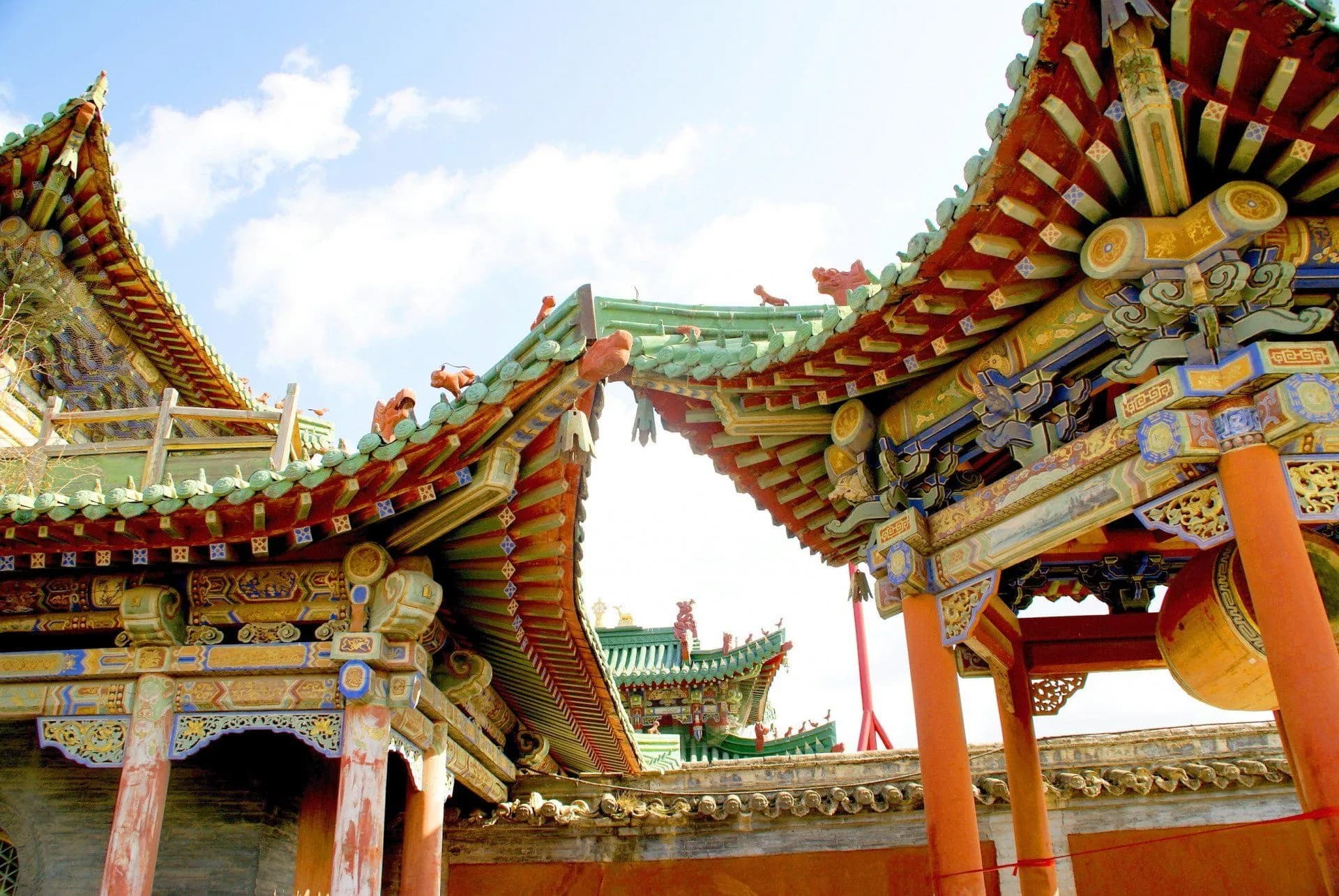
Travelers can explore the Gobi Desert, Orkhon Valley, Kharkhorin, Lake Khuvsgul, volcanic landscapes and remote nomadic areas in a single journey.
August is also an excellent month for horseback adventures.
For travelers who have two weeks or more, this can be one of the strongest months for seeing Mongolia's geographical diversity.
Best for:
Long overland journeys, families, horseback riding, hiking, Gobi, Central Mongolia and Khuvsgul.
Keep in mind:
Summer showers are possible, and temperatures can vary greatly between the Gobi, central steppe and northern mountains.
SEPTEMBER – AUTUMN COLORS, PHOTOGRAPHY AND EAGLE CULTURE
September is one of our favorite months to travel in Mongolia.
The busiest summer period begins to fade, temperatures become cooler and the landscape gradually changes color.
For photographers, the softer autumn light and changing vegetation can create beautiful conditions.
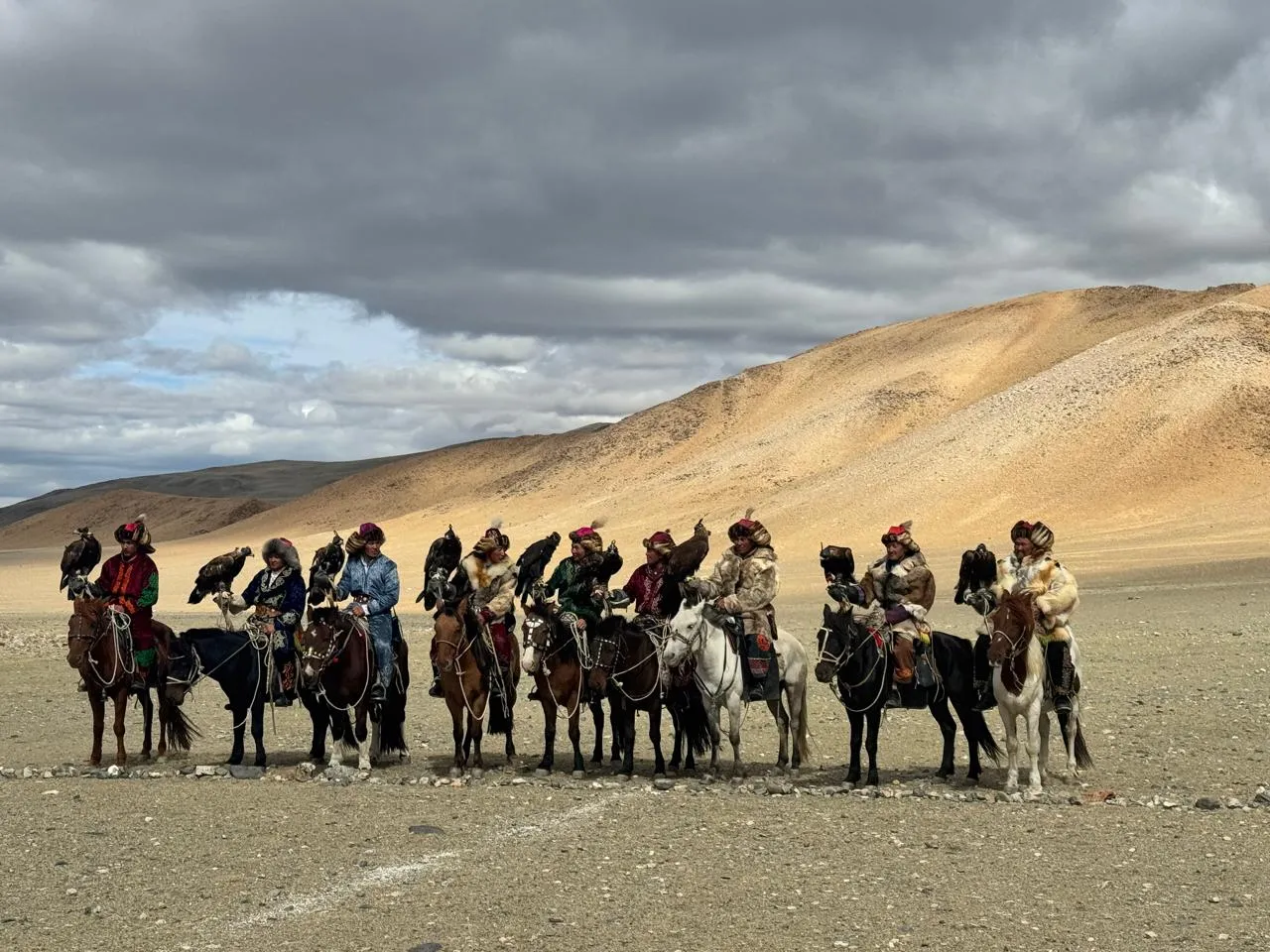
September is particularly important in Western Mongolia, where Kazakh eagle hunting culture becomes an increasingly important part of the travel season.
Travelers interested in eagle hunters, Altai landscapes and cultural photography should strongly consider September and early October.
The Gobi Desert can also be excellent in September, with cooler daytime temperatures than midsummer.
Best for:
Photography, Golden Eagle experiences, Western Mongolia, Gobi Desert, couples and travelers seeking fewer crowds.
Keep in mind:
Nights become colder quickly. Warm clothing is essential, particularly in the Altai Mountains.
OCTOBER – GOLDEN EAGLES AND THE ARRIVAL OF COLD WEATHER
October marks the transition toward winter.
Temperatures fall considerably, particularly at night, and snow can arrive in mountainous regions.
For most conventional Mongolia itineraries, the main summer travel season is ending.
Western Mongolia, however, can be exceptional.
The Golden Eagle Festival season brings Kazakh eagle hunters together in the Altai region, creating one of Mongolia's most distinctive cultural experiences.
Travelers coming specifically for eagle hunting traditions often consider late September and early October among the most rewarding periods of the year.
Best for:
Golden Eagle Festival, Kazakh culture, photography and Western Mongolia.
Keep in mind:
Do not pack as though you are traveling in summer. Cold mornings, wind and possible snow should be expected.
NOVEMBER – THE BEGINNING OF TRUE WINTER
By November, Mongolia has entered winter.
The landscape becomes increasingly frozen and tourist numbers fall dramatically.
This is when specialized winter expeditions begin.
Northern Mongolia can become particularly beautiful as rivers freeze, snow settles in the valleys and the taiga enters its winter rhythm.
For adventurous travelers and photographers, November offers the opportunity to experience a Mongolia that relatively few international visitors ever see.
Best for:
Winter expeditions, photographers, northern Mongolia, cultural immersion and travelers seeking solitude.
Keep in mind:
Many conventional summer ger camps will be closed. Winter travel requires different logistics, accommodation and preparation.
DECEMBER – SNOW, SILENCE AND WINTER PHOTOGRAPHY
December offers one of Mongolia's most atmospheric travel experiences.
Snow-covered steppe, frozen rivers, long nights and clear winter skies create a landscape dramatically different from summer.
Northern Mongolia and the Darkhad Valley can be particularly striking.
Travel during this season is less about ticking off famous attractions and more about experiencing the environment itself: frozen wilderness, winter nomadic life, quiet villages and the extraordinary scale of the landscape.
December can also be excellent for travelers who want unusual Christmas or New Year travel far away from conventional destinations.
Best for:
Winter photography, snow landscapes, reindeer-herding culture, private expeditions and unusual holiday travel.
Keep in mind:
December is extremely cold. Good equipment and an experienced local team are essential for remote journeys.
BEST TIME TO VISIT THE GOBI DESERT
For many travelers, May, June, September and early October provide particularly attractive conditions for exploring the Gobi Desert.
July and August are also major travel months, but daytime temperatures can be warmer.
The Gobi is not simply an endless sandy desert.
A journey through the region can include Yolyn Am, the Khongor Sand Dunes, Bayanzag Flaming Cliffs, rocky mountains, open desert steppe and encounters with camel-herding families.
Travelers should also remember that the Gobi can be surprisingly cold at night, even outside winter.
BEST TIME FOR THE NAADAM FESTIVAL
Travel in July if experiencing Naadam is one of your main reasons for visiting Mongolia.
The principal national celebrations are centered around July 11, with major sporting and cultural events taking place around the festival period.
Because this is also Mongolia's busiest tourism season, arrange your journey well in advance.
Do not plan to arrive at the last moment if Naadam is the main purpose of your trip.
BEST TIME FOR THE GOLDEN EAGLE FESTIVAL
Late September and early October are the key period for travelers interested in Western Mongolia's famous Golden Eagle Festival season.
The festivals provide an opportunity to see Kazakh eagle hunters gather with their trained golden eagles and celebrate a tradition passed through generations.
However, the festival itself should not be the only reason to visit.
Spending time with an eagle hunter family and exploring the Altai region can provide a much deeper understanding of the culture than simply attending the competition.
BEST TIME TO VISIT LAKE KHUVSGUL
For a classic summer journey, June through September is generally the most practical period for Lake Khuvsgul.
Summer brings hiking, horseback riding, forest landscapes and beautiful views across one of Mongolia's most spectacular lakes.
Winter creates an entirely different experience.
The lake freezes, temperatures fall dramatically and the region becomes a destination for specialized winter travel and the Ice Festival period.
BEST TIME FOR HORSEBACK RIDING
June through September generally offers the widest range of horseback journeys.
Central Mongolia, the Orkhon Valley, Khan Khentii and northern regions provide excellent riding opportunities.
Multi-day wilderness rides should always be designed around the experience level of the riders, weather, local horse conditions and realistic daily distances.
Horse riding in Mongolia is not simply a tourist activity. Horses remain deeply connected with nomadic life and Mongolian culture.
BEST TIME FOR PHOTOGRAPHY
Mongolia can be photographed throughout the year.
The question is what you want to photograph.
June and July:
Green landscapes, nomadic life and Naadam.
August:
Summer landscapes, horses and broad overland expeditions.
September and October:
Autumn colors, eagle hunters and Altai culture.
December to February:
Snow, frozen landscapes, winter nomadic life and reindeer herders.
For serious photographers, avoiding the most obvious "perfect weather" season can sometimes produce the most interesting images.
SHOULD YOU AVOID MONGOLIA IN WINTER?
Not necessarily.
You should avoid winter if you dislike extreme cold or expect the comfort and infrastructure of a conventional summer holiday.
But for the right traveler, winter can be extraordinary.
Mongolia becomes quieter, more dramatic and more intimate.
The experience requires proper preparation, realistic expectations and experienced local support, particularly when traveling into northern or remote regions.
Winter should therefore be treated as a completely different Mongolia experience rather than simply an off-season version of summer.
SO, WHAT IS THE BEST MONTH TO VISIT MONGOLIA?
If this is your first trip and you want the broadest choice of experiences, we generally recommend June, July, August or September.
Choose June for long days, greener landscapes and fewer peak-season crowds.
Choose July for Naadam and the full energy of Mongolian summer.
Choose August for long overland adventures, horseback riding and exploring several regions.
Choose September for cooler weather, photography, the Gobi and Western Mongolia's eagle hunting culture.
Choose winter if you are looking for something completely different.
There is no wrong season when the journey matches the traveler.
WHY LOCAL EXPERIENCE MATTERS WHEN CHOOSING YOUR TRAVEL DATES
A date that looks perfect on a weather chart is not necessarily the best date for a real journey through Mongolia.
Road conditions, domestic flight schedules, festival dates, ger camp opening periods, livestock movements, local conditions and driving distances can all influence an itinerary.
This is particularly important when combining several regions.
Mongolia is enormous, and trying to include too much in too little time can turn an extraordinary journey into a series of long driving days.
A good itinerary should be designed around the season rather than forcing the same itinerary to operate throughout the year.
Nomadic of the Blue Sky has been organizing journeys throughout Mongolia since 2010.
Over the years, we have learned that the best Mongolia trips are not necessarily the ones with the longest list of destinations. They are the journeys designed for the right season, with realistic travel times and enough flexibility to actually experience the country.
Whether you want to cross the Gobi Desert, experience Naadam, ride horses through the steppe, explore Lake Khuvsgul, meet Kazakh eagle hunters or travel into the northern winter wilderness, the first step is choosing the right time.
Tell us when you are considering traveling, how many days you have and what you most want to experience.