Karakorum was once the political, commercial and cultural centre of the Mongol Empire. Today, its archaeological remains lie beside the modern town of Kharkhorin in Central Mongolia, surrounded by open grasslands and the historic landscape of the Orkhon Valley.
The city may no longer display the monumental architecture that travelers expect from an imperial capital, but its historical importance is immense. From Karakorum, Mongol rulers governed an empire connecting large parts of Asia and Europe. Diplomats, merchants, craftspeople and religious representatives from different regions passed through its streets.
A visit to Karakorum is therefore not about seeing a perfectly preserved ancient city. It is about standing in the landscape where the Mongol Empire developed an international capital and understanding how a nomadic civilization connected distant cultures.
Karakorum is an essential stop on many Central Mongolia tours, usually combined with Erdene Zuu Monastery, the Orkhon Valley and nearby nomadic communities.
Karakorum, Kharkhorum or Kharkhorin?
Travelers may encounter several spellings of the same historical name, including Karakorum, Kharakhorum and Kharkhorum. The modern town beside the ancient capital is commonly called Kharkhorin.
“Karakorum” is widely used in English-language historical and travel writing, while “Kharkhorin” usually refers to the present-day town.
This guide uses Karakorum when discussing the ancient imperial capital and Kharkhorin when referring specifically to the modern settlement.
The History of Karakorum
The Orkhon Valley had already been important to earlier nomadic states before the rise of the Mongol Empire. Its grasslands, river systems and position across the central steppe made it a valuable location for political centres and seasonal pastoral life.
Chinggis Khaan established an important base in the Karakorum area in the early 13th century. His son and successor, Ögedei Khan, developed it into the formal capital of the Mongol Empire. Major construction was completed during Ögedei’s reign in the 1230s.
Karakorum became an administrative and diplomatic centre linking the empire’s vast territories. Goods, ideas and skilled workers arrived from different parts of Asia, the Middle East and Europe.
The city represented an unusual meeting point between the nomadic traditions of the Mongol rulers and the settled urban cultures incorporated into their empire.
A Cosmopolitan Capital on the Steppe
Medieval accounts describe Karakorum as a diverse international settlement. Its population included Mongols as well as merchants, craftspeople, officials and religious communities from across the empire.
Buddhists, Muslims, Christians and followers of other traditions lived or worshipped within the city. This diversity reflected the wider Mongol Empire, which connected regions with different languages, economies and religious practices.
Karakorum was not the empire’s largest city, and it should not be imagined as a modern urban centre. Its importance came from its political function, strategic location and ability to bring distant parts of the empire together.
The city was also connected to trade networks extending across Eurasia. Luxury goods, textiles, metals, ceramics and other materials reached Karakorum through the empire’s roads and relay systems.
Visitors interested in the wider historical landscape should also read our Orkhon Valley Mongolia travel guide.
What Happened to Karakorum?
Karakorum’s period as the main imperial capital was relatively brief.
During the reign of Kublai Khan, the political centre of the empire moved toward northern China. Kublai established his capital at Dadu, the city that later developed into Beijing.
Karakorum remained important after the transfer of the capital, but its political influence declined. The city experienced periods of conflict and destruction, and much of its architecture eventually disappeared.
Centuries later, stone and building materials from the old city were reportedly reused in new structures, including the nearby Erdene Zuu Monastery.
Today, archaeological research continues to reveal the organization and extent of the ancient capital. The surviving landscape, excavated objects and museum displays help visitors imagine a city that once connected much of the known world.
What Can You See in Karakorum Today?
Very little of the original imperial city remains standing above ground. Travelers should arrive with realistic expectations.
Karakorum is not a destination filled with intact palaces and defensive towers. Its value lies in its archaeological landscape, museum collections, monuments and historical context.
A knowledgeable guide makes a significant difference here. Without an explanation of the city’s former layout and importance, the open ground can appear deceptively empty.
Karakorum Museum
The Karakorum Museum is one of the best places to begin a visit. Its collections introduce the history of the Orkhon Valley and display objects connected with the ancient capital and surrounding archaeological sites.
Exhibits may include ceramics, coins, tools, decorative objects, stonework and models showing how researchers understand the former city.
Visiting the museum before exploring the archaeological landscape helps travelers interpret what they see outside. It also places Karakorum within the broader history of earlier steppe empires and the Mongol period.
The Stone Turtles
Large stone turtle sculptures are among the most recognizable monuments associated with Karakorum.
In East Asian traditions, stone turtles were often used as bases for important inscriptions or memorials. Their presence reflects the international artistic and cultural influences that reached the Mongol capital.
The surviving stone turtles also help indicate the historical area of the city. Visitors should avoid climbing on or damaging these monuments.
Archaeological Remains
Excavations and modern surveys have helped researchers map roads, buildings, workshops and other features of Karakorum.
Many remains are subtle and may consist of foundations, raised ground or protected excavation areas. This makes the site different from a reconstructed historical attraction.
The surrounding steppe is part of the experience. Looking across the landscape helps visitors understand how an imperial centre could develop within a region still defined by pasture, livestock and seasonal movement.
Erdene Zuu Monastery
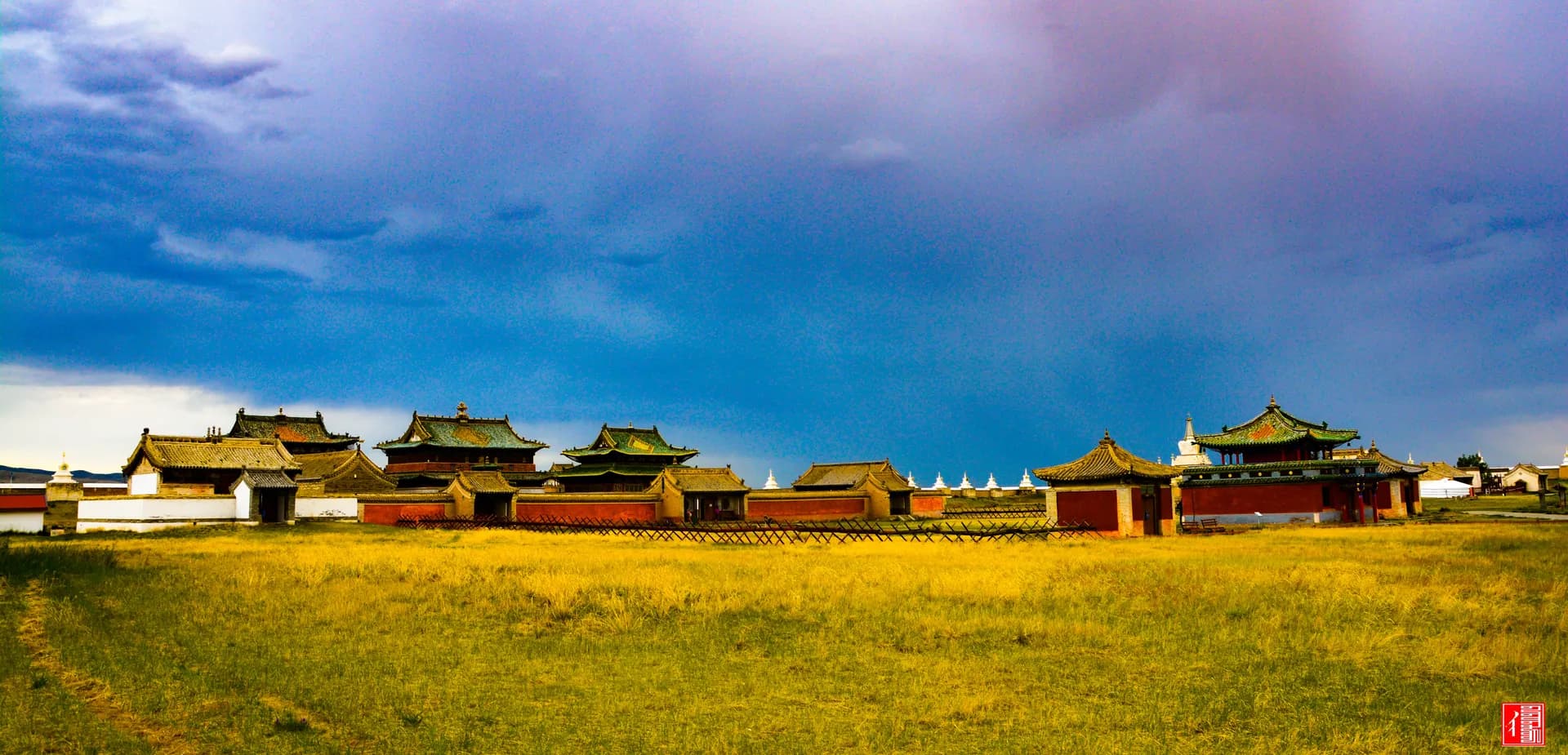
Erdene Zuu Monastery stands beside the ruins of Karakorum and is usually visited on the same day.
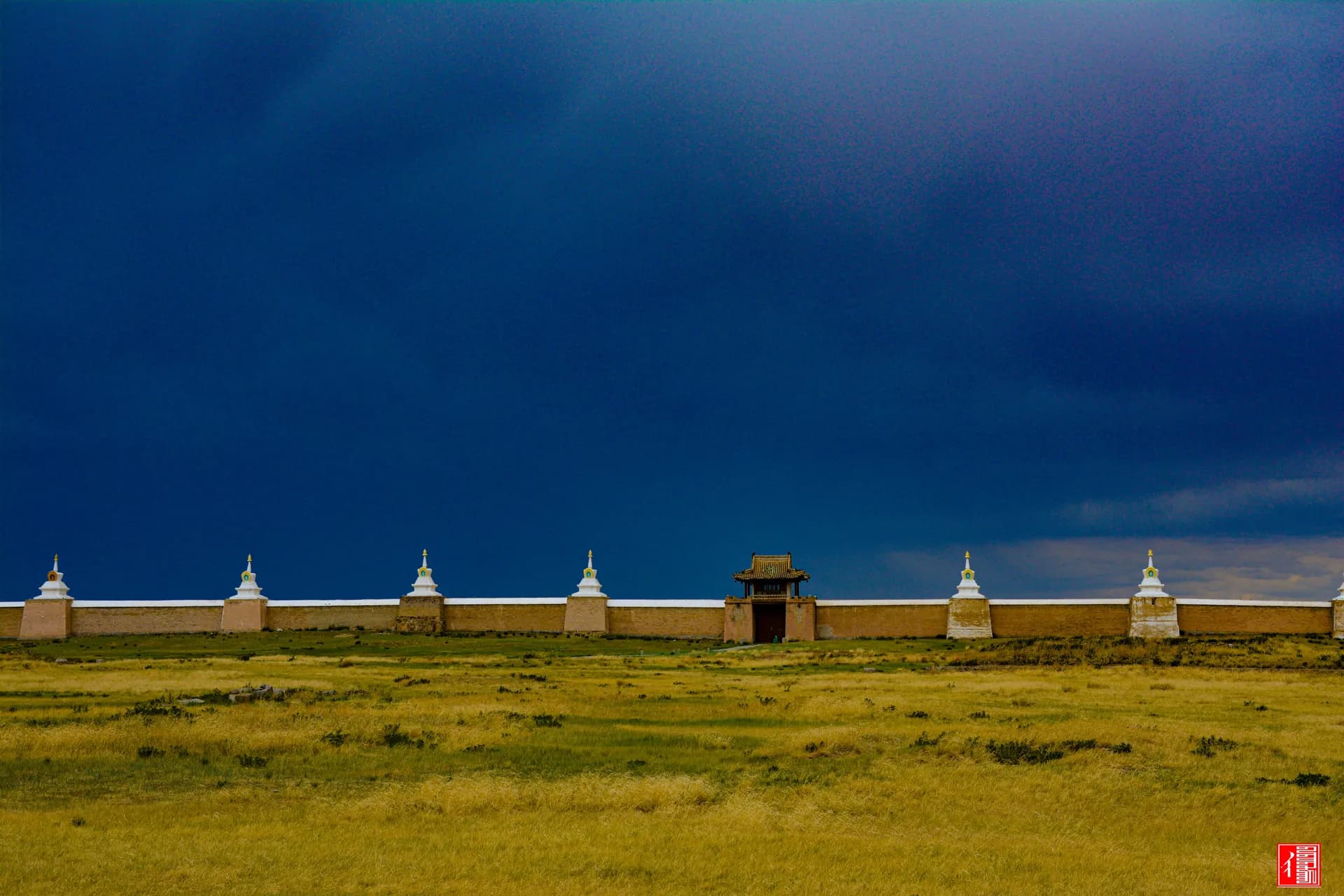
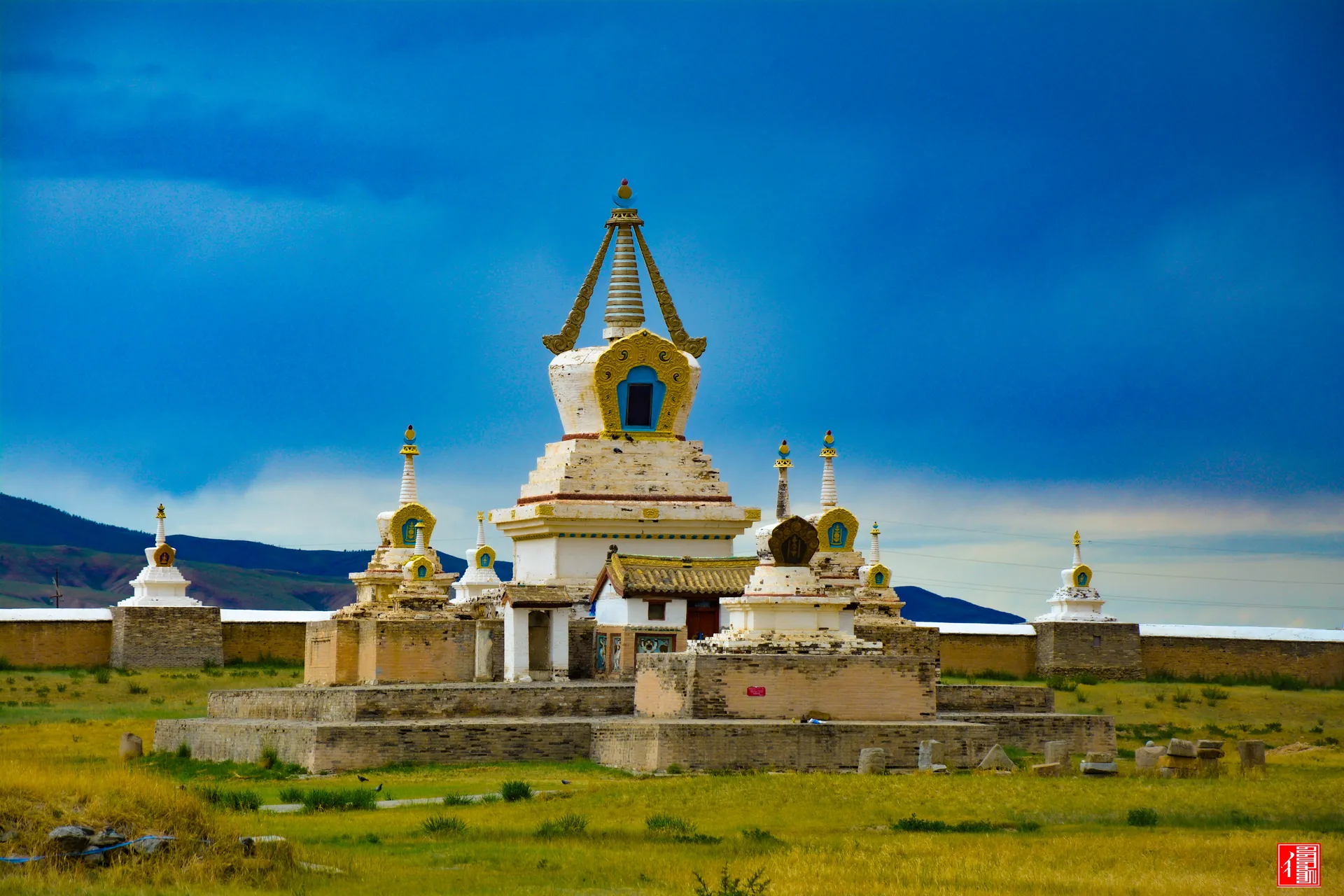
Founded in the late 16th century, it is generally regarded as Mongolia’s oldest surviving Buddhist monastery. Its white outer wall, lined with stupas, is one of Central Mongolia’s most recognizable sights.
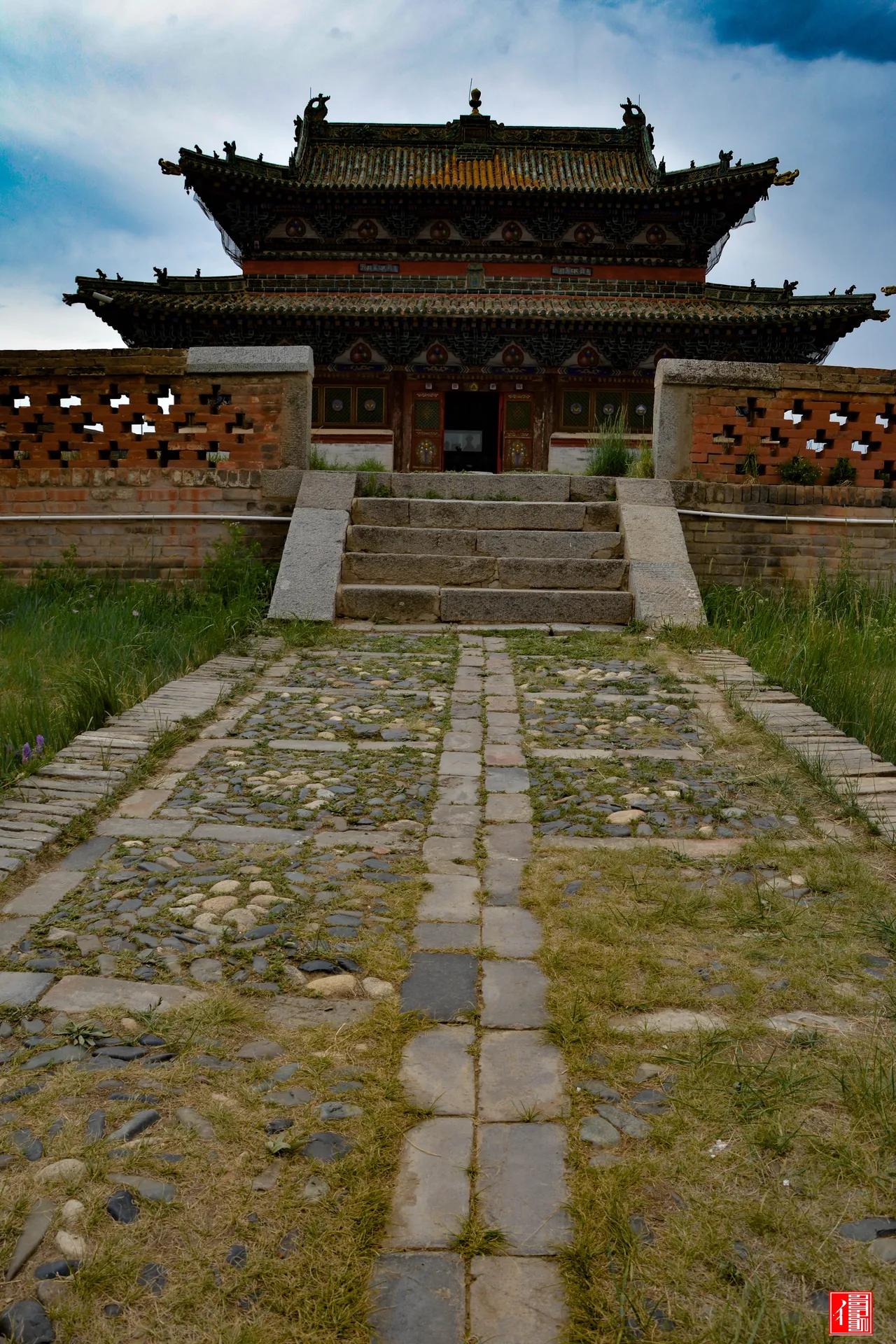
Inside the complex are historic temples, religious artwork and active places of worship. Some sections operate as a museum, while others remain connected to religious life.
Visitors should dress respectfully, speak quietly and follow local rules about photography inside the temples.
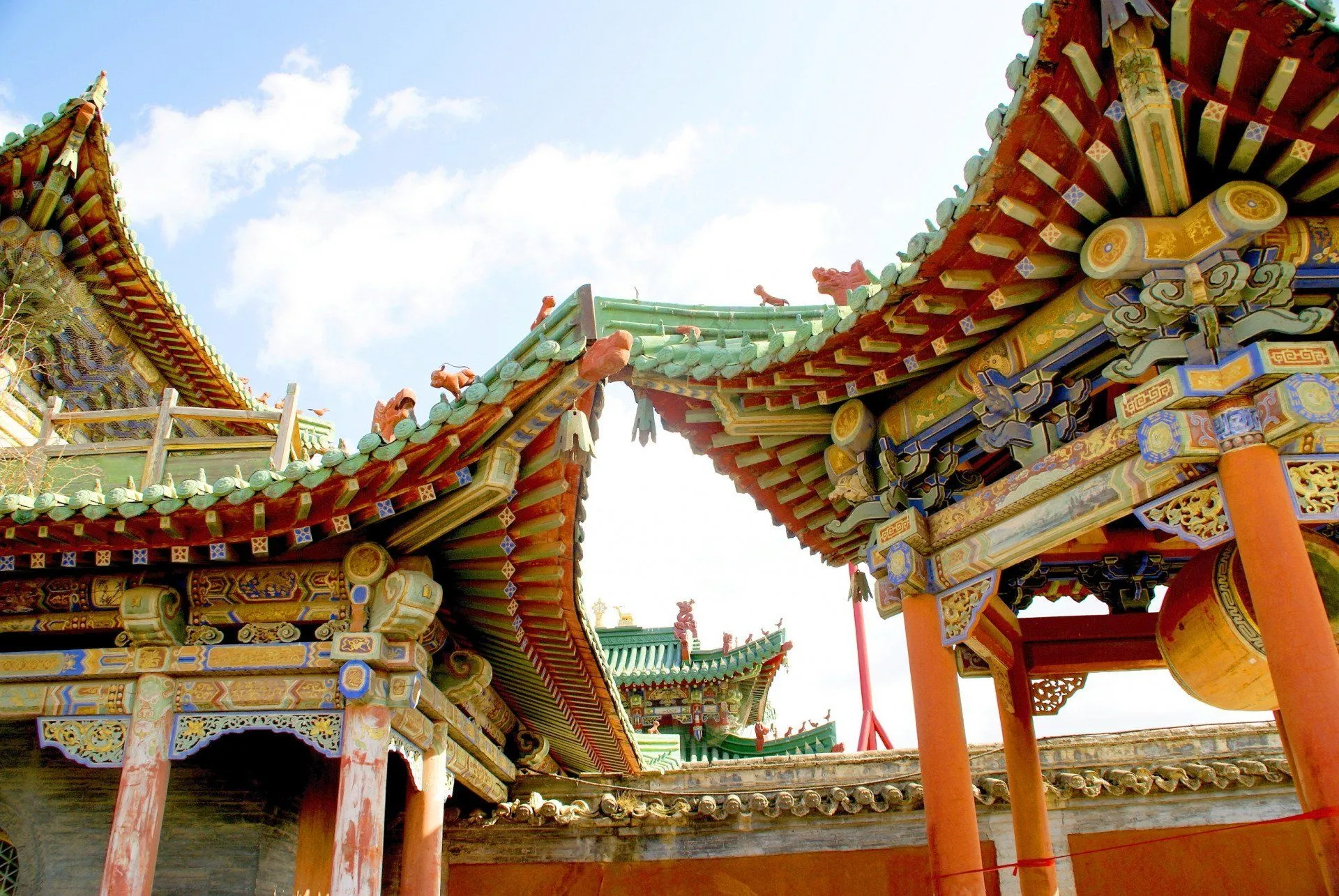
Karakorum and the Orkhon Valley
Karakorum is part of the UNESCO-listed Orkhon Valley Cultural Landscape. The protected area recognizes both archaeological heritage and the continuing nomadic pastoral traditions of Central Mongolia.
This relationship is important. Karakorum did not exist separately from the grasslands around it. The valley supplied pasture, water, livestock and access to travel routes across the steppe.
Modern visitors can still see herding families moving livestock through the surrounding countryside. Horses, sheep, goats, cattle and yaks remain central to the local economy and way of life.
For many travelers, the strongest Central Mongolia journey combines the history of Karakorum with time in the wider valley rather than treating the ancient capital as an isolated roadside stop.
How Far Is Karakorum from Ulaanbaatar?
Karakorum is approximately 360 kilometres from Ulaanbaatar by the usual overland route. Driving time varies according to traffic, weather, road conditions and stops.
Although it is possible to reach Kharkhorin in a long day, travelling there and returning immediately would leave very little time for the museum, monastery and surrounding landscape.
At least one overnight stay is recommended. A longer itinerary can continue toward the Orkhon Valley, Orkhon Waterfall, Tsenkher Hot Springs, Ogii Lake or Elsen Tasarkhai.
Travelers who want flexible daily timing and fewer rushed stops can consider our Private Mongolia Tours.
How Long Should You Spend in Karakorum?
One full day is usually enough to visit the main historical attractions in Karakorum and Erdene Zuu Monastery.
However, two nights in the area provide a more relaxed experience. This allows travelers to visit the museum without rushing, explore the monastery, enjoy the evening landscape and potentially meet a local family.
Karakorum is most rewarding as part of a five-to-eight-day Central Mongolia journey. This gives enough time to connect the ancient capital with the living cultural landscape around it.
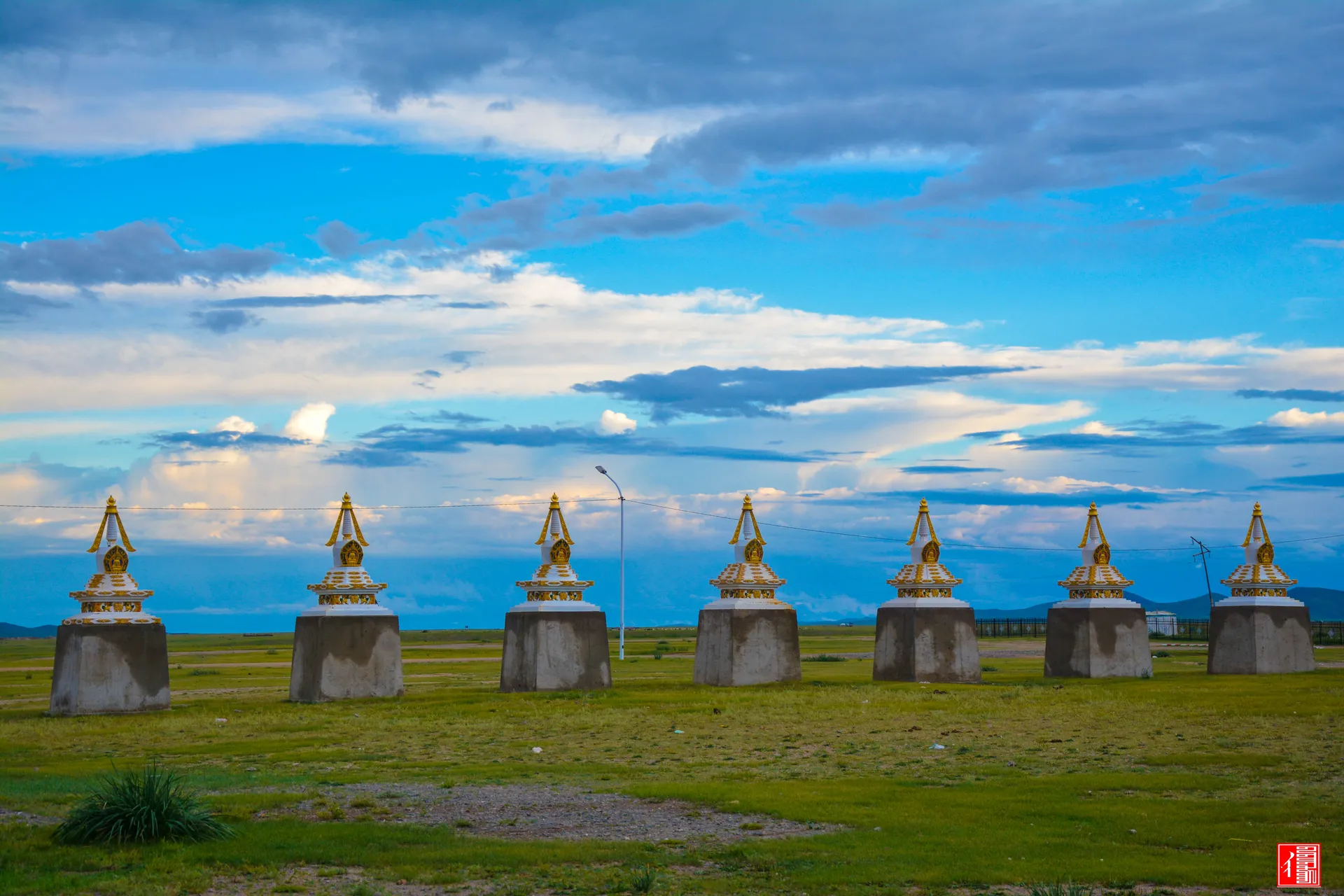
Best Time to Visit Karakorum
The main travel season is from June through September.
June brings green landscapes, young animals and long daylight hours. Nights can still be cold, especially outside town.
July and August are generally the warmest months. They are also the busiest period for visitors and ger camps.
Late August and September can offer clear skies, cooler temperatures and attractive autumn colours. This period is particularly suitable for travelers interested in photography.
Karakorum can be visited during winter, but temperatures are extremely low and some tourist facilities may be closed. Winter travel requires suitable vehicles, warm accommodation and careful planning.
For a detailed seasonal comparison, read our guide to the Best Time to Visit Mongolia.
Where to Stay
Kharkhorin has local hotels, guesthouses and tourist ger camps. Standards vary, so travelers should check whether a property offers private bathrooms, reliable hot water, heating and electricity.
Ger camps outside town provide a stronger connection to the surrounding landscape. They usually offer traditional gers with proper beds, a restaurant and shared bathroom facilities. Some camps provide ensuite or upgraded gers, but the number available is limited.
Travelers seeking a quieter experience may prefer a countryside camp rather than accommodation in the centre of town.
Practical Tips for Visiting Karakorum
Bring layers because temperatures can change quickly, even during summer. Sun protection, a windproof jacket and comfortable walking shoes are useful.
Carry some cash for small local purchases, as card payments may not always be available.
Ask before photographing monks, worshippers or people inside religious buildings. Photography may be prohibited in certain museum and temple areas.
Avoid touching archaeological objects or climbing on stone monuments. Karakorum is a protected historical landscape rather than an open playground.
A local guide is highly recommended. The site’s importance is easier to appreciate when its archaeological remains are connected to the people, events and trade networks of the Mongol Empire.
Planning a Journey to Karakorum
Karakorum works particularly well for travelers interested in history, archaeology, Buddhism and nomadic culture.
A practical itinerary usually combines Karakorum, Erdene Zuu and the Orkhon Valley with one or two additional Central Mongolia destinations. Trying to add too many regions can turn a meaningful historical journey into a series of long driving days.
Explore our Central Mongolia tours to compare journeys through Karakorum and the Orkhon Valley.
You can also send us your travel dates and interests, and our local team will recommend a realistic private itinerary.
Frequently Asked Questions
Is Karakorum the same place as Kharkhorin?
Karakorum refers to the ancient imperial capital. Kharkhorin is the modern town located beside its archaeological remains.
Who founded Karakorum?
Chinggis Khaan established an important base in the area. His son Ögedei Khan developed Karakorum into the formal capital of the Mongol Empire during the 1230s.
Can you still see the ancient city?
Very little of the original city remains standing above ground. Visitors can explore the archaeological landscape, museum collections, stone monuments and nearby Erdene Zuu Monastery.
How far is Karakorum from Ulaanbaatar?
Karakorum is approximately 360 kilometres from Ulaanbaatar. Actual driving time depends on traffic, weather, road conditions and stops.
How much time do I need in Karakorum?
One full day covers the main historical attractions. Two nights provide a more relaxed visit and make it easier to experience the surrounding countryside.
Is Erdene Zuu Monastery part of Karakorum?
Erdene Zuu stands beside the ruins of ancient Karakorum and is closely connected with the site’s later history. The monastery and ancient capital are normally visited together.
Is Karakorum included in the UNESCO World Heritage Site?
Yes. Karakorum forms part of the UNESCO-listed Orkhon Valley Cultural Landscape.