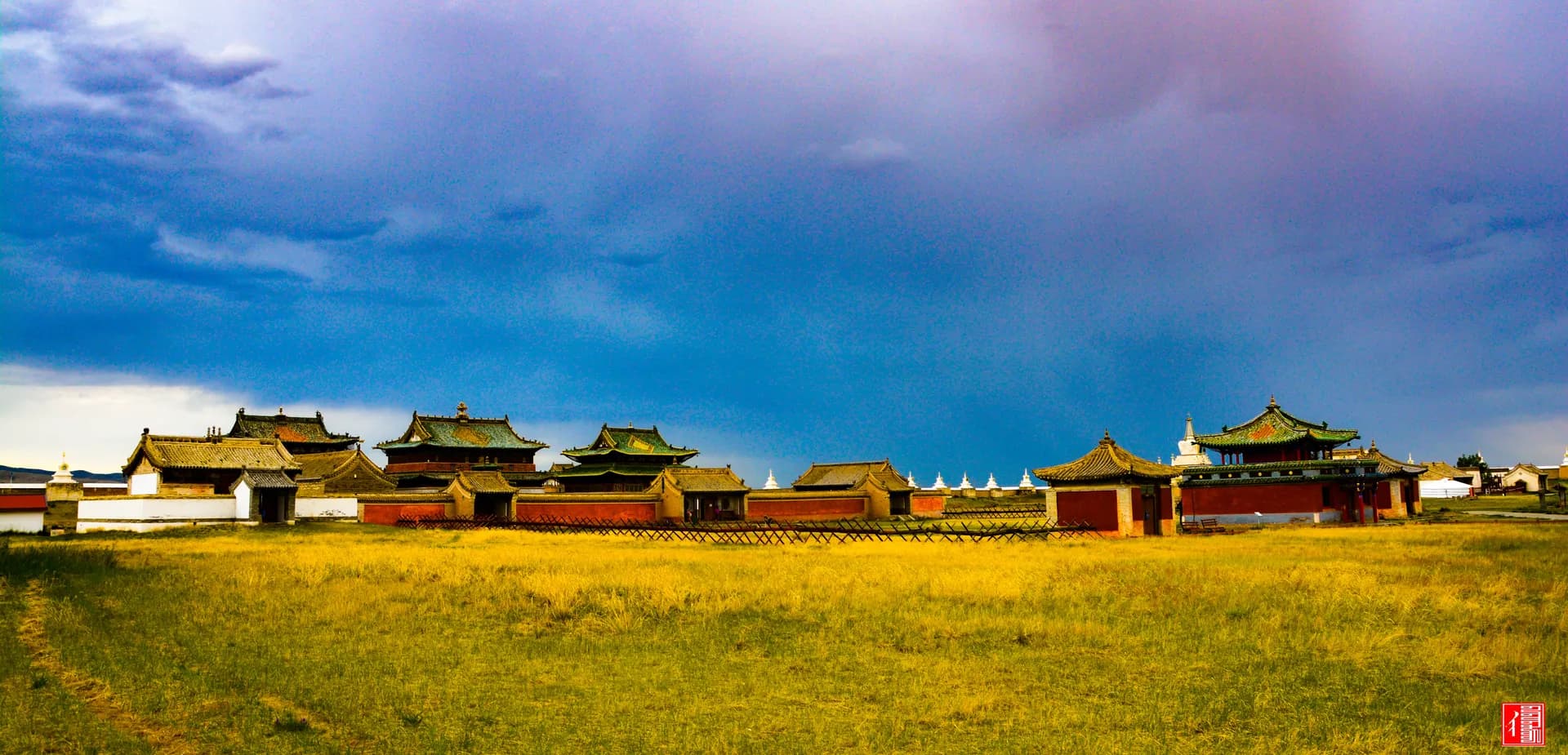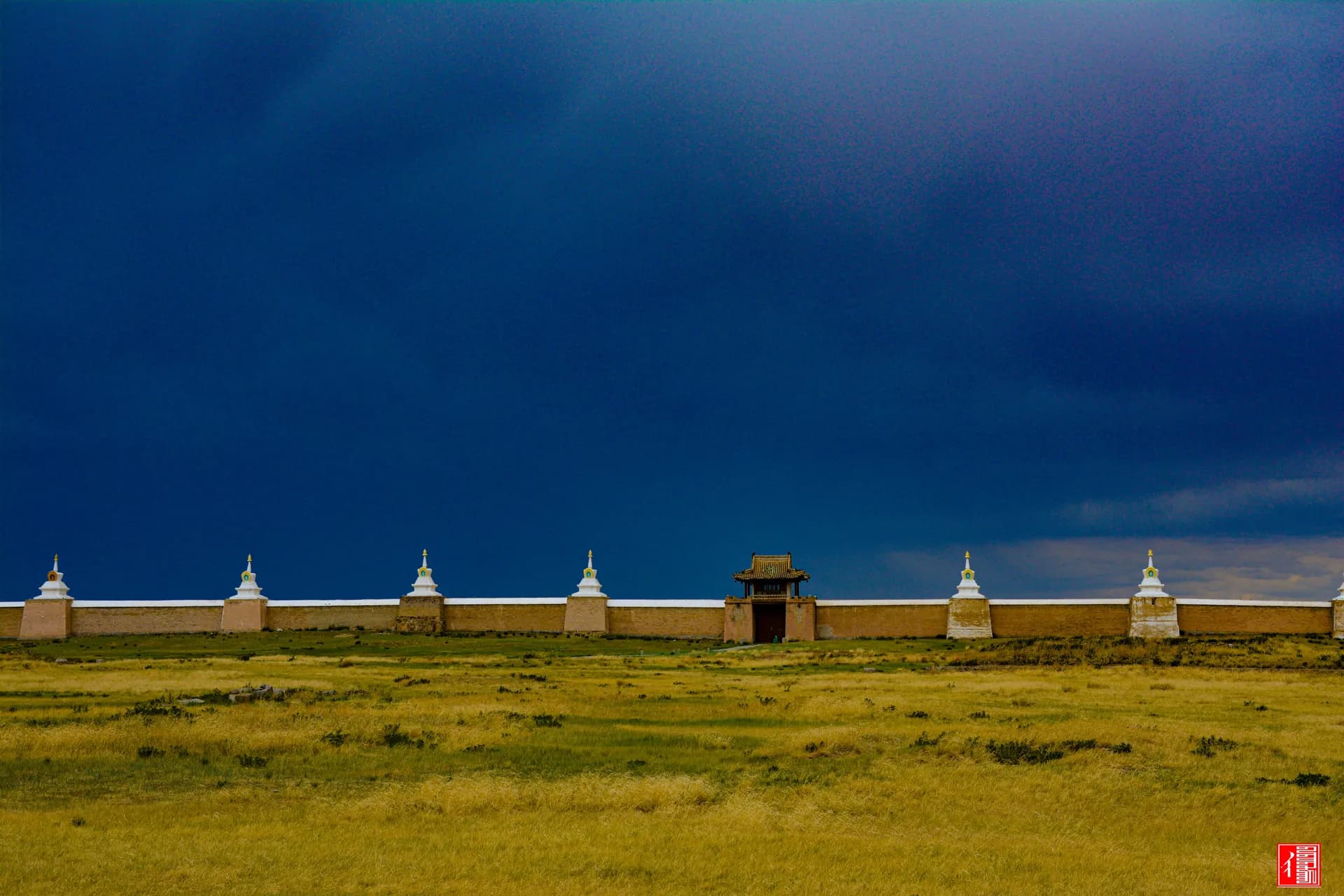
The Orkhon Valley is one of the most historically important and visually rewarding regions in Mongolia. Broad grasslands, winding rivers, volcanic hills, grazing livestock and family gers create the landscape many travelers imagine before visiting the country.
Yet the valley is much more than a beautiful stretch of steppe. For more than two thousand years, it has been associated with nomadic empires, trade routes, spiritual traditions and pastoral life. The Orkhon Valley Cultural Landscape was added to the UNESCO World Heritage List in 2004 in recognition of this continuing relationship between people, history and the land.
Located in Central Mongolia, the valley is a natural choice for travelers interested in Mongolian history, nomadic culture, horse riding, photography and journeys that move at a more relaxed pace.
Travelers considering the Orkhon Valley can compare our Central Mongolia tours, including private and small-group journeys through Karakorum, Erdene Zuu and the surrounding countryside.
Why Is the Orkhon Valley Important?
The Orkhon Valley has played a central role in the history of Inner Asia. Successive nomadic civilizations used the region as a political, cultural and economic centre because of its open pastures, water sources and strategic position.
The landscape contains archaeological remains connected with ancient Turkic states, the Uyghur Empire and the Mongol Empire. Nearby Karakorum became the capital of the Mongol Empire during the 13th century and developed into an international meeting point for merchants, craftspeople, diplomats and religious communities.
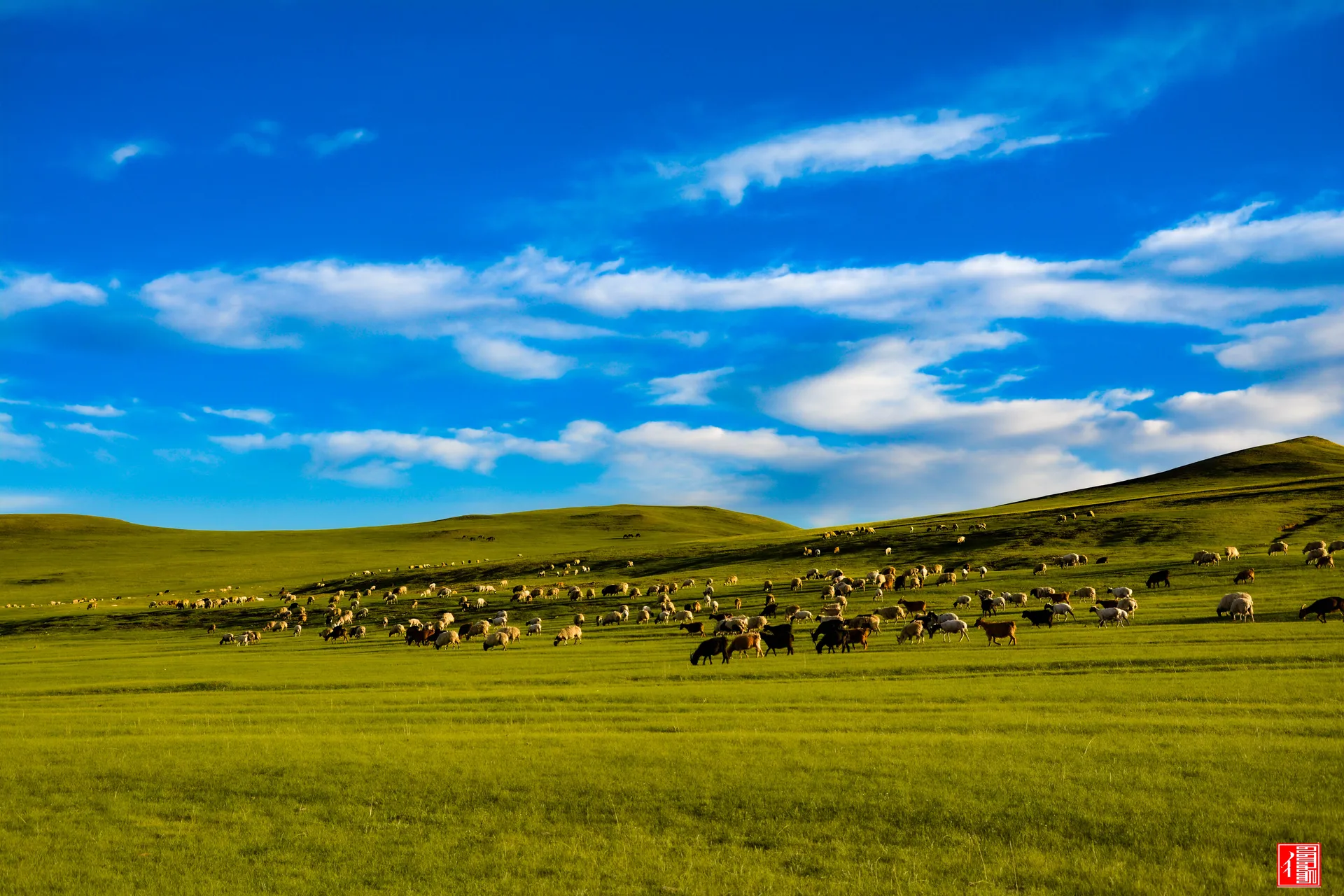
The valley also demonstrates something still visible today: nomadic pastoral traditions are not simply part of Mongolia’s past. Families continue to move seasonally with their animals, care for horses, sheep, goats, cattle and yaks, and organize their lives around water, pasture and weather.
This continuity between ancient history and present-day nomadic life is what makes the Orkhon Valley different from a conventional archaeological destination.
Visitors who want a wider introduction to the country can also read our Mongolia Travel Guide.
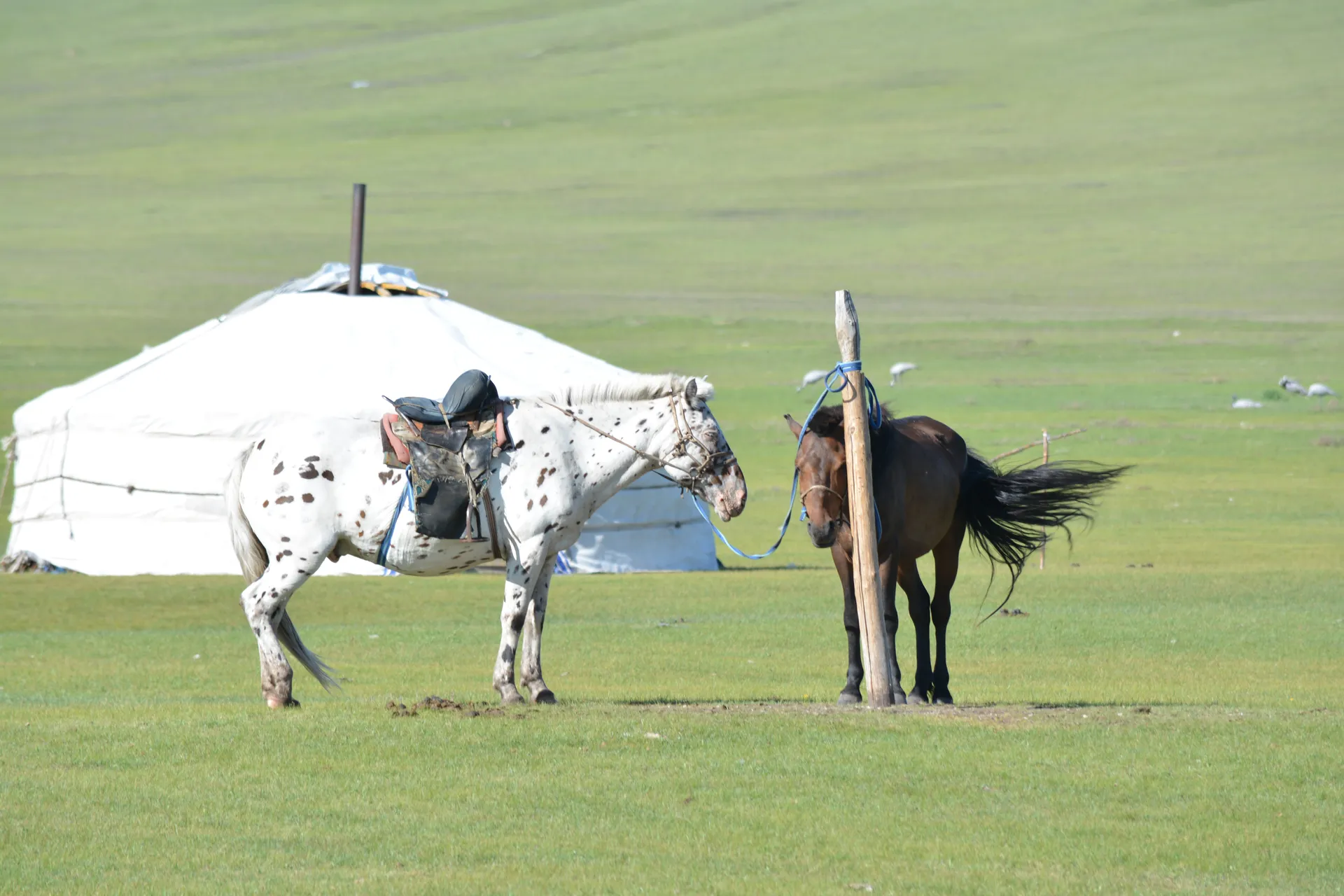
Suggested image: Nomadic family gers, livestock or horses in the Orkhon Valley
Alt text: Nomadic family and grazing livestock in the Orkhon Valley
Where Is the Orkhon Valley?
The UNESCO-listed Orkhon Valley Cultural Landscape lies in Central Mongolia, approximately 360 kilometres southwest of Ulaanbaatar. The protected landscape extends across a large area of pastureland along the Orkhon River.
Travel time depends heavily on the route, road conditions and the exact destination within the valley. Reaching Karakorum from Ulaanbaatar is relatively straightforward, but continuing deeper toward rural ger camps, nomadic communities and the Orkhon Waterfall involves unpaved roads.
For this reason, distances shown on a map do not always represent actual driving time. A well-planned Central Mongolia itinerary should leave room for road conditions, photography stops, family visits and changing weather.
Travelers who prefer flexible daily timing can explore our Private Mongolia Tours.
What to See and Do in the Orkhon Valley
Explore Karakorum
Karakorum, also written as Kharkhorin, was developed as the capital of the Mongol Empire during the reign of Ögedei Khan. Although little of the original city remains above ground, the site provides important insight into the empire’s political organization and international connections.
A visit to the Karakorum Museum helps travelers understand how the city developed and why it became one of the most influential centres of the medieval world.
Karakorum is often used as the historical gateway to the wider Orkhon Valley.
Visit Erdene Zuu Monastery
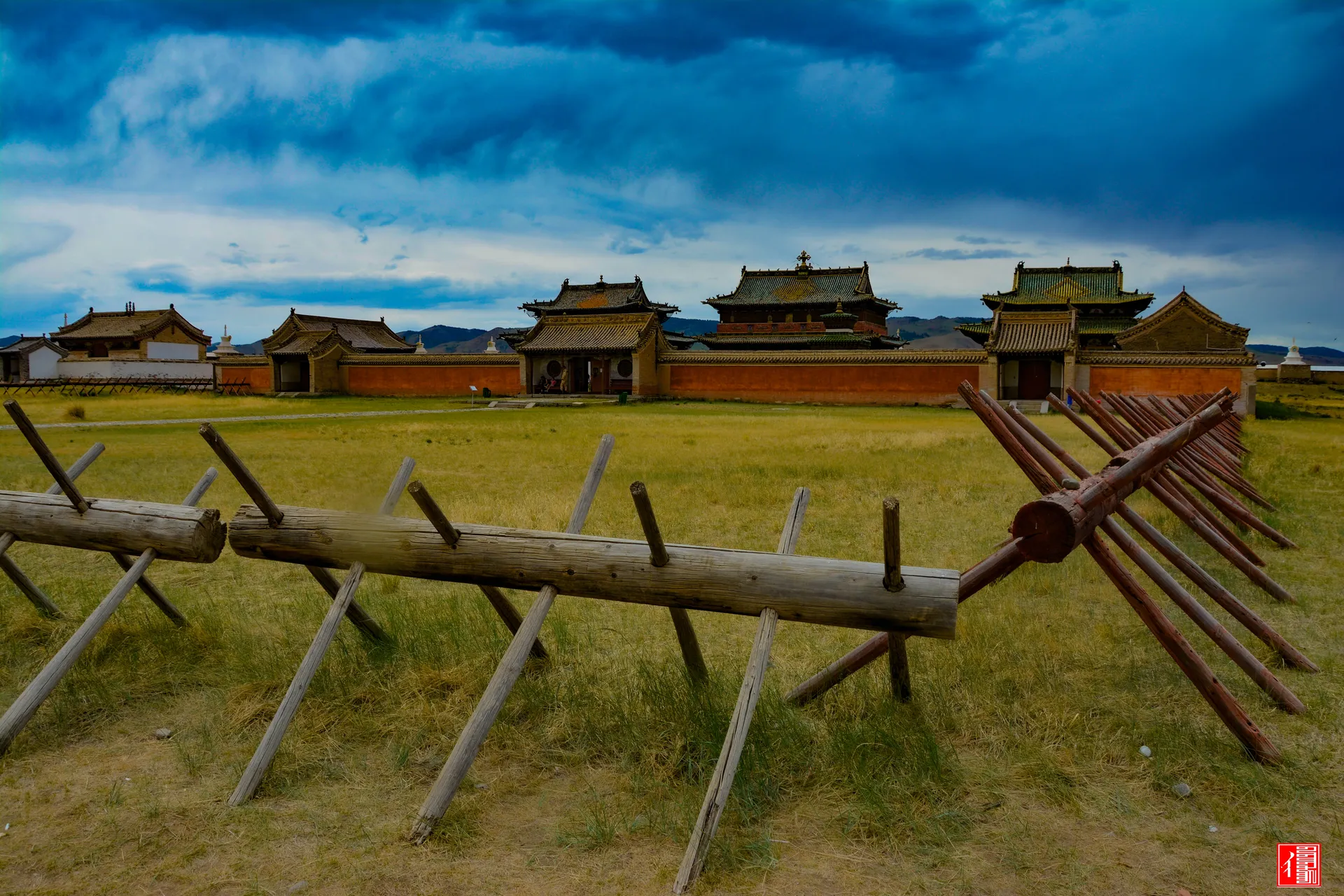
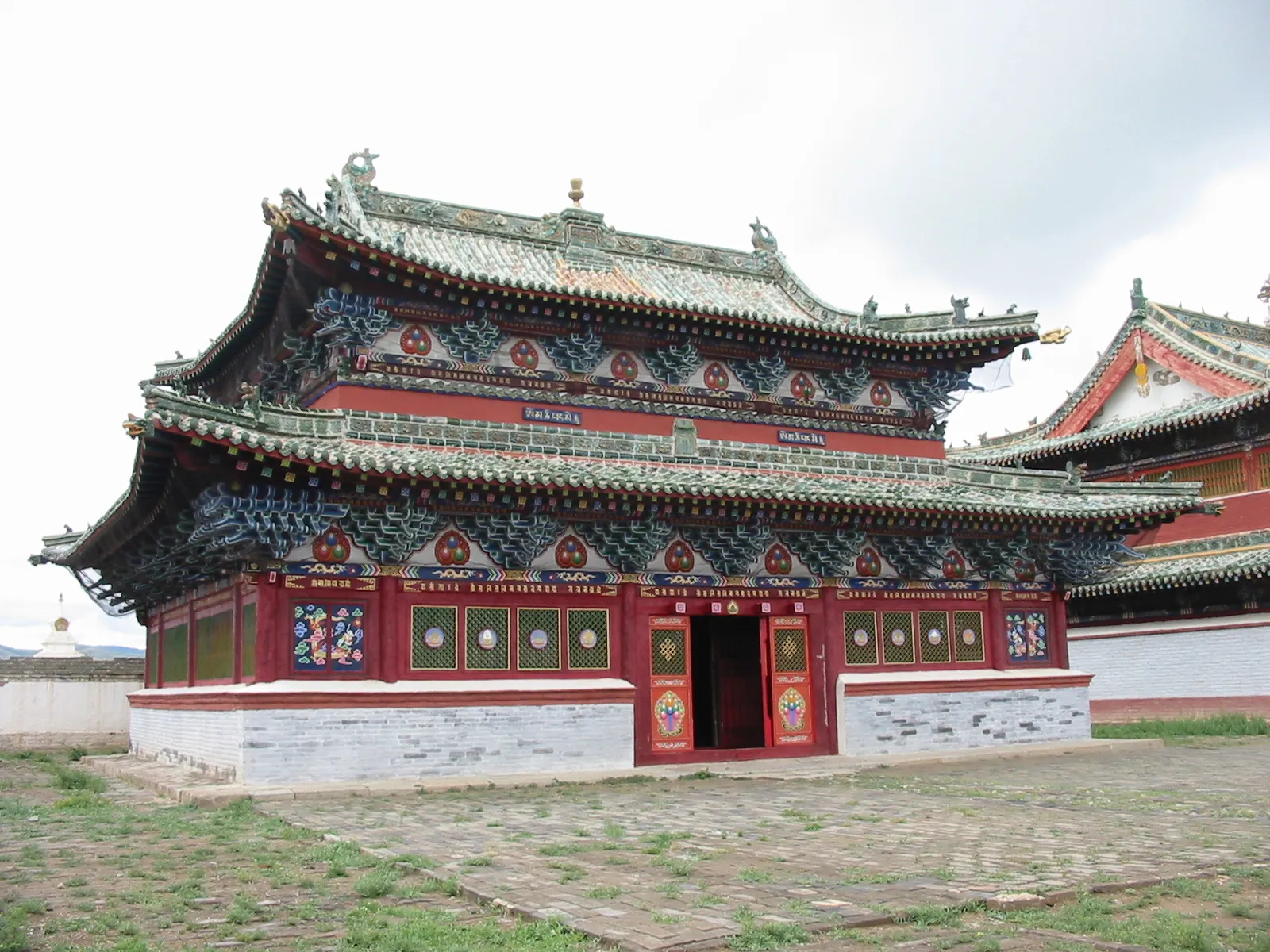
Erdene Zuu is generally regarded as Mongolia’s oldest surviving Buddhist monastery. It was founded in the 16th century near the ruins of Karakorum and became one of the country’s most important religious centres.
The monastery complex is surrounded by a distinctive white wall lined with stupas. Inside, visitors can see historic temples, Buddhist artwork and active places of worship.
Erdene Zuu should be visited respectfully. Photography may be restricted inside certain temples, and visitors should follow the instructions of local guides and monastery staff.
See the Orkhon Waterfall
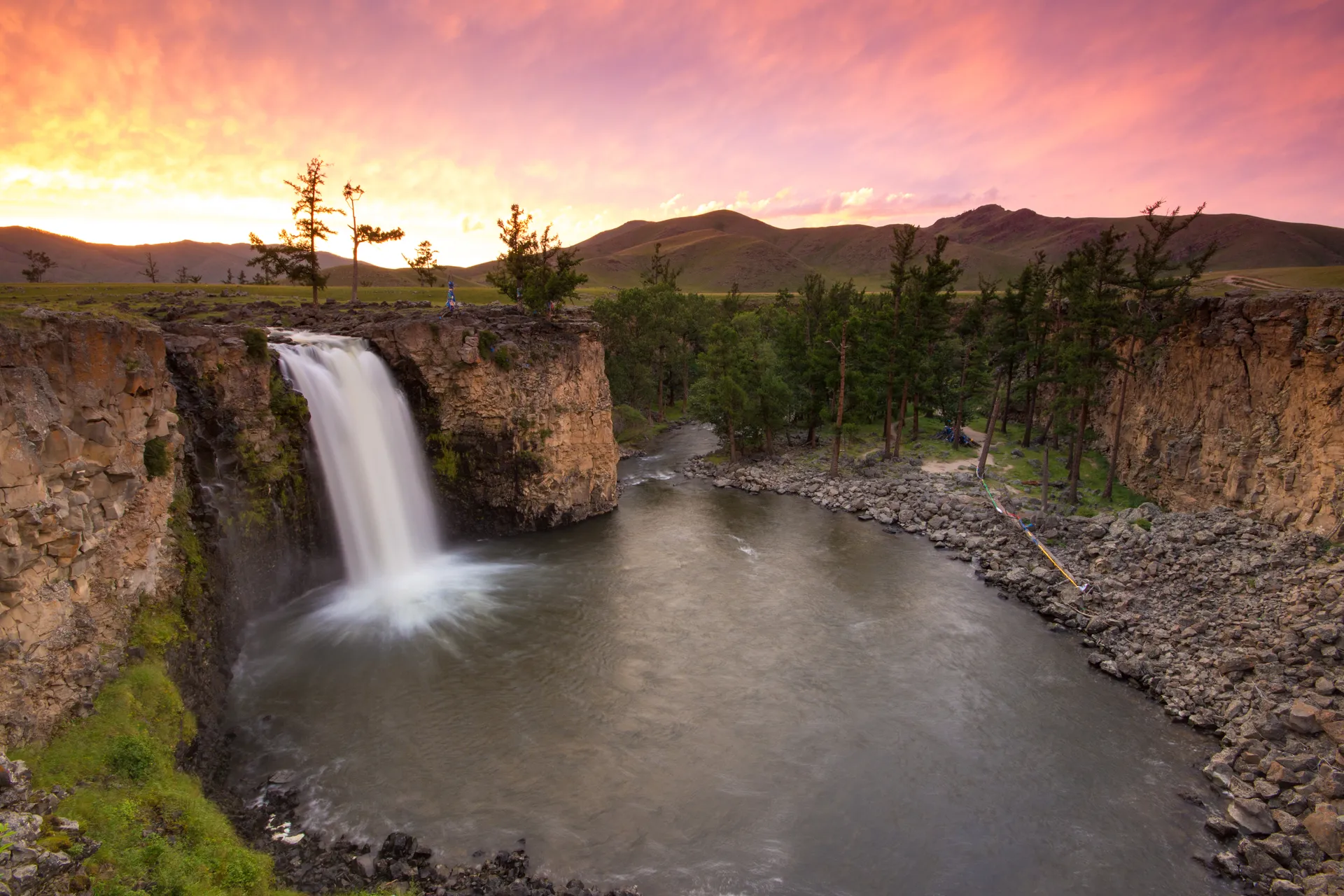
The Orkhon Waterfall, locally known as Ulaan Tsutgalan, is one of Central Mongolia’s best-known natural attractions. It was formed in a landscape shaped by volcanic activity and the movement of the Orkhon River.
The waterfall is usually most impressive during summer, especially after periods of rainfall. Its water level can be considerably lower during dry conditions, so travelers should avoid expecting the same appearance in every season.
The surrounding area is suitable for walking, photography, horse riding and spending time in the countryside. Reaching it requires travel over rough local roads, making realistic scheduling essential.
Meet Nomadic Families
A carefully arranged visit with a nomadic family can become one of the most meaningful parts of an Orkhon Valley journey.
Guests may be welcomed with milk tea, dairy products or a simple meal while learning about livestock, seasonal movement and daily family life. Depending on the season, visitors might observe milking, herding, food preparation or the care of young animals.
These visits should not be treated as staged performances. Families have their own work and responsibilities, and respectful introductions are best arranged through guides who have established local relationships.
Always ask before photographing people, children, household spaces or religious objects.
Experience Horse Riding
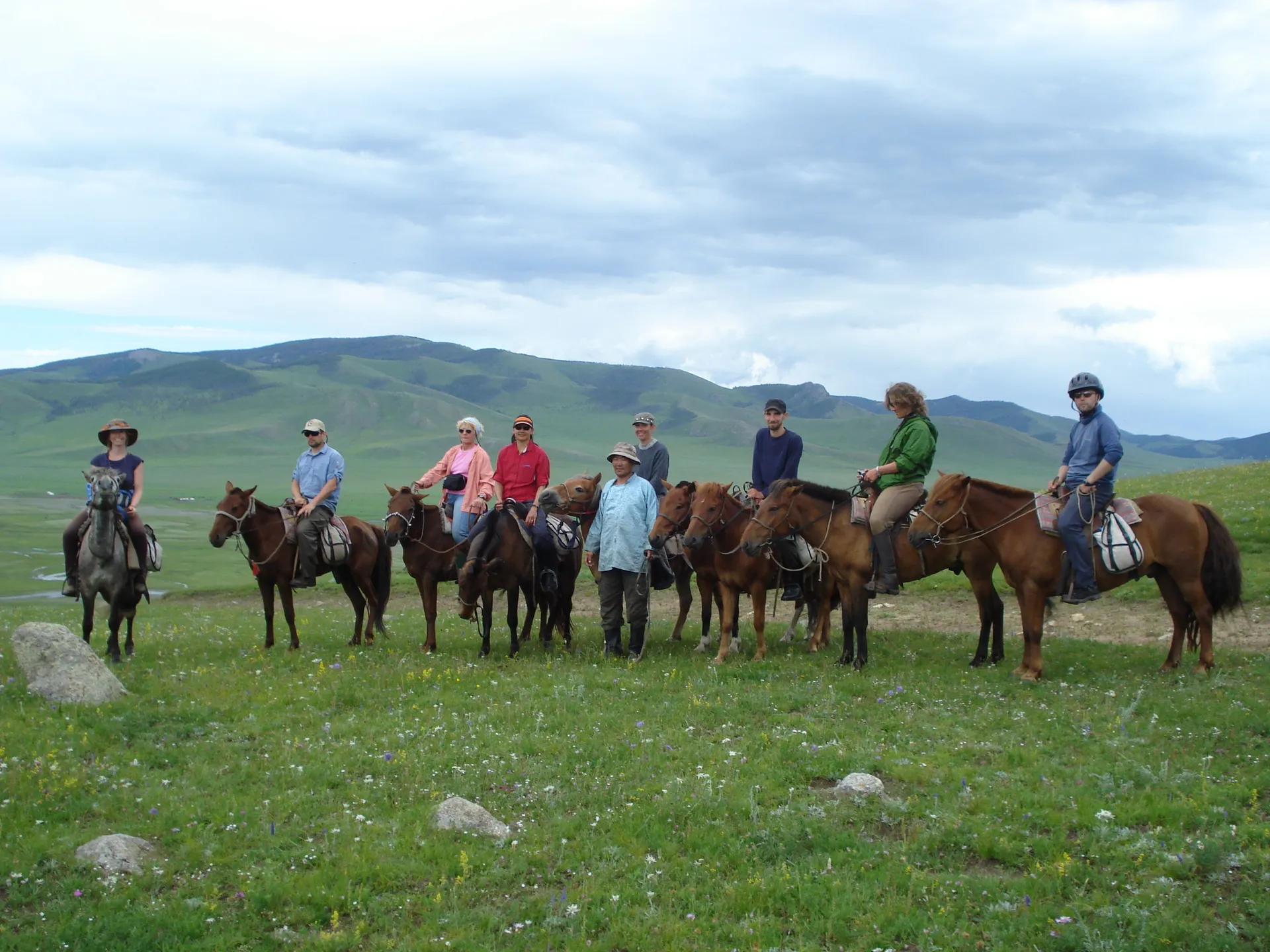
The Orkhon Valley is one of Mongolia’s classic horse-riding regions. Its open terrain and strong equestrian culture make it suitable for both short rides and longer riding journeys.
Beginners can usually arrange a gentle ride with local support, while experienced riders may prefer a multi-day route through river valleys and grazing areas.
Riding conditions depend on weather, terrain and personal experience. Travelers who consider helmets essential should discuss their requirements before departure.
Visitors looking for a longer active journey can browse all our Mongolia tours.
Stay in a Ger Camp
Staying in a ger allows travelers to experience the valley after day visitors have left. Evenings are often quiet, with wide skies, grazing animals and very little artificial light.
Tourist ger camps generally provide proper beds, meals and shared bathroom facilities. Some higher-standard camps offer private bathrooms, but availability is limited and should be confirmed in advance.
Ger camps are comfortable in their own way, although they should not be compared directly with city hotels. Hot-water supply, electricity and internet access can be limited in the countryside.
Best Time to Visit the Orkhon Valley
The main travel season runs from June through September.
June usually brings greener landscapes, young animals and long daylight hours. Weather can still be unpredictable, and nights may be cool.
July and August are the warmest and busiest months. The steppe is generally green, local families are active with summer livestock work, and most ger camps are operating. Rain can affect unpaved roads, so flexible planning remains important.
Late August and September often bring clearer light, fewer visitors and golden autumn colours. Nights become colder, but this period can be excellent for landscape photography.
Winter travel is possible with specialist arrangements, but temperatures are severe, daylight is shorter and many seasonal camps close. A winter itinerary must be designed differently from a summer journey.
For a broader comparison of Mongolia’s seasons, read our guide to the Best Time to Visit Mongolia.
How Many Days Do You Need?
A short Central Mongolia itinerary may include Karakorum and Erdene Zuu within three or four days, but this does not allow much time deeper in the Orkhon Valley.
Five to seven days is more comfortable for travelers who want to include the waterfall, nomadic encounters, horse riding and at least two countryside stays.
Seven to ten days allows a slower journey and may include Elsen Tasarkhai, Tsenkher Hot Springs, Ogii Lake or additional time for hiking and photography.
The strongest itinerary is not necessarily the one with the most stops. Central Mongolia is best experienced when travelers have time to walk, talk with local people and observe the landscape rather than spending every day moving between camps.
What Should You Pack?
Even in summer, the Orkhon Valley can experience strong sun, rain, wind and cold evenings.
Useful items include:
Layered clothing for changing temperatures
A waterproof and wind-resistant jacket
Comfortable walking shoes
Sun protection and sunglasses
A reusable water bottle
Personal medication
Insect repellent during summer
A headlamp for countryside stays
A small power bank
Cash for minor local purchases
Travelers planning to ride should bring comfortable trousers and shoes with a secure heel. Photography equipment should be protected from dust and sudden rain.
Responsible Travel in the Orkhon Valley
The Orkhon Valley is both a protected cultural landscape and a living pastoral region. Visitors can help preserve it through simple, thoughtful behaviour.
Avoid leaving marked tracks with vehicles when an established route is available. Do not disturb archaeological remains or remove stones and objects. Carry waste out of remote areas and use refillable bottles whenever possible.
When visiting a family, remember that the ger is a private home. Follow your guide’s advice, avoid stepping on the threshold and ask permission before photographing people.
Using locally owned camps, guides, drivers and family-based services helps ensure that tourism supports the communities who care for the valley.
Planning a Central Mongolia Journey
The Orkhon Valley can be visited as part of a private journey or a small-group tour. Private travel is particularly useful for families, photographers and travelers who prefer a slower pace, as daily timing can be adjusted around interests and road conditions.
A practical route often combines Karakorum, Erdene Zuu, the Orkhon Valley and one or two additional Central Mongolia destinations rather than attempting to cover the Gobi, northern Mongolia and the central steppe in a single rushed circuit.
Explore our Central Mongolia tours or tell our local team your dates, group size and preferred travel style. We can recommend a realistic route through Karakorum and the Orkhon Valley.
Ready to start planning? Send us your travel dates and interests, and our local team will help create a practical Central Mongolia itinerary.
Frequently Asked Questions
Is the Orkhon Valley worth visiting?
Yes. It combines UNESCO-recognized history, open steppe landscapes, nomadic culture, horse riding and some of Central Mongolia’s most important attractions.
How far is the Orkhon Valley from Ulaanbaatar?
The UNESCO-listed landscape is approximately 360 kilometres southwest of Ulaanbaatar. Actual travel time depends on the destination, road conditions and overnight route.
Can I visit the Orkhon Valley without horse riding?
Yes. Horse riding is optional. Visitors can focus on historical sites, walking, photography, family visits and scenic drives.
Is the Orkhon Waterfall always flowing strongly?
No. The volume changes with rainfall and seasonal conditions. It is generally strongest during summer but may be much smaller during dry periods.
Can families with children visit the Orkhon Valley?
Yes. A private itinerary with fewer accommodation changes and realistic driving times works especially well for families.
What accommodation is available?
Most countryside accommodation consists of tourist ger camps or arranged family stays. Facilities range from basic shared bathrooms to more comfortable camps with private facilities.