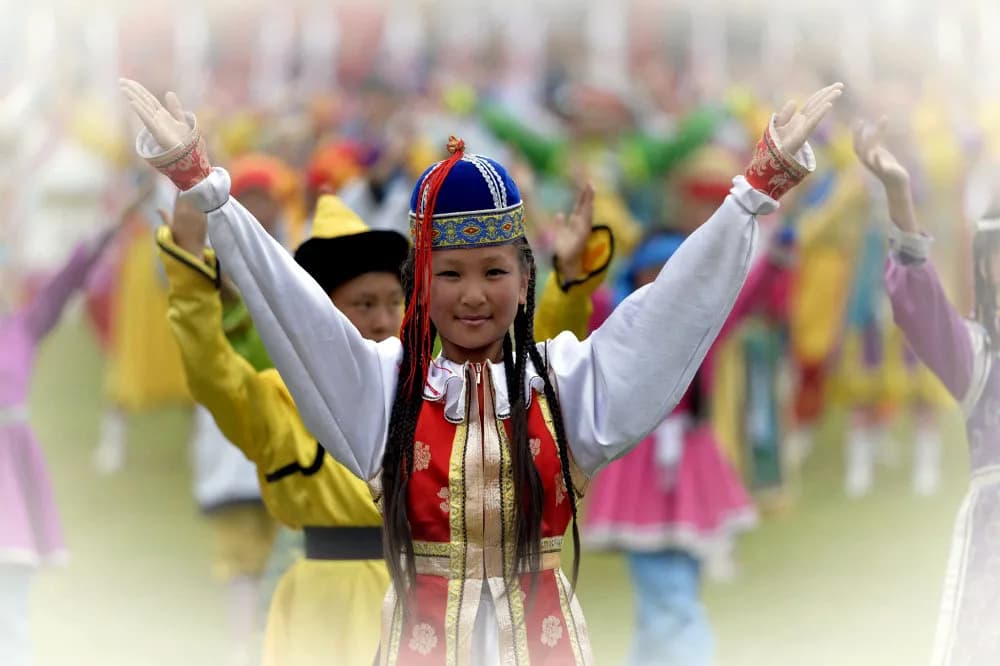
Mongolia is famous for its vast landscapes, horses and nomadic way of life.
But once a year, travelers have an extraordinary opportunity to experience many of Mongolia's living traditions gathered together in one place.
The Nomads World Cultural Festival brings together heritage bearers, performers, craftspeople, horsemen and representatives of Mongolia's diverse ethnic communities to celebrate the traditions that have shaped nomadic life for generations.
Traditional music, clothing, craftsmanship, rituals, national sports and the skills of everyday nomadic life become part of a remarkable cultural gathering on the Mongolian steppe.
For travelers planning to visit Mongolia in 2027, the festival can be an excellent reason to experience the country in late summer.
When Is the Nomads World Cultural Festival in 2027?
The official dates for the 2027 Nomads World Cultural Festival have not yet been announced.
In 2026, the festival took place from 21–23 August at the foot of Taij Khairkhan in Nalaikh District, Ulaanbaatar. The 2025 edition was held from 22–24 August at the same location.
Based on recent editions, travelers interested in the 2027 festival should consider late August when planning their Mongolia journey, while waiting for the official dates to be confirmed.
Journey Mongolia will update this guide when the official 2027 festival schedule is announced.
What Is the Nomads World Cultural Festival?
The Nomads World Cultural Festival is a celebration of Mongolia's intangible cultural heritage and diverse ethnic traditions.
Rather than presenting Mongolian culture only through exhibitions or museums, the festival brings living traditions directly to visitors.
Heritage bearers from different parts of Mongolia gather to demonstrate skills, customs, performances and knowledge passed from generation to generation.
Recent editions have been organized in a traditional ger-camp format, allowing visitors to move between cultural areas and experience the distinctive traditions of different communities. Mongolia's Ministry of Culture has described the festival as an annual event designed to showcase the country's intangible cultural heritage and the characteristics of its ethnic groups.
This is what makes the festival particularly interesting for international travelers:
You are not simply looking at Mongolia's heritage — you are watching people actively practice it.
What Can You Experience at the Festival?
The program changes from year to year, but the festival is designed around Mongolia's living cultural heritage.
Visitors may encounter traditional performances, craftsmanship, national sports, rituals, music and demonstrations of skills associated with nomadic life.
The scale can be substantial. For example, the 2026 program covered hundreds of elements across multiple domains of intangible cultural heritage, with master heritage bearers, performances, demonstrations and traditional sports represented.
For an international traveler, however, the real value is not simply the number of activities.
It is the variety of Mongolia you can encounter in a single place.
Traditional Music and Performance
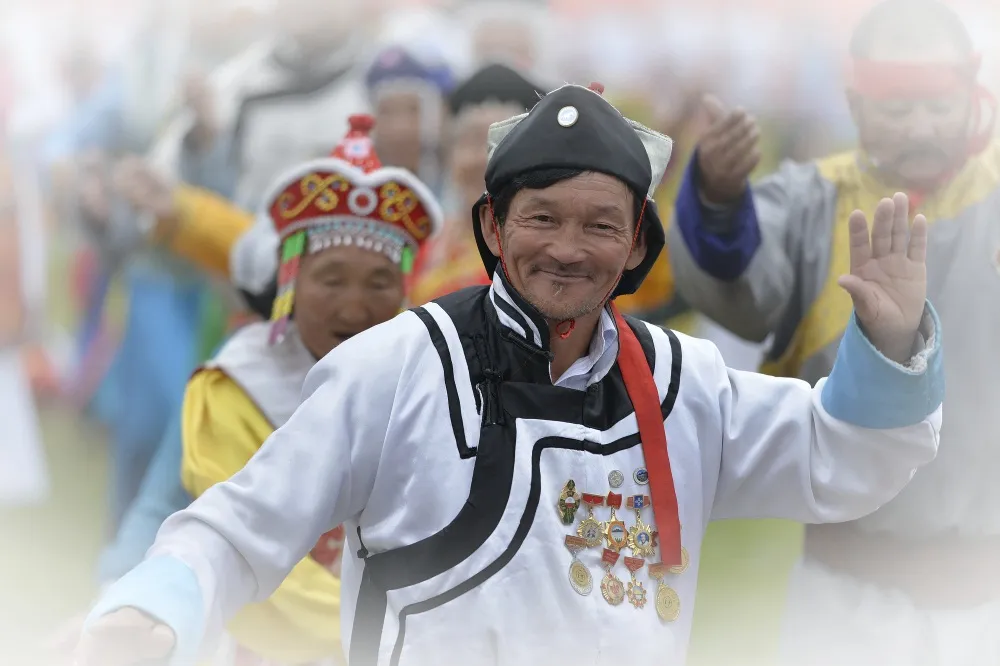
Music has always been closely connected with Mongolia's landscapes and nomadic culture.
At the festival, visitors may encounter different forms of traditional music and folk performance representing communities from across the country.
These traditions can include instruments, singing styles and performances whose histories stretch back through generations.
Rather than seeing a single staged cultural show in Ulaanbaatar, the festival provides an opportunity to encounter a much broader range of Mongolia's cultural traditions.
Traditional Clothing and Mongolia's Ethnic Diversity
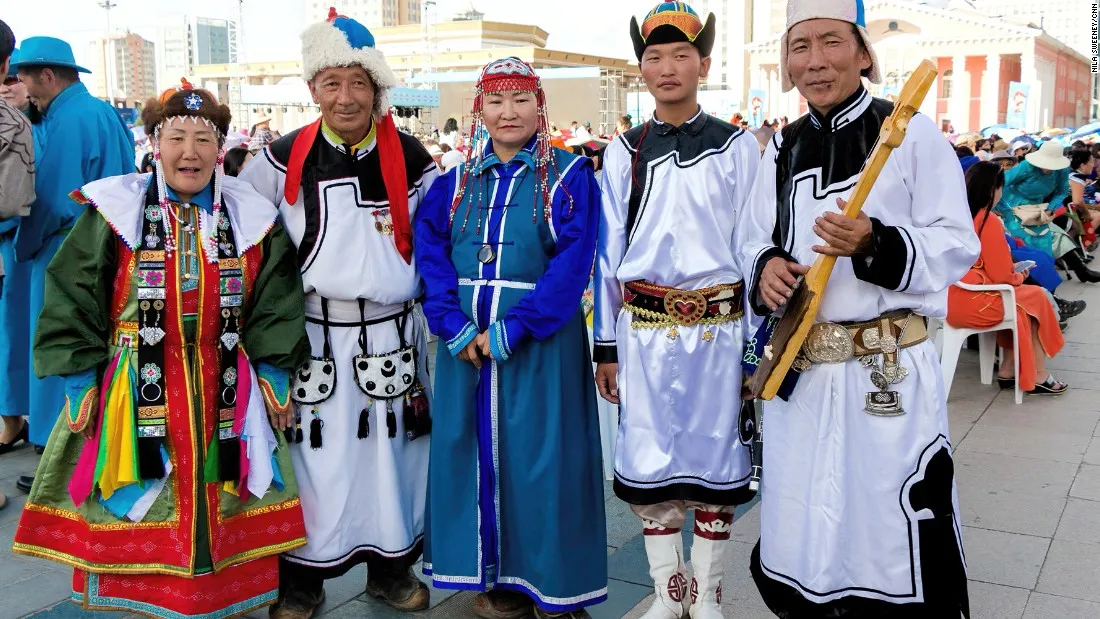
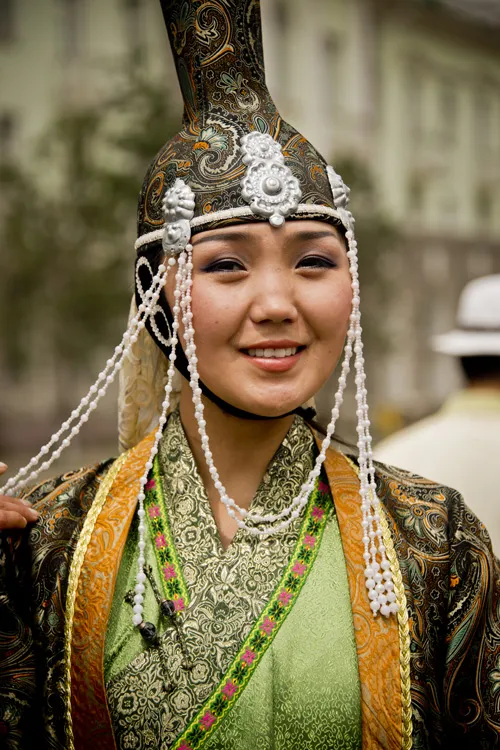
One of the most visually striking parts of the festival is traditional clothing.
Mongolia is home to communities whose deels, hats, ornaments and decorative traditions can differ significantly from one region to another.
At the festival, these differences become visible side by side.
For photographers in particular, this can be one of the most fascinating aspects of the event.
But the clothing is not simply costume.
Design, material, decoration and style can reflect geography, community identity and traditions developed over generations.
Horses and Nomadic Skills
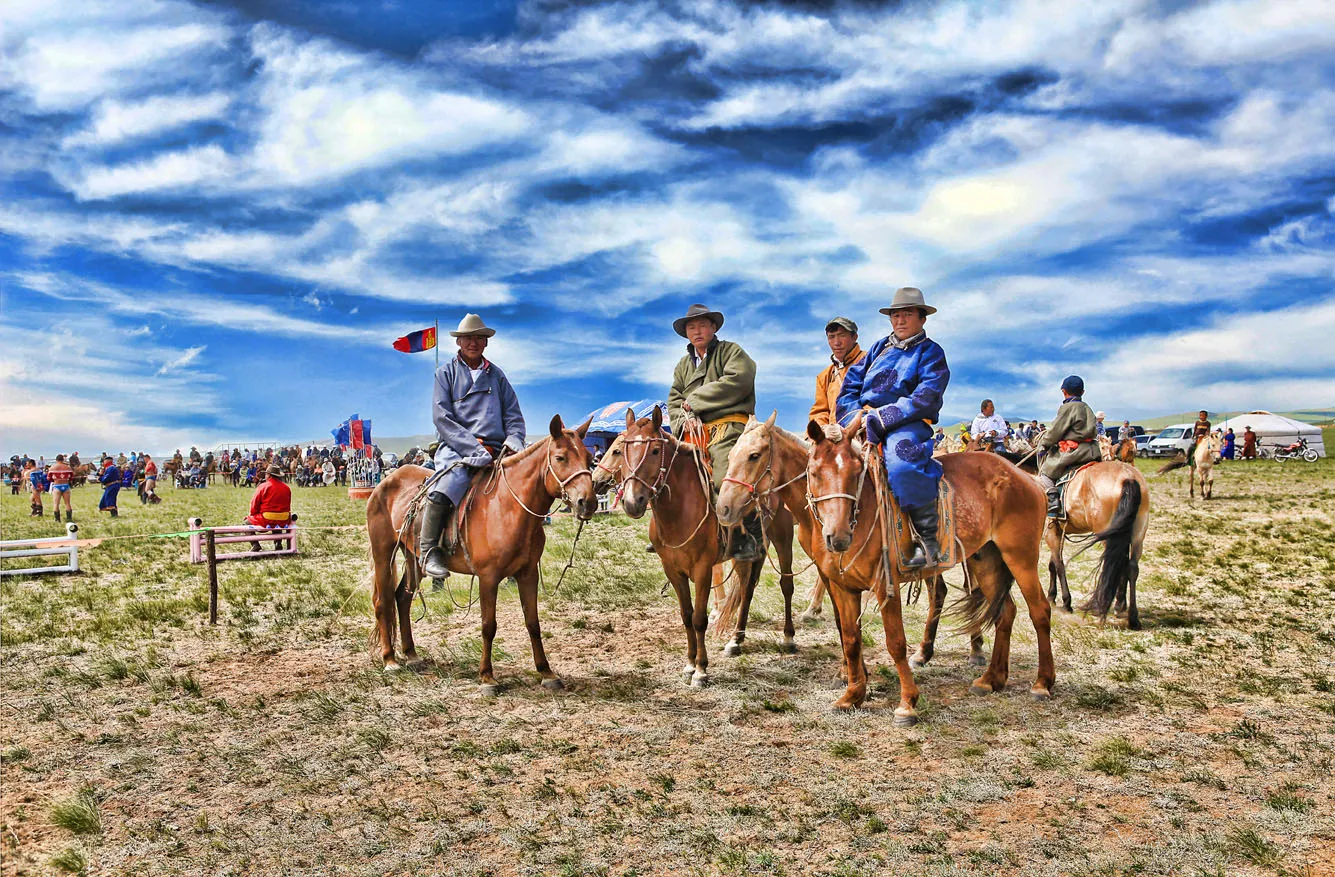
It would be difficult to celebrate Mongolian nomadic culture without horses.
For centuries, horses have shaped transportation, herding, warfare, communication and everyday life across the Mongolian steppe.
Equestrian traditions and national sports therefore form an important part of the wider cultural atmosphere surrounding the festival.
Depending on the annual program, visitors may see demonstrations and competitions connected with traditional Mongolian horsemanship and other national sports.
The exact 2027 program will be added to this guide once officially announced.
Traditional Crafts and Heritage Skills
Nomadic culture is not preserved only through songs and ceremonies.
It also survives through skills.
Working with wool and felt, preparing traditional objects, creating clothing and ornaments, leatherwork and other forms of craftsmanship have been part of life on the Mongolian steppe for generations.
At a cultural festival, seeing these traditions being practiced by the people who inherited them can provide a much deeper understanding than simply seeing the finished objects in a shop.
Take time to stop, watch and ask questions.
Sometimes the smallest demonstration can tell you more about Mongolia than the largest performance.
Where Is the Nomads World Cultural Festival Held?
Recent editions have taken place at the foot of Taij Khairkhan in Nalaikh District, on the eastern side of the Ulaanbaatar area. The 2025 and 2026 festivals were both held at this location.
The setting is particularly appropriate because visitors experience the festival outside the dense center of Ulaanbaatar, surrounded by a landscape that better complements its nomadic theme.
Transport arrangements can change each year. In 2026, for example, free festival buses operated from Sukhbaatar Square during the event.
For 2027, visitors should check updated transportation information once the official program is released.
Is the Nomads Festival Worth Visiting?
For travelers interested in culture, photography, history and Mongolia's nomadic heritage, absolutely.
Naadam is Mongolia's great national celebration and is famous for wrestling, horse racing and archery.
The Nomads World Cultural Festival offers something different.
Its focus allows visitors to explore a broader range of traditions, ethnic diversity, craftsmanship and living heritage.
The two festivals should therefore not be viewed as competitors.
Naadam shows you one extraordinary expression of Mongolia's national identity.
The Nomads Festival allows you to look deeper into the diversity behind that identity.
Is August a Good Time to Visit Mongolia?
Yes.
August is an excellent month for traveling through much of Mongolia.
The landscapes are generally still green, nomadic families remain active across the countryside and most major overland routes are accessible.
Late summer can also provide a slightly different atmosphere from the busiest weeks around July's Naadam celebrations.
For travelers interested in culture, combining an August journey with the Nomads World Cultural Festival can provide a natural centerpiece around which to build a longer Mongolia itinerary.
Where Can You Travel After the Festival?
The festival does not need to be the entire journey.
It can be the beginning.
Terelj National Park
Terelj is a natural addition for travelers who have limited time around Ulaanbaatar.
Granite mountains, open valleys and nomadic communities provide an introduction to the landscapes beyond the capital.
Karakorum and Central Mongolia
For travelers with more time, Central Mongolia offers a fascinating combination of history, nomadic culture and landscape.
Karakorum connects visitors with the history of the Mongol Empire, while the surrounding countryside provides opportunities to experience a very different pace of life.
The Gobi Desert
The cultural experience of the festival can also be combined with one of Mongolia's most famous landscapes.
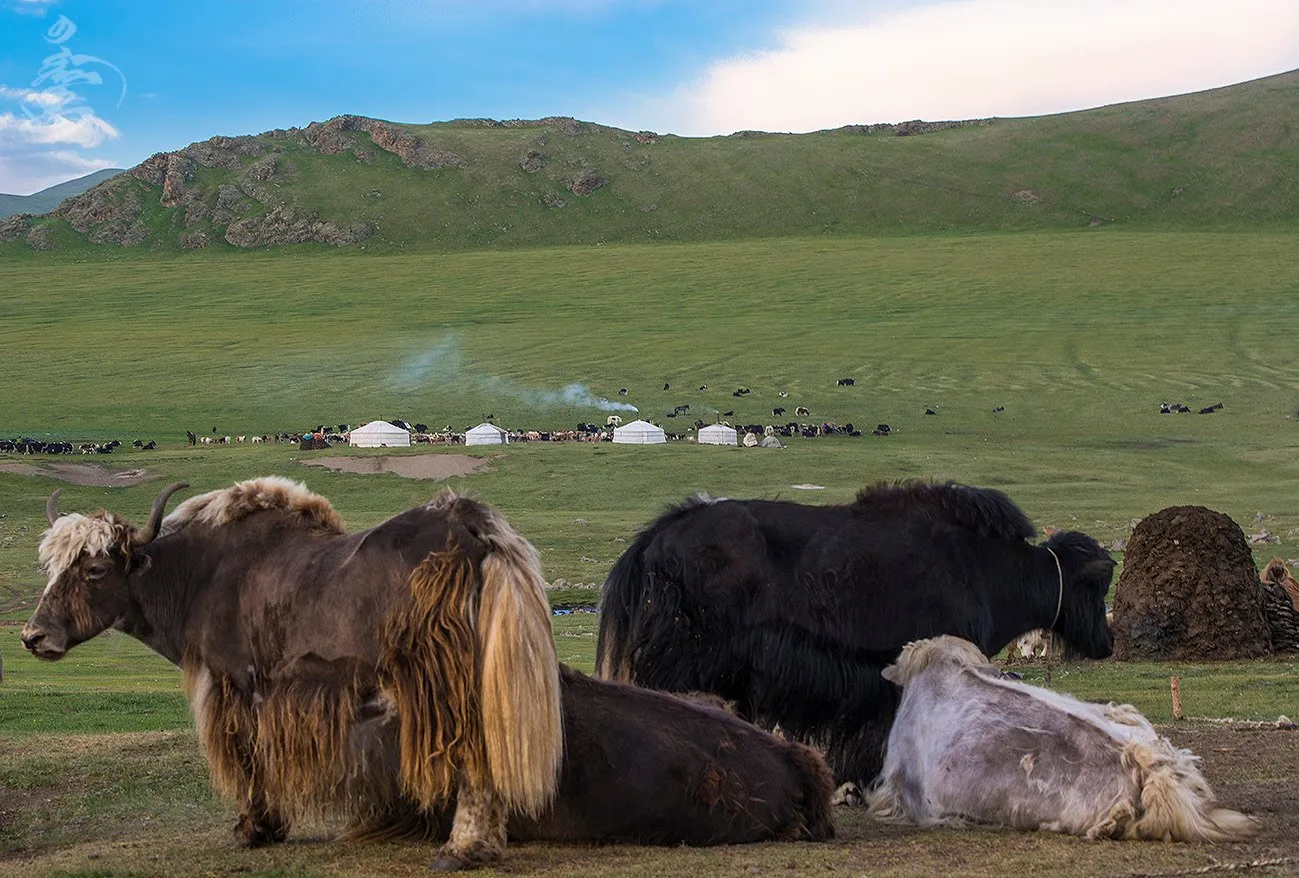
Travel south toward the Gobi to discover dramatic valleys, desert landscapes, ancient geological formations and nomadic communities adapted to a completely different environment.
How Many Days Should You Spend in Mongolia?
If you are traveling internationally for the festival, it is worth allowing time to explore beyond Ulaanbaatar.
A short 4–5 day visit can combine the festival with Ulaanbaatar and nearby countryside.
With 7–10 days, travelers can begin exploring Central Mongolia or another region in greater depth.
With 10–14 days or more, the festival can become part of a much broader journey through the Gobi, Central Mongolia and Mongolia's nomadic heartland.
The important thing is not to fit as many destinations as possible into a short itinerary.
Mongolia is enormous.
Traveling well here means allowing enough time to experience the places between the destinations too.
Tips for Visiting the Nomads World Cultural Festival
Bring comfortable walking shoes and prepare for Mongolia's changeable summer weather.
A hat, sun protection and a light waterproof or warm layer can all be useful even in August.
Most importantly, allow yourself time.
Do not rush from one performance to another simply to photograph everything.
Stop at the gers. Watch craftspeople work. Listen to the music. Speak with people when appropriate.
The festival becomes much more meaningful when you approach it not simply as an attraction, but as an opportunity to learn about the people behind the traditions.
Nomads World Cultural Festival 2027 FAQ
When is the Nomads World Cultural Festival 2027?
The official 2027 dates have not yet been announced. Recent editions have taken place in late August; the 2026 festival was held from August 21–23.
Where is the festival held?
Recent editions have been held at the foot of Taij Khairkhan in Nalaikh District, Ulaanbaatar.
What can visitors see at the festival?
Programs vary each year but focus on Mongolia's intangible cultural heritage, including traditional performances, craftsmanship, ethnic traditions, national sports and other elements of nomadic culture.
Is the festival suitable for international visitors?
Yes. It is particularly interesting for travelers interested in Mongolian culture, photography, traditional arts and nomadic heritage.
Can I combine the festival with a Mongolia tour?
Yes. The festival can be combined with Terelj National Park, Central Mongolia, the Gobi Desert and longer journeys through the country.
Is August a good time to travel in Mongolia?
Yes. August remains one of the main summer travel months and is suitable for visiting many regions of Mongolia.
Your Journey Into Mongolia's Living Culture
You can learn about nomadic culture from books.
You can see ancient objects in museums.
And you can watch Mongolia through a screen.
But Mongolia makes far more sense when you meet the people who still carry its traditions.
That is what makes the Nomads World Cultural Festival special.
For a few days, traditions normally separated by hundreds or even thousands of kilometers are brought together — music, clothing, horses, craftsmanship, ceremonies and knowledge carried from one generation to the next.
But the festival should not be where your understanding of Mongolia ends.
Beyond it lies the real landscape from which these traditions emerged: families living with their livestock, horses moving across open valleys, ancient historical sites and roads stretching through an almost unimaginable amount of space.
At Journey Mongolia, we have been organizing journeys through Mongolia since 2010.
We would like to show you not only the festival, but the country behind it.
Experience the Nomads World Cultural Festival with Journey Mongolia
Join one of our cultural journeys or let us create a private Mongolia itinerary around your travel dates, interests and preferred pace.
EXPLORE OUR NOMADIC FESTIVAL TOUR
PLAN MY PRIVATE MONGOLIA JOURNEY
Come for the festival. Journey deeper into Mongolia.