モンゴル旅行 — Discover a different world just a few hours from Japan.
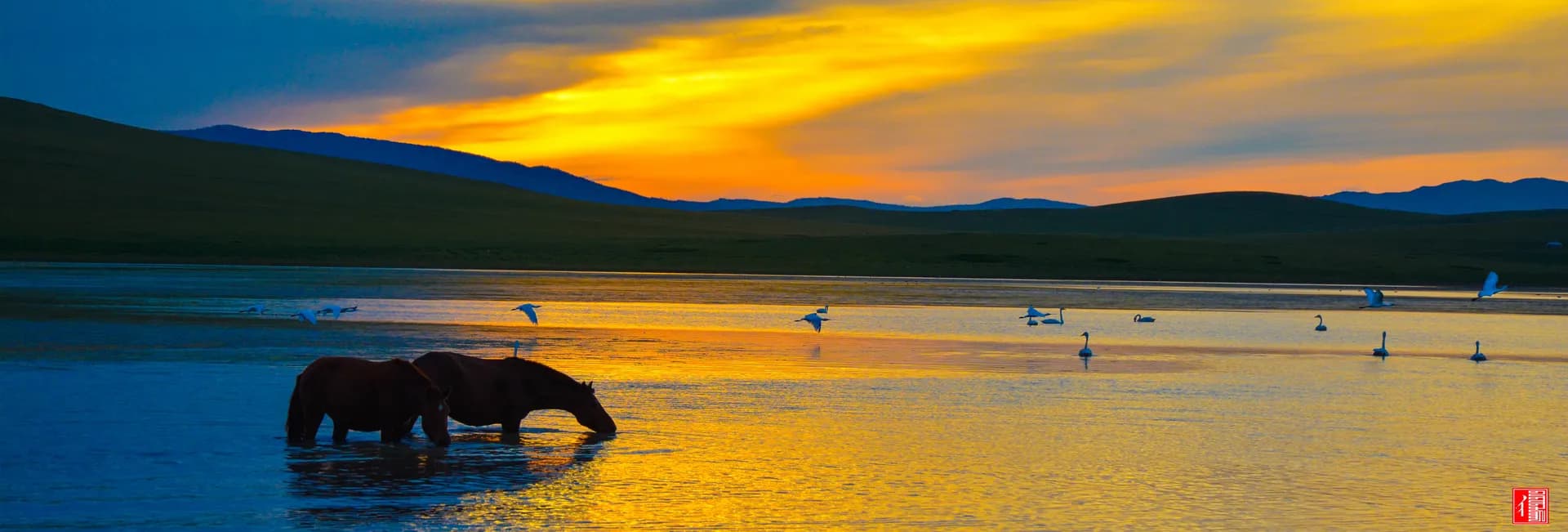
Imagine leaving Tokyo's busy streets behind and arriving in a country where horses roam freely, traditional nomadic families live beneath enormous skies, and vast grasslands stretch towards distant mountains.
Mongolia is one of the most fascinating destinations within relatively easy reach of Japan. With direct flights from Tokyo to Ulaanbaatar, Japanese travellers can experience extraordinary landscapes, traditional culture and memorable outdoor adventures without travelling halfway around the world.
Whether you are planning a short four-day holiday, a seven-day cultural journey, a horseback riding adventure or a visit to the famous Naadam Festival, Mongolia offers experiences that are difficult to find elsewhere.
This guide explains how to travel from Japan to Mongolia in 2027 or 2028, including flights, visa requirements, the best travel seasons, accommodation, suggested itineraries and practical advice.
At Nomadic of the Blue Sky, a locally operated Mongolia travel company established in 2010, we organise private journeys, small-group adventures and personalised cultural experiences throughout Mongolia.
1. Direct Flights from Japan to Mongolia
One of the greatest advantages for Japanese travellers is the relatively short journey to Mongolia.
Chinggis Khaan International Airport (UBN), near Ulaanbaatar, is Mongolia's main international gateway.
Tokyo Narita to Ulaanbaatar
Direct flights operate between Tokyo Narita International Airport (NRT) and Ulaanbaatar.
MIAT Mongolian Airlines is one of the carriers serving this route.
A nonstop flight generally takes approximately five hours, depending on the direction of travel and operating conditions.
This makes Mongolia a practical destination for Japanese travellers who want to experience a dramatically different landscape within a relatively short flight.
Check MIAT Mongolian Airlines Flights
Flight schedules, frequencies and operating days for 2027 and 2028 should be verified directly with the airline.
Osaka Kansai to Mongolia
Travellers departing from Kansai International Airport (KIX) should check whether nonstop or seasonal services are available for their selected travel dates.
If a suitable nonstop flight is unavailable, connections through Seoul or another Asian gateway may be possible.
Travelling from Nagoya, Fukuoka or Sapporo
Travellers from other Japanese cities may find it convenient to connect through Tokyo, Osaka or Seoul.
When comparing itineraries, consider the total journey time, checked baggage arrangements and arrival time in Mongolia.
Arrival in Ulaanbaatar
After landing at Chinggis Khaan International Airport, travellers generally transfer to central Ulaanbaatar by road.
Traffic conditions affect the journey, so sufficient transfer time should be allowed.
Our recommendation is to spend your first night in Ulaanbaatar, particularly if your flight arrives in the evening.
For morning arrivals, a relaxed city visit and lunch may be arranged before hotel check-in.
2. Do Japanese Citizens Need a Visa for Mongolia?
Japanese citizens holding ordinary Japanese passports can currently visit Mongolia without a visa for stays of up to 30 days under the bilateral visa exemption arrangement introduced in April 2010.
This makes short holidays and cultural journeys particularly convenient.
Before travelling in 2027 or 2028, visitors should confirm the latest entry conditions, passport validity requirements and permitted period of stay.
Official information is available through:
If you live in Japan but hold a passport from another country, your visa requirements may be different.
3. Why Mongolia Is a Remarkable Destination for Japanese Travellers
Japan and Mongolia share historical connections, but their landscapes and everyday environments are strikingly different.
Mongolia offers an opportunity to experience vast natural spaces, traditional herding culture and a slower rhythm of life.
Experience Extraordinary Open Landscapes
In Mongolia, the horizon often feels endless.
Wide grasslands, distant mountains and open skies create an atmosphere far removed from Japan's densely populated urban centres.
The silence of the countryside can be just as memorable as its scenery.
Discover Traditional Nomadic Life
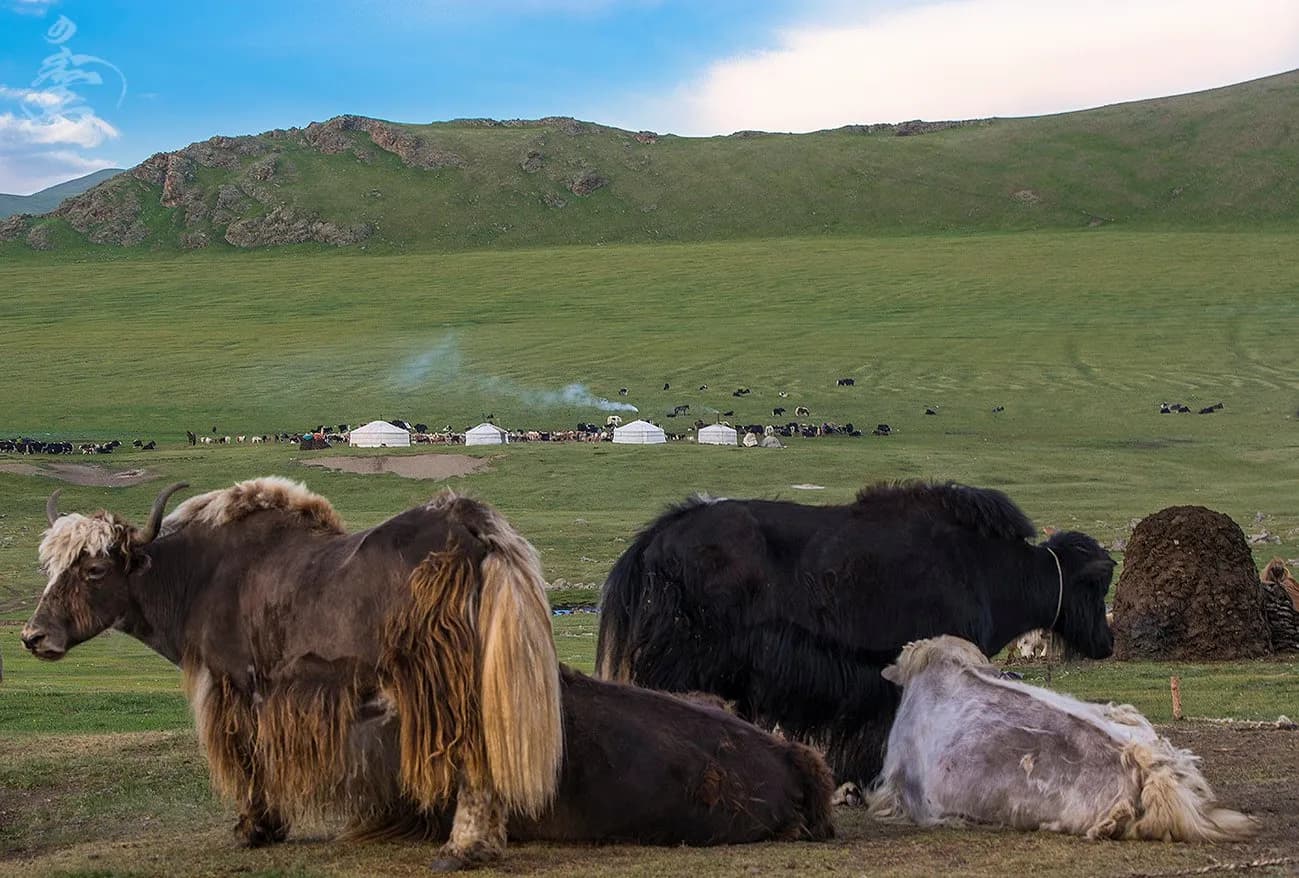
Many Mongolian families continue to raise horses, sheep, goats, cattle and camels according to seasonal conditions.
A visit to a nomadic household introduces travellers to traditional hospitality, food preparation and the relationship between people, livestock and nature.
Stay in a Traditional Mongolian Ger
A ger is a circular portable dwelling used by Mongolian herding families.
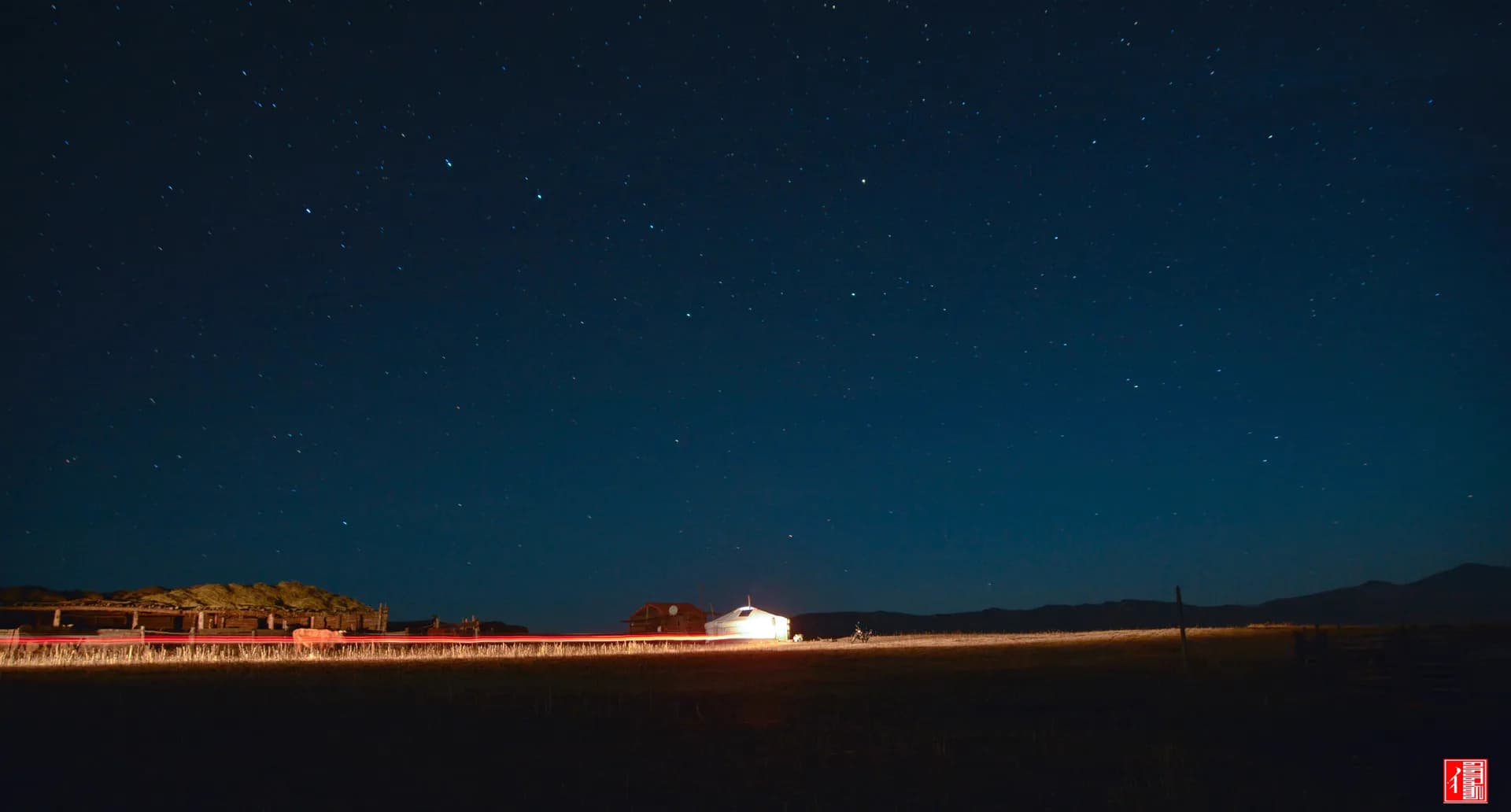
Sleeping in one is a memorable part of travelling through Mongolia.
Tourist ger camps provide varying levels of comfort, while overnight stays with local families are generally simpler.
Discover Mongolia's Horse Culture
Horses have played a central role in Mongolian history and culture for centuries.
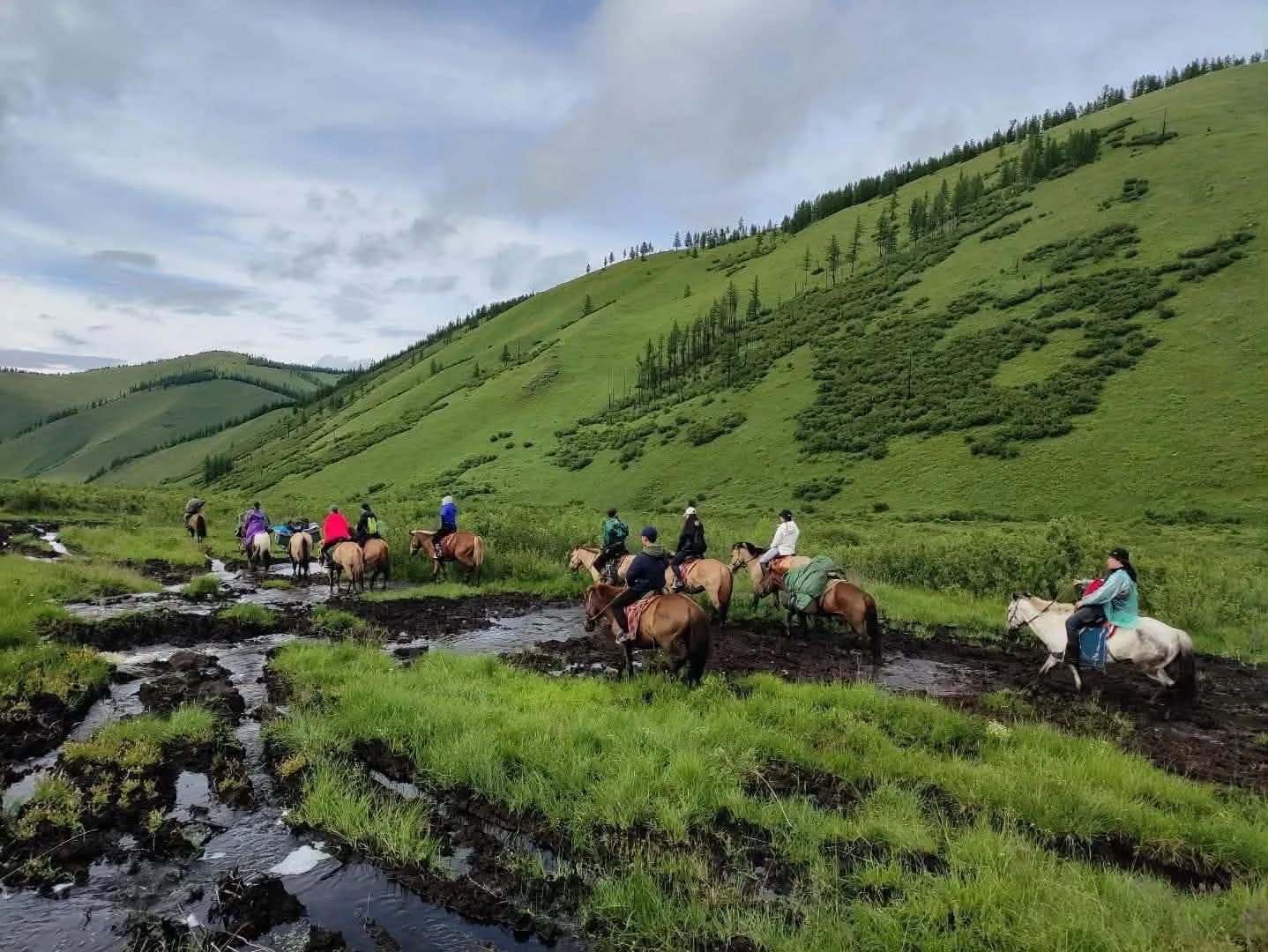
Japanese travellers can experience this heritage through supervised short rides, visits to herding families or more extensive horseback expeditions.
The right activity depends on riding experience, fitness and available time.
4. Best Mongolia Tours for Japanese Travellers
Not every visitor has two weeks to explore Mongolia.
For travellers from Japan, short tours near Ulaanbaatar can offer an excellent introduction, while longer itineraries provide access to the Gobi Desert and remote regions.
Terelj National Park & Chinggis Khaan Statue – 1 Day
Best for: Short holidays and first-time visitors
Explore some of Mongolia's most accessible natural and cultural attractions on a private day tour from Ulaanbaatar.
Visit the impressive Chinggis Khaan Equestrian Statue before continuing to Terelj National Park.
Highlights include Turtle Rock, Aryabal Meditation Temple and the beautiful surrounding countryside.
This journey is suitable for travellers who want to experience Mongolia beyond Ulaanbaatar without committing to a long expedition.
Explore the Terelj National Park & Chinggis Khaan Statue Tour
Mongol Nomadic Show & Hustai National Park – 1 Day
Best for: Nomadic traditions and wildlife
Learn about Mongolia's traditional countryside culture during the Mongol Nomadic Show.
Discover customary herding practices, traditional activities and aspects of everyday rural life.
Continue to Hustai National Park, home to the reintroduced Przewalski's wild horse, known locally as Takhi.
Wildlife sightings depend on natural conditions and cannot be guaranteed.
Explore the Mongol Nomadic Show & Hustai Tour
Central Mongolia Discovery – 8 Days
Best for: History, cultural heritage and countryside scenery
This journey offers an introduction to Central Mongolia's cultural landscapes and important historical sites.
Discover Kharkhorin, associated with the ancient Mongol Empire, and visit Erdene Zuu Monastery.
Enjoy traditional ger accommodation, scenic valleys and opportunities to learn about nomadic traditions.
Explore the Central Mongolia Discovery Tour
Kherkhluur Three Lakes Horseback Expedition – 10 Days
Best for: Experienced outdoor travellers and riding enthusiasts
For Japanese visitors who love horses and wilderness, this expedition offers a remarkable opportunity to experience Mongolia from horseback.
The programme includes four days of riding into the remote Khan Khentii region and wilderness camping.
Travel through forested valleys, rivers and mountain landscapes with local horse guides.
Because this is an active expedition, travellers should discuss their riding experience and physical condition before booking.
Explore the Kherkhluur Three Lakes Horseback Expedition
Golden Eagle Festival Tour – 14 Days
Best for: Cultural photography and traditional heritage
Travel into Western Mongolia to discover the remarkable traditions of Kazakh eagle hunters.
The Golden Eagle Festival offers opportunities to witness traditional competitions, elaborate clothing and the close relationship between hunters and their birds.
This journey is particularly appealing to travellers interested in photography, cultural heritage and Mongolia's remote mountain landscapes.
Explore the Golden Eagle Festival Tour
Browse our complete collection of Mongolia Tours for additional options.
5. Sample 5-Day Mongolia Holiday from Tokyo
For Japanese travellers with limited vacation time, a five-day private journey can provide an enjoyable combination of cultural experiences, nature and relaxation.
This is a suggested itinerary rather than a confirmed fixed departure.
Day 1 – Arrival in Ulaanbaatar
Arrive at Chinggis Khaan International Airport and meet your local driver.
Transfer to your hotel.
Depending on arrival time, enjoy a gentle city introduction or relax after your flight.
Overnight in Ulaanbaatar.
Day 2 – Chinggis Khaan Statue and Terelj National Park
Travel east to the impressive Chinggis Khaan Equestrian Statue.
Continue towards Terelj National Park and explore its valleys, granite rock formations and beautiful natural scenery.
Visit Turtle Rock and Aryabal Meditation Temple if suitable for your interests and fitness.
Overnight in a traditional ger camp.
Day 3 – Nomadic Family Experience
Enjoy a peaceful morning in the countryside.
Visit a local herding family and learn about traditional Mongolian life.
Depending on conditions and your preferences, enjoy a short guided horseback experience or a nature walk.
Return to Ulaanbaatar later in the day.
Day 4 – Mongolian Culture and Wild Horses
Travel towards Hustai National Park.
Experience traditional nomadic culture and visit areas where wild Takhi horses live.
Spend time enjoying the open landscapes before returning to Ulaanbaatar.
Overnight in Ulaanbaatar.
Day 5 – Departure
Private transfer to Chinggis Khaan International Airport for your flight to Japan.
The final itinerary can be adapted to international flight times and the season.
Request a Private 5-Day Mongolia Tour
6. Best Time to Visit Mongolia from Japan
Mongolia experiences four distinct seasons, each offering a different travel experience.
May – Fresh Landscapes and Quieter Travel
May marks the transition towards summer.
The countryside begins to change, although weather can remain cool and unpredictable.
This period can be suitable for travellers who prefer quieter sightseeing.
June – Green Grasslands and Horseback Riding
June is one of the most attractive months for exploring Mongolia's countryside.
The grasslands become greener, nomadic families are active in their summer pastures and many outdoor activities become accessible.
It is an excellent period for scenic photography, family visits and horseback experiences.
July – Naadam Festival
July is one of Mongolia's most celebrated months.
The Naadam Festival features wrestling, horse racing and archery.
Japanese visitors interested in traditional culture will find this an especially rewarding time to travel.
Popular festival dates should be booked early.
August – Summer Holidays and Countryside Travel
August offers excellent opportunities for outdoor activities and longer journeys.
It is an attractive period for exploring Central Mongolia, the Gobi Desert and nomadic family life.
Travellers visiting during Japan's Obon holiday period should plan flights and accommodation well in advance.
September – Autumn Photography
September brings changing colours, cooler temperatures and beautiful light.
It can be an excellent time for photography, nature walks and cultural journeys.
October – Golden Eagle Festival Season
Early October is associated with major eagle-hunting festivals in Western Mongolia.
These experiences are particularly attractive for travellers interested in traditional culture and photography.
Weather can become cold quickly in the Altai Mountains, so appropriate clothing is important.
Winter – Snow and Quiet Landscapes
Winter Mongolia offers a completely different atmosphere.
Snow-covered mountains, frozen landscapes and traditional winter culture create memorable experiences.
Temperatures can be severe, especially in remote regions.
7. Mongolia's Cultural Heritage: What Japanese Visitors Can Discover
The History of Chinggis Khaan
Mongolia's history is closely associated with Chinggis Khaan and the rise of the Mongol Empire.
Travellers can discover this heritage through museums, historical sites and journeys into areas connected with Mongolia's past.
Mongolian Buddhism and Sacred Landscapes
Buddhism has played an important role in Mongolian history.
Gandan Monastery in Ulaanbaatar, Erdene Zuu Monastery near Kharkhorin and other historic sites provide opportunities to learn about religious traditions.
Visitors should respect local customs and photography restrictions in religious places.
Traditional Hospitality
Mongolian hospitality is an important part of countryside life.
Visitors may be offered milk tea, traditional snacks or other refreshments when entering a family ger.
Your guide can explain local etiquette and help ensure that cultural exchanges are respectful and comfortable.
Traditional Food
Mongolian cuisine commonly includes beef, mutton, dairy products, noodles and flour-based dishes.
Visitors can try traditional dishes such as buuz, khuushuur and tsuivan.
If you have dietary restrictions, inform your tour operator in advance.
8. Travelling in Mongolia with a Japanese-Speaking Guide
Many travellers feel more comfortable experiencing an unfamiliar culture with explanations in their own language.
English-speaking guides are available on Journey.mn tours.
Japanese-speaking guiding services may also be requested, depending on the travel dates, destination and guide availability.
If a Japanese-speaking guide is important to you, please mention this when making your enquiry.
We recommend arranging language-specific guiding services well in advance, particularly during the busy summer season.
For photography tours, horseback expeditions and cultural programmes, specialist local guides may also be required.
9. What Should You Know About Ger Accommodation?
Traditional ger accommodation is one of the most distinctive features of visiting Mongolia.
However, accommodation standards vary.
Tourist Ger Camps
Standard ger camps generally provide beds and basic furnishings.
Bathroom and shower facilities may be shared.
Deluxe Ger Camps
Selected camps offer upgraded accommodation, including private bathrooms and additional amenities.
These facilities are not available at every destination.
Nomadic Family Stays
Staying with a family offers a more traditional experience.
Facilities are often basic, and travellers should be prepared for a different level of comfort from a Japanese hotel or ryokan.
Before confirming your tour, review the accommodation descriptions carefully.
10. How Much Does a Mongolia Holiday from Japan Cost?
The total cost depends on international flights, tour duration, accommodation, destinations and group size.
Flights from Japan
Direct flights between Tokyo and Ulaanbaatar can make travel relatively convenient.
However, fares vary by season, booking date and airline availability.
Short Private Tours
A private day tour or short itinerary near Ulaanbaatar can be suitable for travellers with limited holiday time.
Longer Countryside Tours
Multi-day journeys require transportation, accommodation, guiding services and additional logistical arrangements.
Travellers choosing remote destinations should expect costs to reflect the distances involved.
Small-Group Tours
Joining a scheduled group departure can reduce per-person costs and provide opportunities to travel with others.
Tour prices on Journey.mn are generally displayed in US dollars.
Japanese travellers should consider exchange rates when comparing prices in Japanese yen.
View Mongolia Tours and Prices
11. Practical Travel Information for Japanese Visitors
Currency
Mongolia uses the Mongolian Tögrög (MNT).
Bank cards are commonly accepted at many businesses in Ulaanbaatar, while cash is useful for rural travel.
Time Difference
Ulaanbaatar uses UTC+8.
Japan uses UTC+9, so Japan is one hour ahead of Ulaanbaatar.
The small time difference makes Mongolia convenient for visitors who want to avoid significant jet lag.
Mobile Internet
Mobile coverage is available in Ulaanbaatar and many provincial towns.
However, remote countryside areas may have limited reception.
Weather and Clothing
Even during summer, temperatures may drop in the evening.
Bring layers, a windproof jacket, comfortable walking shoes and sun protection.
Winter travel requires specialist cold-weather clothing.
Safety and Travel Insurance
Comprehensive travel insurance is recommended, particularly for horseback riding, trekking and countryside adventures.
Confirm that your policy covers your planned activities and emergency evacuation if travelling to remote regions.
Cultural Etiquette
Always ask permission before photographing people, particularly when visiting families.
Follow your local guide's advice regarding traditional customs, religious places and respectful behaviour.
12. Frequently Asked Questions
Are There Direct Flights from Japan to Mongolia?
Yes. Direct flights operate between Tokyo Narita and Ulaanbaatar. Flight schedules for 2027 and 2028 should be confirmed before booking.
Do Japanese Citizens Need a Visa for Mongolia?
Japanese citizens currently benefit from visa-free entry for stays of up to 30 days, subject to the applicable entry requirements.
Is Five Days Enough to Visit Mongolia?
Yes. Five days can provide an enjoyable introduction to Ulaanbaatar, Terelj National Park, traditional nomadic culture and nearby countryside attractions.
Is Mongolia Suitable for Japanese Families?
Yes. Families can enjoy nature walks, cultural visits, traditional ger accommodation and age-appropriate outdoor activities.
Can I Arrange a Japanese-Speaking Guide?
Japanese-speaking guiding services may be arranged on request, subject to availability. Advance enquiry is recommended.
Can Beginners Try Horseback Riding?
Short guided horseback experiences may be suitable for beginners when appropriate horses, supervision and conditions are available.
Multi-day expeditions require a more careful assessment of riding experience.
What Is the Best Month for a First Mongolia Visit?
June, July and August are excellent for summer countryside travel. September is attractive for photography, while early October is associated with major eagle-hunting festivals.
Can I Visit Mongolia During Golden Week?
Yes, but early May can still be cold and weather conditions may be unpredictable. A short cultural itinerary near Ulaanbaatar may be more practical than an extensive remote journey.
Can I Visit Mongolia During Obon?
Yes. August is part of Mongolia's main summer travel season. Flights, accommodation and popular tours should be arranged well in advance.
13. Plan Your Mongolia Journey from Japan
Just a short flight from Japan, a completely different world awaits.
Whether you dream of riding across green grasslands, experiencing traditional nomadic culture, exploring the Gobi Desert or photographing Kazakh eagle hunters, Mongolia offers extraordinary journeys for curious travellers.
At Nomadic of the Blue Sky, we have been organising Mongolia tours since 2010.
Our local team can arrange airport transfers, private transportation, carefully selected accommodation, experienced guides and personalised itineraries throughout Mongolia.
We welcome enquiries from individual travellers, couples, families, photographers and Japanese travel agencies seeking a reliable local partner.
Tell us:
Your preferred travel dates in 2027 or 2028
Your departure city in Japan
The number of travellers
Your preferred tour duration
Whether you require a Japanese-speaking guide
Your interests and approximate budget
We will help you select a suitable tour or prepare a private journey designed around your interests.
Discover Mongolia Horseback Riding Tours
Explore Mongolia Golden Eagle Festival Tours
Contact Our Mongolia Travel Team
Email: info@journey.mn
Nomadic of the Blue Sky — Mongolia Travel Specialists Since 2010
Flight schedules, visa requirements, tour prices and seasonal arrangements may change. Always verify current information before making final travel bookings.